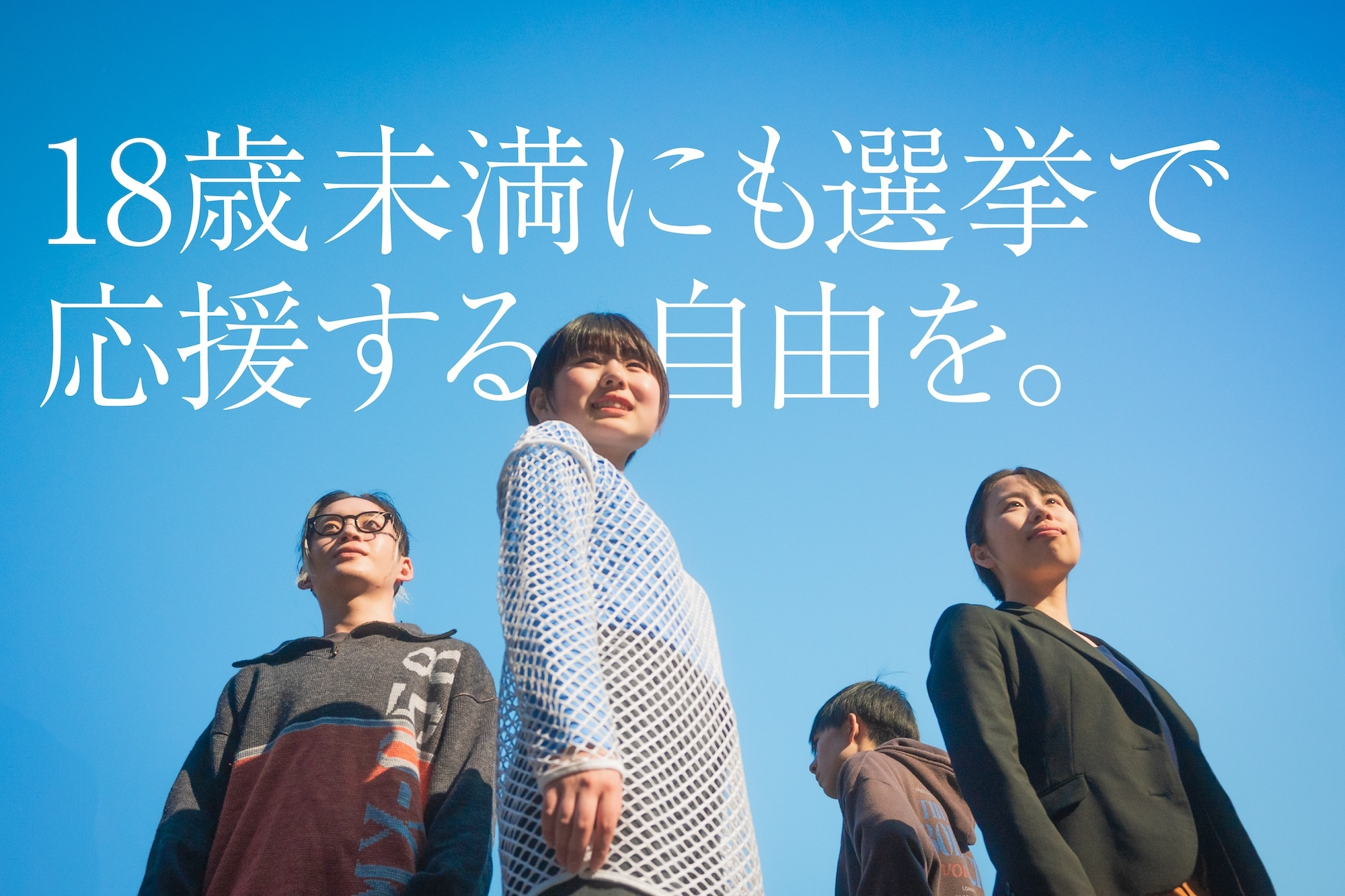
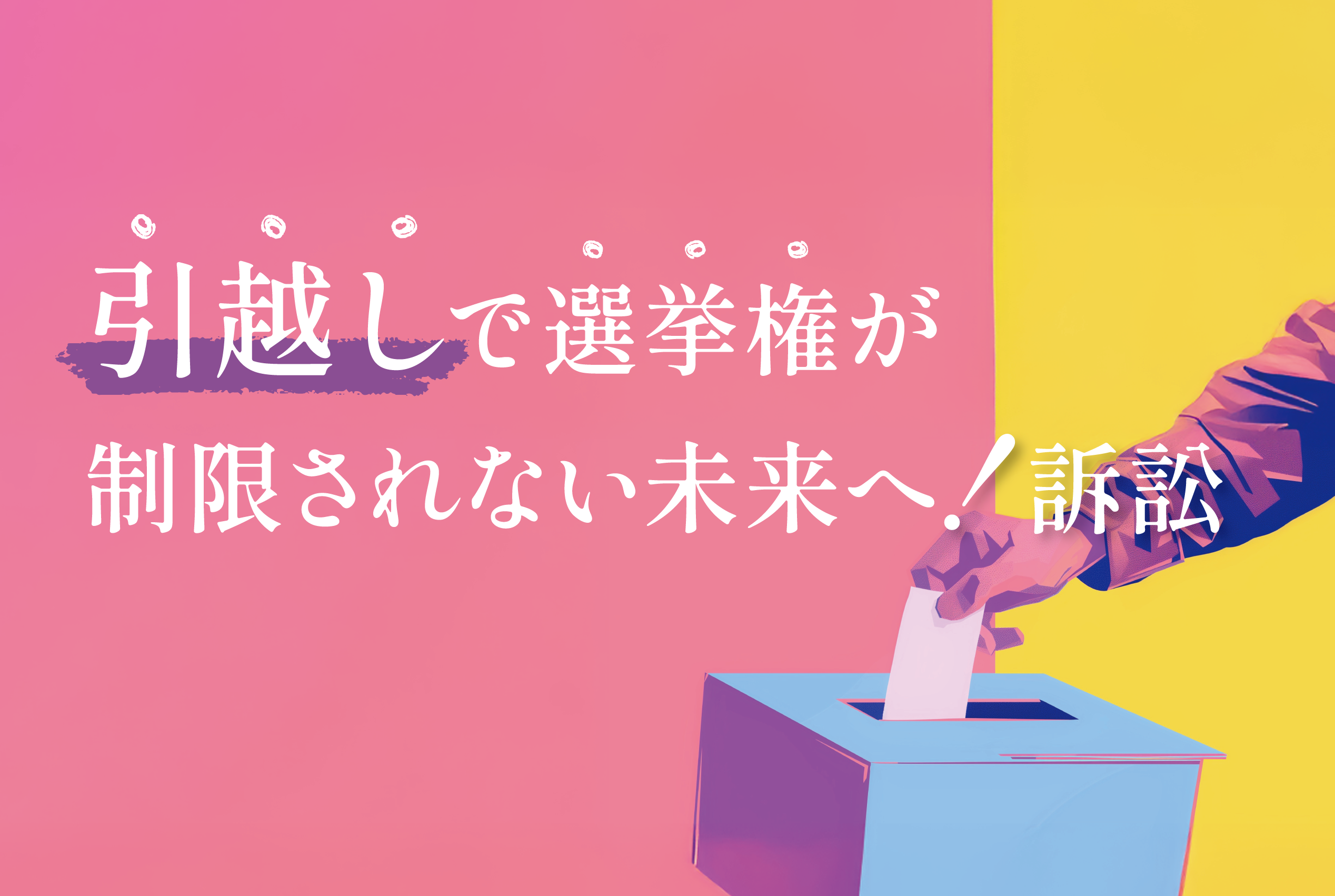
「18歳未満にも選挙で応援する自由を」訴訟 Lawsuit for Under-18s’ Freedom to Engage in Election Campaigning
#政治参加・表現の自由
#Democracy/Freedom of Expression
現在の寄付総額 Current Total Raised
228,000円 ¥ 228,000
目標金額 Target amount
1,000,000円 ¥ 1,000,000
サポーター Supporter
46 人 46 supporters
 寄付する
Donate Now


選挙期間中に、特定の候補者の当選を目的として行う活動を「選挙運動」といいます。現在の公職選挙法は、未成年者によるこの選挙運動を全面禁止しています。もし未成年者が選挙運動をした場合には、刑罰が科されてしまうのです。
本訴訟は、高校生4名が原告として立ち上がり、現在のルールは自発的に選挙で応援したいと願う18歳未満のユースの“政治的表現の自由”を侵害するものだとして、その撤廃を求めるものです。
“Election campaigning” refers to activities carried out during an election period with the aim of ensuring the victory of a particular candidate. Under the current Public Offices Election Act, minors are prohibited from engaging in election campaigning, and violations result in penalties. In this lawsuit, four high school students have come forward as plaintiffs seeking to abolish this prohibition. They argue that the current rule infringes on the freedom of political expression for young people under 18 who wish to voluntarily support candidates in elections.
はじめに
「選挙運動」とは、選挙期間中に特定の候補者の当選を目的として行われる活動を指します。現在の公職選挙法は、さまざまな政治活動の中でも「選挙運動」を特別に切り出して厳しい規制を設けています。特に、未成年者による「選挙運動」は一切認められていません。
それだけではなく、未成年者が選挙運動を行った場合には、未成年者にもその使用者にも、刑罰という極めて重いペナルティが科されます。そのため、18歳未満の人が応援したい候補者を見つけても、選挙運動への参加を申し出た際に運営側から断られたり、自主的に選挙運動を控えたりするのが現状です。何が「選挙運動」に該当するかの線引きが必ずしも明確ではないことは、この傾向をさらに強めています。
「選挙権がないのだから、選挙運動もできないのでは」と思われる方もいるかもしれません。けれども、選挙運動は、選挙権を持たない未成年者にとって、自らの政治的な意見を発信して、それを通じて主体的に政治参加をするための重要な手段です。18歳未満であるという理由だけで、合理的な根拠もなく、自発的な選挙運動が禁止されることは、本来許されないはずです。
この訴訟は、公職選挙法による時代錯誤な規制の違憲性を明らかにすることで、18歳未満の人たちが選挙で応援する自由を取り戻すことを目的としています。

18歳未満の選挙運動はなぜ禁止?
選挙運動とは?
選挙の公示日に立候補届が受理されてから投票前日の23時59分までの期間に行う、候補者の当選を目的とする活動のことです。
具体的には、街頭でのビラ配りや電話かけなどいわゆる「選挙運動」としてわかりやすく認識されているものだけでなく、SNSで特定の候補者を応援する書き込みをしたり、投稿のシェアをしたりすることなども選挙運動に含まれます。


なぜ禁止?
立法目的は、①未成年者を大量動員して選挙運動に利用する使用者の取り締まりの実効性の確保、または、②「心身未成熟な者の保護」にあるとされています。しかし、未成年者の自発的な選挙運動を禁じることに、政治的表現の自由という重要な権利を犠牲にするだけの利益があるとはいえません。
また、これらの目的を達成するためには、事情を知らない未成年者を悪用した立候補者らを摘発すれば足りるはずです。未成年者の選挙運動を一律に禁止する必要性や合理性はありません。
どのような罰則?
未成年者が禁止されている選挙運動を行った場合、未成年者自身、1年以下の禁錮または30万円以下の罰金が課されます。さらには、最大5年間の選挙権および被選挙権の停止という重い制裁までが定められています。未成年者を使用した者も同じ刑罰が科されます。
なぜ罰則規定?
立法当時の議論を見ると、政府が当初提出した改正案には、禁止規定や罰則は含まれておらず、政府委員も「未成年者が自発的にやる場合については、この法律で制限する範囲ではない」と明言していました。
しかし、議員の中から未成年者を使用した者だけではなく、選挙運動を実際に行った未成年者を「取締ることが可能であるというだけでも相当の効果がある」という意見が出され、それによって、「理論的には変」だという認識が共有されつつも、未成年者が自発的に行う選挙運動についても罰則つきで禁止されることになりました。
原告について
※年齢は2025年2月提訴当時
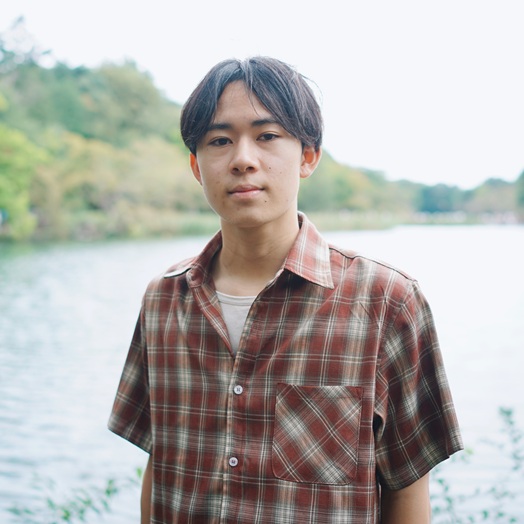
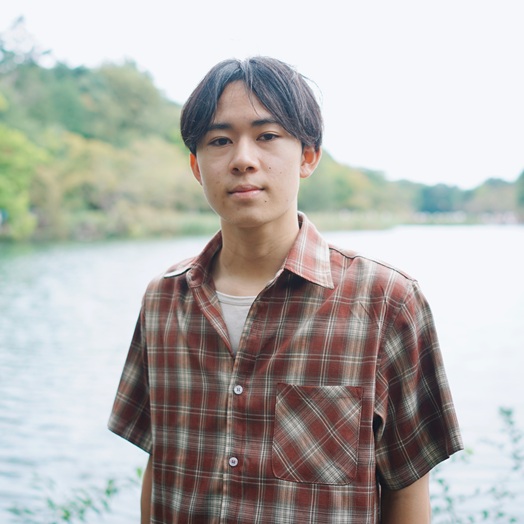
原告 竹島一心さん(17歳)
関西在住。ラッパー。中学時代、「ツーブロックの禁止」など理不尽な校則の見直しに取り組み、居住地の青少年事業「Up to You!」で中高生300人を対象に校則に関する調査を実施。これにより、校則見直しに向けた市のガイドライン策定を実現。昨年の選挙ではある候補者の応援を試みたが、未成年の選挙運動禁止規定により断念。その悔しさを込めて制作した曲「tohyoken」を公開。
[メディア掲載] 朝日新聞2026年6月23日「(Re:Ronピックアップ)未成年にも選挙応援の自由あれば ラッパー・竹島一心さんが語る」

原告 宮田香乃さん(18歳)
愛知県在住。2023年の統一地方選挙で知人が長久手市議会選に立候補し、手伝いを試みた際に行動を制限され、未成年が選挙運動に関われないことを初めて知る。2024年の東京都知事選でボランティアに加わろうとした際、未成年であることを理由に再び断られる。未成年の選挙活動の禁止によって若者から選挙や政治が遠ざけられているという現状を変えたいと考え原告となることを決意。
[メディア掲載] 日テレNEWS2024年8月3日「立候補に”年齢の壁”若い世代も政治参加を・・・立ち上がった高校生を取材」

原告 角谷樹環さん(18歳)
北海道在住。グレタ・トゥーンべリのスピーチを聞き「今すぐに動かなければならない」と考え、気候変動問題に取り組むことを決意。中学3年時にFridays For Future Japanに参加。石炭火力発電事業に対する反対運動やG7環境大臣会合でのハンガーストライキなどに尽力する。未成年者が「主体的に政治に関わる存在」として認められず、制裁により権利が奪われている現状に強い問題意識を持つ。
[メディア掲載] 東京新聞2024年5月31日「『高校生に受け答えできるの?』と議員が心配 17歳の国会発言は幻に終わった『大人側の認識不足』影響か」

原告 福島宏太さん(16歳)
東京都在住。中学2年時、地元の区長選で子ども支援を訴える候補者に共感し、手伝いを申し出るも、未成年であることを理由に断られる。翌年、選挙期間外に立候補予定者の活動を手伝った際も、周囲に「逮捕されるよ」と忠告を受けたため、活動を断念。学校で主権者教育に関するイベントや勉強会などを企画する団体を運営。年齢を理由に、声を上げることも許されない社会を変えたいという強いで思いで、訴訟に参加。
[メディア掲載] 東京新聞2026年9月22日「18歳未満が選挙運動するのは『犯罪』…はどうなのか 司法に是非を問うた若者たちの考え 25日判決
本訴訟の争点
私たちは、
①未成年者の選挙運動を全面禁止すること(公職選挙法137条の2第1項)
②未成年者を選挙運動に使用することを禁止すること(同法137条の2第2項)
③これらに違反した場合に刑事罰が課され(同法239条1項1号)、公民権が停止されること(同法252条)
が違憲違法であると考え、国に対して、未成年者自身が刑罰を科されることなく選挙運動できる地位にあることの確認や、国家賠償請求などを求めています。
上記①-③の決まりが、違憲・違法と考える根拠は以下のとおりです。
1. 政治的表現の自由(憲法21条1項)を侵害し違憲無効
憲法21条1項が保障する表現の自由は、個人の人格的形成にとって重要な権利であるとともに、特に国民が政治に参加するために不可欠な権利です。今回問題となっている「選挙運動の自由」は、政治的な表現の自由の一つであり、民主主義社会の基礎となる重要な基本的人権です。
現在の公職選挙法は、未成年者による選挙運動を刑事罰により全面禁止し、未成年者の「選挙運動の自由」という極めて重要な権利を奪っています。
2. 侵害原理及び罪刑の均衡(憲法31条)に違反し違憲無効
法律は、その法律が保護するべき人を、同時に刑罰の対象とすることはできません。それは「他人を害さない限り罰されない」という原則(侵害原理)があるからです。未成年者の保護を目的としながら、選挙運動をした未成年者に罰則を与える決まりは、この侵害原理に反しています。
例えば未成年の飲酒防止に関する法律は、監督者やお酒の販売者に罰則はあっても、保護対象である未成年に罰則はありません。保護対象とする未成年者の行為までを罰する法令は、公職選挙法以外に見当たりません。
さらに、未成年者に対して「1年以下の禁錮」「30万円以下の罰金」「5年間の公民権停止」といった重い罰を科すことや、選挙という国民主権の大切な場面で、刑罰によって未成年者の表現を全面的に禁止することは行き過ぎた規制だと言えます。
これは、憲法31条が定める、罪とそれに対する罰則はバランスが取れていなければならない、という罪刑均衡の原則に反しています。
社会的意義
政治的表現の自由は憲法上の権利であり、未成年者にも当然に保障されるものです。
社会のあるべき姿について考え、そのために必要で有益だと思うことを自由に発信し、考え方に共感できる候補者の活動を応援する。そのような活動を通して多種多様な意見に触れ、議論を重ねる経験が個人の人格形成に有益であることは誰にも否定できません。
また、選挙運動への参加は、民主主義の仕組みを理解し、市民としての責任や権利について学ぶための最善の手段です。選挙期間中に候補者と直接関わり、有権者と対話を重ねることで得られる政治感覚は他で代替することができません。
しかし、公職選挙法は、刑罰による威嚇をもって未成年者の選挙運動を全面的に禁止し、このような経験を得る機会を奪い続けてきました。選挙運動に関わることで個人が得られるメリットを考えると、現在の規制が社会にもたらしてきた負の影響は計り知れません。
未成年者が選挙運動の自由を取り戻すことは、すべての世代が主体的に政治参加する社会の実現に向けた大きな一歩となると考えます。

原告からのメッセージ
「未成年者もこの社会の一員です。考えることができる人間です」
竹島一心さん
私は中学生の頃から、ユースカウンシルでの活動を行い、公立中学の校則の見直しを実現したり、未成年者を対象とした、選挙模擬投票のイベントに参加したりしてきました。このような経験から、政治は自分の生活に深く関わるものだという認識があります。そんな私にとって、高校2年の秋に行われた居住地での選挙はとってももどかしいものでした。とある候補者に対し、応援したいという思いから、SNSで発信を行おうと試みると、私が未成年者であることから、周りの大人に止められました。未成年者である自分はこの街を作る人間の一員ではないのか?投票もできなければ、公に応援することもできない、私たちの生活に関わる選挙に対して、心のなかで願うことしかできない現状がすごくくやしいです。未成年者もこの社会の一員です。考えることができる人間です。選挙期間中に声を上げる権利はあるべきなのではないでしょうか。
「応援の思いは、18歳未満だからという理由で届きませんでした」
宮田香乃さん
政治はわたしたちの代表がわたしたちの生きる社会のことを決めるものだけれど、今、政治は多くの人にとって「よくわからない」「関係ない」ものになっていると思います。私は17歳の頃、SOGIや教育という身近なトピックから、自分と政治の関わりを知り始めました。そして、勇気を出して持った「応援したい」という思いは、18歳未満だからという理由で届きませんでした。18歳から投票ができるけれど、その直前まで選挙で応援することが禁止されていること、そのことが明確には知られておらずなんとなく選挙や政治全体が遠ざけられること。それは、18歳になってからも選挙や政治に関心を持てない原因になっていると感じます。誰も自分の声が届かないと諦めなくていい社会に生きたいという思いを持ち、原告として問題提起します。
「選挙権を持たない将来世代の声も尊重する社会で私は生きたい」
角谷樹環さん
私は15歳で気候危機の深刻性を知って以来、気候危機への対策を求める活動を続けています。そんな私にとって選挙は、身近でありながら遠い存在でした。選挙の際は討論会を開き、候補者にインタビューするなどの活動をしています。だからこそ、ここ数年、選挙結果に無関心でいたことはありません。気候危機が争点にならない選挙の際は心底落胆しました。しかし、それでいて選挙がどこか馴染みのない存在だった理由は、私に選挙権は勿論、選挙運動の権利すらなかったためです。どんなに気候政策を掲げる人が現れても応援できない。未来がかかっていても声を出せない。そんな中で、選挙や政治を日常のものとして捉えるのは困難であり、現行制度はあまりに理不尽です。選挙権を持たない将来世代の声も尊重する社会で私は生きたい。その思いから今回原告となりました。
「年齢関係なく、実現したい社会に向けて運動できる社会に」
福島宏太さん
中学生の時に、自分が住む街の選挙である政治家の方の応援活動をしようとしたら、違法行為だと注意を受けた。自分が住む街の代表を決める選挙に関われないことがすごく悔しかった。無理やり関われば「逮捕」されるというのがすごく怖かった。自分の生活に関わることなのに、蚊帳の外に置かれてしまうことに強い無力感を感じた。調べてみると、公職選挙法という法律で18歳未満の選挙運動は禁止されているようだ。大人に利用されるのを防ぐことが理由だそうだ。しかし、僕は自分の意思で本気で応援したいと思っていた。18歳未満は興味を持っても運動するのは禁止、でも18歳になったら急に選挙には行ってください。というのはおかしな話ではないだろうか。子どもが大人に利用されてはいけない。その通りだ。けれどそれは、その大人に罰則を課せば良いだけの話だ。18歳未満の行動を制限して罰則まで課す理由には全くなっていない。年齢関係なく、応援したい政治家を応援し、実現したい社会に向けて運動できる社会になることを強く願う。
資金の使途
訴訟活動全般に利用します。訴訟の手数料やコピー代などの実費、憲法学者など専門家の意見書依頼費用、原告らの交通費が中心です。
- 訴訟費用:印紙代・コピー代などの実費費用です
- 学者に依頼する意見書費用:専門家に意見書を執筆していただくことを予定しています
- 原告らの交通費:原告らが裁判のために東京に来るための交通費です
- その他リサーチ費用(海外法制の調査)、イベント・広報費用に寄付金を用いる予定です
担当弁護士のメッセージ
選挙秩序を守ることはもちろん重要ですが、未成年者が本来享受すべき自由を犠牲にしてまで維持することは本末転倒と言わざるを得ません。この訴訟や、訴訟を起点として展開されるキャンペーンなどを通じて、未成年者の選挙運動の自由が回復されるよう尽力して参ります。
ぜひ多くの方にこの問題を知っていただき、共に考え、変えていく力を貸していただければと思います。皆さんの声が、この不合理な現状を変える大きな力となると信じています。
弁護団の紹介

弁護士 太田 こもも(ひふみ総合法律事務所)
弁護士 多田 晋作(山越総合法律事務所)
弁護士 戸田 善恭(法律事務所LEDGE)
弁護士 井桁 大介(宮村・井桁法律事務所・一般社団法人LEDGE事務局長)
弁護士 谷口 太規(ポラーノ法律事務所・一般社団法人LEDGE理事)
弁護士 亀石 倫子(法律事務所エクラうめだ・一般社団法人LEDGE代表理事)
LEDGEについて
本訴訟は、LEDGEの支援事件として提訴しています。
LEDGE(レッジ)とは? 公共訴訟を中心としたソーシャルチェンジを促進するための専門家集団です。公共訴訟に必要なリソースを社会から集めて、より充実した効果的な公共訴訟を遂行するための様々なサポートをします。また公共訴訟が取り扱うイシューについての認知を上げ、世論を喚起し、行政・政治を動かしていくためのキャンペーンも展開していきます。日本初のフルタイムで公共訴訟に専従する弁護士を擁する法律事務所LEDGEと連携し、その活動を支えています。詳細については下記リンクをご確認ください。
「18歳未満にも選挙で応援する自由を。」特設サイト:https://senkyo-ouen.jp/
Introduction
"Election campaigning" refers to activities conducted during an election period with the aim of securing the election of a particular candidate. The current Public Offices Election Act specifically separates "election campaigning" from various other political activities and imposes strict regulations on it. In particular, "election campaigning" by minors is not permitted at all.
Furthermore, if a minor engages in election campaigning, both the minor and their employer face extremely severe penalties, including criminal charges. As a result, even if someone under 18 finds a candidate they want to support, they are often refused by the organizers when they apply to participate in the campaign, or they voluntarily refrain from campaigning. The lack of a clear line defining what constitutes "election campaigning" further exacerbates this trend.
Some might think, "Since they don't have the right to vote, they can't campaign either." However, for minors who don't have the right to vote, campaigning is an important means of expressing their political opinions and actively participating in politics. It should not be permissible to prohibit voluntary campaigning simply because someone is under 18, without any rational basis.
This lawsuit aims to reclaim the freedom for people under 18 to vote by exposing the unconstitutionality of outdated regulations under the Public Offices Election Act.
Why is election campaigning prohibited for those under 18?
What is an election campaign?
This refers to activities conducted from the day an election is officially announced, when a candidate's application is accepted, until 11:59 PM the day before the election, with the aim of securing the candidate's victory.
Specifically, election campaigning includes not only activities that are easily recognized as "election campaigning," such as distributing leaflets on the street or making phone calls, but also posting messages of support for a particular candidate on social media or sharing posts.
Why is it prohibited?
The stated legislative purpose is either (1) to ensure the effectiveness of cracking down on employers who mobilize large numbers of minors for election campaigns, or (2) to "protect those who are mentally and physically immature." However, it cannot be said that there is enough benefit in prohibiting voluntary election campaigns by minors to justify sacrificing the important right of freedom of political expression.
Furthermore, to achieve these objectives, it should suffice to apprehend candidates who exploit unsuspecting minors. There is no necessity or rationale for a blanket ban on election campaigning by minors.
What kind of penalties are there?
If a minor engages in prohibited election campaigning, the minor themselves may face imprisonment of up to one year or a fine of up to 300,000 yen. Furthermore, they may face severe penalties, including the suspension of their voting and candidacy rights for up to five years. Those who employ minors will also be subject to the same penalties.
Why are there penalty provisions?
Looking at the discussions at the time of legislation, the amendment bill initially submitted by the government did not include any prohibitions or penalties, and government officials explicitly stated that "this law does not restrict acts committed voluntarily by minors."
However, some lawmakers argued that "simply being able to crack down not only on those who used minors, but also on minors who actually engaged in election campaigning would have a considerable effect." As a result, although there was a shared understanding that it was "theoretically flawed," election campaigning carried out spontaneously by minors was also prohibited with penalties.
Regarding the plaintiff
*Age is as of February 2025, when the lawsuit was filed.
Plaintiff: Isshin Takeshima (17 years old)
A rapper living in the Kansai region. During his junior high school years, he worked to revise unreasonable school rules, such as the ban on the "two-block haircut," and conducted a survey on school rules targeting 300 junior and senior high school students through the local youth program "Up to You!". This led to the city's development of guidelines for revising school rules. In last year's election, he tried to support a certain candidate, but had to give up due to the rule prohibiting election campaigning by minors. He released the song "tohyoken," which he created to express his frustration at that experience.
[Media Coverage] Asahi Shimbun, June 23, 2026: “(Re Pick-Up) What if minors were free to support election campaigns? Rapper Isshin Takeshima shares his thoughts”
Plaintiff: Kano Miyata (18 years old)
A resident of Aichi Prefecture. In the 2023 unified local elections, an acquaintance ran for the Nagakute City Council, and when she tried to help, her actions were restricted, and she learned for the first time that minors are not allowed to participate in election campaigns. When she tried to volunteer for the 2024 Tokyo gubernatorial election, she was again refused because she was a minor. Wanting to change the current situation where the prohibition of minors from election activities is keeping young people away from elections and politics, she decided to become a plaintiff.
[Media Coverage] Nippon Television News, August 3, 2024: "The 'age barrier' to running for office: Younger generations should also participate in politics... Interview with high school students who have taken action."
Plaintiff: Kiwa Kakutani (18 years old)
Residing in Hokkaido. After hearing Greta Thunberg's speech, she decided to tackle climate change, believing that "we must act now." She joined Fridays For Future Japan in her third year of junior high school. She has dedicated herself to protests against coal-fired power plants and hunger strikes at the G7 Environment Ministers' Meeting. She has a strong sense of concern about the current situation where minors are not recognized as "active participants in politics" and are deprived of their rights through sanctions.
Plaintiff: Kota Fukushima (16 years old)
Lives in Tokyo. In their second year of junior high school, they offered to help a candidate in a local ward mayoral election whose commitment to supporting children resonated with them, but were turned away because they were a minor. The following year, they helped a prospective candidate with activities outside the official election campaign period, but gave up after people around them warned, “You could be arrested.” They run a group that organizes events and study sessions at school focused on civic education and democratic participation. They joined the lawsuit out of a strong desire to change a society where young people are denied even the right to make their voices heard because of their age.
Issues in this lawsuit
we,
① Complete prohibition of election campaigning by minors (Article 137-2, Paragraph 1 of the Public Offices Election Act)
② Prohibiting the use of minors in election campaigns (Article 137-2, Paragraph 2 of the same law)
③ Violations of these provisions may result in criminal penalties (Article 239, Paragraph 1, Item 1 of the same law) and suspension of civil rights (Article 252 of the same law).
They believe the practice is unconstitutional and illegal, and are seeking confirmation from the government that minors are entitled to campaign for elections without facing criminal penalties, as well as claims for state compensation.
The grounds for considering the rules ①-③ above to be unconstitutional or illegal are as follows:
1. It infringes upon freedom of political expression (Article 21, Paragraph 1 of the Constitution) and is therefore unconstitutional and invalid.
The freedom of expression guaranteed by Article 21, Paragraph 1 of the Constitution is an important right for the formation of an individual's personality, and is especially indispensable for citizens to participate in politics. The "freedom of election campaigning" at issue in this case is one of the freedoms of political expression and is an important fundamental human right that forms the basis of a democratic society.
The current Public Offices Election Act completely prohibits election campaigning by minors through criminal penalties, depriving minors of the extremely important right of "freedom to campaign in elections."
2. It violates the principle of infringement and the balance of punishment (Article 31 of the Constitution) and is therefore unconstitutional and invalid.
A law cannot simultaneously make the person it protects subject to criminal penalties. This is because of the principle that "no one is punished unless they harm others" (the principle of harm). A rule that punishes minors who engage in election campaigning, while simultaneously aiming to protect minors, violates this principle of harm.
For example, while laws preventing underage drinking impose penalties on supervisors and alcohol sellers, they do not impose penalties on the minors themselves who are supposed to be protected. Aside from the Public Offices Election Act, there are no other laws that punish the actions of minors who are supposed to be protected.
Furthermore, imposing severe penalties on minors, such as "imprisonment for up to one year," "a fine of up to 300,000 yen," or "suspension of civil rights for five years," and completely prohibiting minors from expressing themselves through criminal penalties during elections, a crucial moment for national sovereignty, can be considered excessive regulation.
This violates the principle of proportionality of crime and punishment, which is stipulated in Article 31 of the Constitution, stating that crimes and their punishments must be balanced.
social significance
Freedom of political expression is a constitutional right and is naturally guaranteed to minors as well.
We encourage reflection on what society should be like, freely expressing what we believe is necessary and beneficial to achieve that, and supporting the activities of candidates whose ideas we sympathize with. No one can deny that the experience of being exposed to diverse opinions and engaging in discussions through such activities is beneficial to the development of one's character.
Furthermore, participating in an election campaign is the best way to understand how democracy works and to learn about civic responsibilities and rights. The political awareness gained by directly interacting with candidates and engaging in dialogue with voters during an election period is irreplaceable.
However, the Public Offices Election Act completely prohibits election campaigning by minors through the threat of criminal penalties, and has continued to deprive them of the opportunity to gain such experience. Considering the benefits that individuals can gain from participating in election campaigns, the negative impact that current regulations have had on society is immeasurable.
I believe that restoring the freedom of minors to campaign for elections is a significant step towards realizing a society where all generations actively participate in politics.
Message from the plaintiff
"Minors are also members of this society. They are human beings capable of thinking."
Isshin Takeshima
Since junior high school, I have been involved in youth council activities, such as achieving revisions to school rules in public junior high schools and participating in mock election voting events for minors. From these experiences, I have come to understand that politics is deeply connected to my own life. For me, the election held in my hometown in the fall of my second year of high school was incredibly frustrating. When I tried to post on social media to support a particular candidate, I was stopped by the adults around me because I was a minor. Am I not a part of the people who make up this town, even though I am a minor? It is incredibly frustrating that I cannot vote, nor can I publicly support anyone, and that all I can do is wish in my heart for the election that affects our lives. Minors are also members of this society. They are human beings who can think. Shouldn't they have the right to speak out during election periods?
"My feelings of support didn't reach them because I'm under 18."
Kano Miyata
Politics is about our representatives deciding the future of the society we live in, but I think that for many people today, politics has become something they "don't understand" or "don't concern them." When I was 17, I began to learn about my connection to politics through familiar topics like SOGI and education. And the desire to "support" that I mustered up the courage to express was not heard because I was under 18. Although you can vote from the age of 18, you are prohibited from supporting candidates in elections until just before that, and this fact is not clearly known, so elections and politics as a whole are somehow kept at a distance. I feel that this is a reason why people are unable to take an interest in elections and politics even after turning 18. I want to live in a society where no one has to give up on having their voice heard, and that is why I am raising this issue as a plaintiff.
"I want to live in a society that respects the voices of future generations who do not have the right to vote."
Kiwa Kakutani
Since learning about the severity of the climate crisis at the age of 15, I have been activism to advocate for measures to address it. For me, elections have always felt both close and distant. During elections, I organize debates and interview candidates. That's why, in recent years, I have never been indifferent to election results. I was deeply disappointed when the climate crisis was not a major issue in elections. However, the reason why elections felt so unfamiliar to me was that I didn't have the right to vote, or even the right to campaign. No matter how much someone advocated for climate policies, I couldn't support them. Even when the future was at stake, I couldn't speak up. In such circumstances, it was difficult to perceive elections and politics as part of everyday life, and the current system is utterly unreasonable. I want to live in a society that respects the voices of future generations who do not have the right to vote. It is with this in mind that I have become a plaintiff in this lawsuit.
"A society where people of all ages can work towards the society they want to create."
Kota Fukushima
When I was in junior high school, I tried to support a politician in an election in my town, but I was warned that it was illegal. I was very frustrated that I couldn't be involved in the election to decide the representative of my town. I was terrified that I would be arrested if I forced my way in. I felt a strong sense of powerlessness at being left out of something that affected my own life. After researching, I found that the Public Offices Election Act prohibits election campaigning by those under 18. The reason given is to prevent them from being exploited by adults. However, I genuinely wanted to support the candidate of my own free will. Isn't it strange that those under 18 are prohibited from campaigning even if they are interested, but then suddenly told to go to the polls once they turn 18? Children should not be exploited by adults. That's true. But that's something that can be solved by simply imposing penalties on the adults who are being exploited. There is absolutely no reason to restrict the actions of those under 18 and impose penalties on them. I strongly hope for a society where people of all ages can support the politicians they support and campaign for the society they want to realize.
Use of funds
This will be used for all aspects of litigation activities. It will primarily cover actual expenses such as court fees and photocopying costs, fees for obtaining expert opinions from constitutional scholars and other specialists, and travel expenses for the plaintiffs.
- Court costs: These are actual expenses such as stamp duty and photocopying fees.
- Cost of requesting expert opinions: We plan to have experts write expert opinions.
- Plaintiffs' transportation expenses: These are the transportation expenses for the plaintiffs to come to Tokyo for the trial.
- We plan to use the donations for other research expenses (research on foreign legal systems), and event and publicity costs.
Message from the assigned attorney
While maintaining election order is certainly important, it is absurd to do so at the expense of the freedoms that minors are rightfully entitled to. Through this lawsuit and the campaign that will be launched as a result, we will strive to restore the freedom of minors to campaign in elections.
I sincerely hope that many people will learn about this issue, think about it together, and lend their strength to bring about change. I believe that your voices will be a great force in changing this unreasonable situation.
Introduction of the legal team
Attorney Komomo Ota (Hifumi General Law Office)
Attorney Shinsaku Tada (Yamagoshi General Law Office)
Lawyer Yoshiyasu Toda (LEDGE Law Firm)
Lawyer Daisuke Igeta (Miyamura & Igeta Law Office, Secretary General of LEDGE, a general incorporated association)
Attorney Taiki Taniguchi (Polano Law Office, Director of LEDGE, Inc.)
Attorney Noriko Kameishi (Eclat Umeda Law Office, Representative Director of LEDGE General Incorporated Association)
About LEDGE
This lawsuit has been filed in support of LEDGE.
What is LEDGE? LEDGE is a group of experts dedicated to promoting social change, primarily through public litigation. We gather the necessary resources from society to conduct more effective and comprehensive public litigation. We also conduct campaigns to raise awareness of issues addressed by public litigation, ignite public opinion, and influence government and political bodies. We collaborate with and support the activities of LEDGE, Japan's first law firm with lawyers dedicated to public litigation full-time. For more details, please check the link below.
"Give those under 18 the freedom to vote in elections." Special website: https://senkyo-ouen.jp/Tokyo Shimbun, September 22, 2026: “Is it right to make election campaigning by under-18s a ‘crime’? Young people who took the issue to court share their views ahead of the September 25 ruling”


「18歳未満にも選挙で応援する自由を訴訟」弁護団
「18歳未満にも選挙で応援する自由を訴訟」弁護団です。
CONTACT
弁護士 戸田 善恭(法律事務所LEDGE)
info@ledge.or.jp
CONTACT
弁護士 戸田 善恭(法律事務所LEDGE)
info@ledge.or.jp
関連コラム
-
2025. 6. 5

-
2025. 3. 5

あなたにおすすめのケース Recommended case for you



- 外国にルーツを持つ人々 Immigrants/Refugees/Foreign residents in Japan
- ジェンダー・セクシュアリティ Gender/Sexuality
- 医療・福祉・障がい Healthcare/Welfare/Disability
- 働き方 Labor Rights
- 刑事司法 Criminal Justice
- 公正な手続 Procedural Justice
- 情報公開 Information Disclosure
- 政治参加・表現の自由 Democracy/Freedom of Expression
- 環境・災害 Environment/Natural Disasters
- 沖縄 Okinawa
- 個人情報・プライバシー Personal information/Privacy
- アーカイブ Archive
- 全てのケース ALL