海外有権者の一票を守れ!在外選挙制度を問う訴訟 Lawsuit to Protect the Right to Vote from Abroad! Challenging Japan’s Overseas Voting System
#公正な手続
#Procedural Justice
#政治参加・表現の自由
#Democracy/Freedom of Expression
現在の寄付総額 Current Total Raised
1,116,500円 ¥ 1,116,500
目標金額 Target amount
1,000,000円 ¥ 1,000,000
サポーター Supporter
104 人 104 supporters
 寄付する
Donate Now
寄付する
Donate Now


海外に暮らす有権者の主な投票方法は、在外公館投票か郵便投票です。しかし2026年2月、戦後最短の日程で行われた総選挙では、解散前から手続きしていたにも関わらず、原告らの一票は投開票日までに届きませんでした。同じ経験をした人、諦めた人もいます。どこで暮らしていても特別な負担なく投票できる制度をつくることは、民主主義の土台を守ることです。原告らとともに、一人ひとりの「一票」を守る制度を求めます。 Japanese voters abroad have two main ways to cast a ballot: at diplomatic missions or by mail. But in the February 2026 general election—held on the shortest schedule in post-war history—the plaintiffs’ ballots failed to arrive by election day, even though they initiated the necessary procedures before the Diet was dissolved. Others have faced the same problem, while some gave up voting altogether. A system that lets everyone vote without undue burden, wherever they live, is essential to democracy. Together with the plaintiffs, we are calling for a system that protects every individual’s vote.
はじめに
国の行く末を決めるために、あなたが選挙で投じる一票は、投票箱に入って初めて「一票」と数えられます。日本で暮らす多くの有権者にとって、それはごく当たり前のことかもしれません。
しかし、解散から投開票まで戦後最短の日程で行われた2026年2月の衆議院議員選挙で、その“当たり前”が果たされなかった人たちがいます。
ドイツ、フランス、オーストラリア、カナダに住む4人の原告は、衆議院解散の1週間以上前から投票用紙を請求し、国際郵便で投票しようとしました。しかし、3人の票が日本に届いたのは、投開票日が過ぎてから。残る1人にいたっては、投開票日が過ぎてから投票用紙が手元に届いたため、日本へ送ることすらできませんでした。
解散から投開票まで16日間という日程では、どれだけ急いでも間に合わなかったのです。その結果、原告たちの「一票」は、無効票としても数えられませんでした。
この訴訟は、海外有権者の投票を困難にする在外選挙制度を放置してきた責任を国に問い、誰もが特別な負担なく、確実に一票を投じられる制度を求める裁判です。
事案の概要
制度があっても投票できない「在外選挙制度」
海外で暮らす有権者が国政選挙で投票する方法は、「在外公館投票」か「郵便投票」です。
在外公館投票は、滞在する国にある日本大使館・総領事館・領事事務所などへ出向いて投票することをいいます。投票期間は、選挙の公示日の翌日から日本国内における投票日の6日前までとなっていますが、これより短くなる在外公館もあります。
原告たちの住まいから最寄りの在外公館までは、約200〜1200km離れています。車や電車、飛行機を使っても片道数時間から半日以上はかかり、忙しい日々の中では、時間的にも経済的にも、大きな負担を伴います。そのため、4人は郵便投票を選びました。
郵便投票は、①日本の自治体に投票用紙を請求する → ②自治体が用紙を発送する → ③用紙に記入して日本の選挙管理委員会へ返送する、という手続きを、すべて国際郵便で行う仕組みです。最速の国際郵便(EMS)でも片道1〜2週間かかる地域が多く、短い選挙日程では間に合わせるのが非常に困難になります。
また、投票用紙を請求する際に、在外公館投票にも必要な「在外選挙人証」を同封して郵送するため、郵便投票を選択した後から在外公館投票に切り替えることはできません。
その一方で、日本の選挙期間は在外選挙制度が導入される以前から年々、短くなっていました。公示から投開票までの法定最短日数は、1950年の法律制定当時は「30日」でしたが、計5回の改正を重ねて、1994年には現在の「12日」に縮められました。
1998年に在外選挙制度が創設されましたが、選挙の最短日数に関する規定は1994年以降、変わっていません。つまり、国際郵便による投票を全く想定していない選挙制度の上に、在外投票の仕組みは作られており、自ら作り出したその矛盾を、国会は長年、放置し続けてきたのです。
政府は認識していながら、守られなかった海外有権者の「一票」
2026年2月の総選挙は、衆議院解散から投開票まで16日間、公示からはわずか12日間。戦後最短、かつ現行の制度で認められている最も短い日数で実施されました。
原告の4人は解散の可能性を伝える報道を目にして、1月23日の解散前から投票用紙を請求していました。制度上、投票用紙の請求はいつでもできることになっていますが、実際に送付されるのは衆議院解散日以降のため、原告たちは早めに行動を起こしたのです。
フランス在住の寺尾さんは、1月15日に投票用紙を請求しましたが、用紙が届いたのは2月8日に行われた投開票の5日前。すぐにプライオリティーレターで返送しましたが、投票用紙が日本の選挙管理委員会に届いたのは投開票日の5日後でした。
オーストラリア在住の東田さんも、1月16日に投票用紙を請求したものの、選管に届いたのは投開票日の5日後。ドイツ在住のショイマンさんの票も投開票日の4日後に到着し、「一票」として数えてもらうことができませんでした。
カナダ在住の千葉さんに至っては、投票用紙を受け取ったのは、投開票日から16日後の2月24日でした。これでは、投票できるはずがありません。
海外で暮らす日本人は約130万人。うち有権者は約105万人。今回の選挙で実際に投票した在外日本人は約2万9000人にとどまりました。海外有権者を母数にすると、実質的な投票率はわずか約2.7%です。
その中でも、この選挙で開票までに受理され「一票」として数えられた郵便投票は、世界中から小選挙区でわずか138票、比例代表で137票でした。一方、小選挙区と比例代表それぞれ、全体の約3割に当たる53票が投開票日に間に合わず、開票後に選管などに届いたことが分かっています。
また、手続きの壁に阻まれて、投票自体を断念した人はこの数字に含まれていません。
この問題は今に始まったことではありません。短い日程では海外からの郵便投票が間に合わなくなることを、国はずっと認識していました。制度を見直す機会は何度もあったにもかかわらず、放置され続けてきたのです。
裁判で主張していること
この裁判では、国が在外国民の選挙権および国民審査権を行使するための法整備を長年にわたり怠ってきたことが、憲法15条1項・3項、43条1項、44条ただし書(選挙権の保障)、および79条2項・3項(国民審査権の保障)に違反するとして、国に対して国家賠償と違法確認を求めています。
1. 選挙権・国民審査権は「特別な負担なく」行使できなければならない
最高裁判所は、在外日本人の選挙権・国民審査権制限の憲法適合性が争われた平成17年(2005年)および令和4年(2022年)の大法廷判決で、国民主権の原理の下、憲法はすべての国民に選挙権や国民審査権を平等に行使する機会を保障しており、その制限は「やむを得ないと認められる事由」がない限り許されないという厳格な判断基準を示しました。
さらに、精神的原因によって投票所に行くことが困難な者に対して選挙権行使の機会を保障する立法措置をとっていなかったことの憲法適合性が争われた平成18年(2006年)最高裁判決において、泉徳治裁判官補足意見は、「選挙権の保障は選挙権を現実に行使し得ることをも保障」するものであり、その内容には、「すべての選挙人にとって特別な負担なく選挙権を行使することができる選挙制度」の構築も含まれると述べています。
つまり、憲法は、誰もが特別な負担なく選挙権・国民審査権を行使できる制度の整備を国に求めています。その実現に必要な制度整備を行わない立法不作為は、「やむを得ないと認められる事由」がない限り、憲法に違反します。
2. 原告らが強いられた負担の大きさ
原告らが在外公館で投票するためには、高速道路や公共交通機関、飛行機などの利用に往復数千円から、遠い人では十数万円の交通費を負担し、長時間の移動を余儀なくされます。しかも、在外公館での投票期間は4日~6日間にとどまり、日本国内よりも短いうえ、その日程が公表されるのも投票開始直前であるため、事前に調整することも容易ではありません。そのため郵便投票を選択しましたが、公示から投開票日までわずか12日という日程では、国際郵便を利用して投票用紙の請求、受領、返送までの手続きを完了することは事実上不可能でした。その結果、原告らは選挙権・国民審査権を特別な負担なく行使することができませんでした。
3. 国に「やむを得ない事由」は存在しない
在外国民が特別な負担なく投票できる制度を整備しないことについて、「やむを得ない事由」はありません。海外から投票できるようにする方法は複数存在します。例えば、洋上を航海する船員や南極地域調査隊にはファクシミリを用いた投票(洋上投票、南極投票)が認められており、これに類似する制度を導入することも可能です。また、インターネット投票についても、平成30年(2018年)の総務省研究会報告書で導入の可能性が検討され、その後も国会で議論が重ねられてきました。さらに、最短12日間の選挙期間を伸長する法改正を行うことも考えられます。このように、投票機会を保障する方法は十分にあったにもかかわらず、国は必要な制度整備を行いませんでした。この不作為に「やむを得ない事由」はなく、憲法に違反します。
4. 約20年にわたる立法不作為の違法性
国会は、遅くとも、「特別な負担なく」選挙権・国民審査権を行使できる制度整備の必要性を示した平成18年(2006年)の最高裁判決が出た時点で、必要な措置等を講じるべきでした。しかし、令和8年(2026年)に至るまで約20年間、一票を確実に届けるための投票方法や選挙日程の改正は行われませんでした。この長期にわたる立法不作為は、国家賠償法上も違法と評価されるべきです。
社会的な意義
かつて、海外で暮らす日本人は、国政選挙に参加することができませんでした。海外有権者が投票する権利は、市民が声をあげ、裁判を闘うことで一歩ずつ獲得してきたものです。
はじまりは1996年。海外に住む市民たちが「同じ日本国民なのに投票できないのはおかしい」と国を提訴し、それを契機に1998年に在外選挙制度が創設されました。投票できるようになったのは比例代表のみでしたが、この制限も、2005年の最高裁違憲判決を受けた翌年の法改正で取り払われました。
2022年には最高裁裁判官の国民審査についても違憲判決が言い渡され、海外からの審査権行使の道がようやく開かれました。この裁判は、こうした歴史の延長にあります。
留学や仕事、結婚をはじめ、そのほか様々な事情で生活の拠点が海外に移る可能性は、誰にだってあります。どこで暮らしていても、特別な負担なく、有権者としての「一票」を確実に届けられる制度をつくることは、民主主義の土台を守ることです。
時の政権が決めた選挙の日程次第で、一部の有権者が投票できなくなる、あるいは投票するために特別な負担を背負わざるを得なくなる現状は、私たちの社会がよって立つその土台を、脅かすものと言わざるを得ません。
海を越えて声を上げた原告たちとともに、一人ひとりの「一票」を守り、日本の民主主義の歴史を前に進めるために、みなさんの力をお貸しください。
原告からのメッセージ

ショイマン由美子さん|ドイツ在住
先の衆議院解散選挙は期間があまりに短く、投票用紙は届いたにもかかわらず返送が間に合わず、私は一票を投じることができませんでした。その悔しさは大きく、制度の不備によって参政権が奪われた思いが残りました。
郵便事情の悪さで投票を諦める人や、送付に数万円を負担する人がいる現実を、国は長年認識していたにもかかわらず迅速な改善を怠り、在外有権者の権利侵害は繰り返されてきました。誰もが確実に投票できる制度を作ってほしい。

寺尾さん|フランス在住
カンヌに近い南フランスの郊外で、東京で勤務していた企業と業務委託提携で仕事をしながら、家族4人で暮らしています。
在外投票できる公館が飛行機の距離のパリ、または200kmほど離れたマルセイユになるので、これまで郵便投票を利用してきました。航空便はおよそ1週間ほどかかるため、ギリギリながらも早めに投票用紙請求をすることで間に合っていましたが、今年初めの衆議院選挙については完全に「無理ゲー」でした。
総務省宛に、状況説明と今後の改善を求める意見を送りましたが返信もなく、今声を上げなければ私たちの声(一票)はないものとして無視され続けるのではと危機感を感じています。
海外に住んでいても日本国籍を維持している以上、参政権があるのは日本の国政選挙のみです。ネット投票を含め、参政権がある日本人すべてが無理なく投票できる制度の確立、運用をのぞみます。

東田孝昭さん|オーストラリア在住
豪州に移住して34年余りの移民1世。日本人である事に感謝しております。私にとって選挙権は、祖国日本との大事なつながりでもあります。
在外投票を通じて海外在住の日本人の意見が、日本の政治に少しでも反映されればと思います。

千葉絵理子さん|カナダ在住
私は日本にいた頃から毎回欠かさず投票してきました。前回の衆議院議員選挙でも当然投票するつもりで、解散前から投票用紙を請求するなど早めの在外郵便投票の準備をしましたが、投票用紙が届いたのは投開票日後でした。投票したい意思と手続きを尽くしていたにもかかわらず、選挙権を行使できなかったことに強い憤りを覚えています。
この理不尽は今回だけではなく、海外に住み続ける限り、毎回起こり得る問題です。海外にいても私は日本国籍を持つ日本社会の一員であり、日本には家族がいて、日本国籍を持つ娘の将来もあります。日本の政治は、海外で暮らす今も、私の生活そのものに関わっています。それにもかかわらず、海外在住というだけで選挙権を実質的に行使できない現行制度は、あまりに理不尽です。
私はすべての在外邦人が確実に投票できる制度への改革を強く求めます。
応援メッセージ
海外有権者ネットワークNY 共同代表・竹永浩之
全世界の53人の在外邦人が立ち上がった1996年11月の在外選挙権の違憲訴訟からずっと在外投票に関する訴えを見てきました。その間に「小選挙区」と「国民審査」の2つの違憲判決が出ました。にもかかわらず、日本の在外投票制度は「投票したい人が投票できない制度」のままです。今回の訴訟こそが「本丸」です。「投票したい人が投票できる制度」にするために、どうしてもやらねばならない訴訟。全力で応援します。

弁護団からのメッセージ
日本国憲法は、すべての国民に選挙権・国民審査権を保障しています。しかし、その権利は、実際に行使できる制度があってこそ意味があります。
日本政府は、現行の在外選挙制度が、海外で暮らす日本人の選挙権を十分に保障できないものであることを知りながら、必要な制度改革は講じずに放置してきました。これは海外有権者の権利を軽視するものです。
2026年の衆院選公示後に、LEDGEが行った在外投票に関する緊急アンケートには、49の国と地域で暮らす400人近くの海外有権者から怒りの声が寄せられました。その多くが投票できる期間が短すぎること、在外公館に行く時間的・経済的な負担の大きさを訴えるもの、それでも投票するために苦心していることや、あるいは投票したかったのに諦めてしまったという声でした。
そうした世界中で暮らす日本の有権者の悔しさや無念、憤りを受けて、この訴訟は立ち上がりました。
私たちは、この裁判を通じて、長年放置されてきた制度の問題を正し、海外で暮らす有権者 の一票が国内の有権者と等しく保障される社会の実現を目指します。ぜひご支援をお願いいたします。
担当弁護士の紹介
井桁 大介(宮村・井桁法律事務所、一般社団法人LEDGE事務局長)
亀石 倫子(法律事務所エクラうめだ、一般社団法人LEDGE代表理事)
谷口 太規(弁護士法人東京パブリック法律事務所、一般社団法人LEDGE理事)
戸田 善恭(法律事務所LEDGE)
2022年5月25日、最高裁大法廷で史上11件めの法令違憲判決を獲得した、「海外でも国民審査を」訴訟(在外国民審査権訴訟)の原告・代理人である谷口太規弁護士と、代理人の井桁大介弁護士が、今回の弁護団にも参画しています。
寄付金の使途
- 訴訟費用: 提訴に際して必要な収入印紙代や予納郵券など裁判所に支払う実費費用
- 資料収集にかかる実費:裁判資料の謄写費用及び各種提出資料の手数料等
- その他の実費:原告が裁判に出頭する際、また専門家の方などに裁判所に足を運んでいただく際の交通費他を予定しています
- イベント開催・広報費用:この裁判に関するイベントや広報費用にも寄付金を用いたいと考えています
- 弁護士費用等:弁護団員の着手金、出張日当等に活用したいと考えています
LEDGEについて
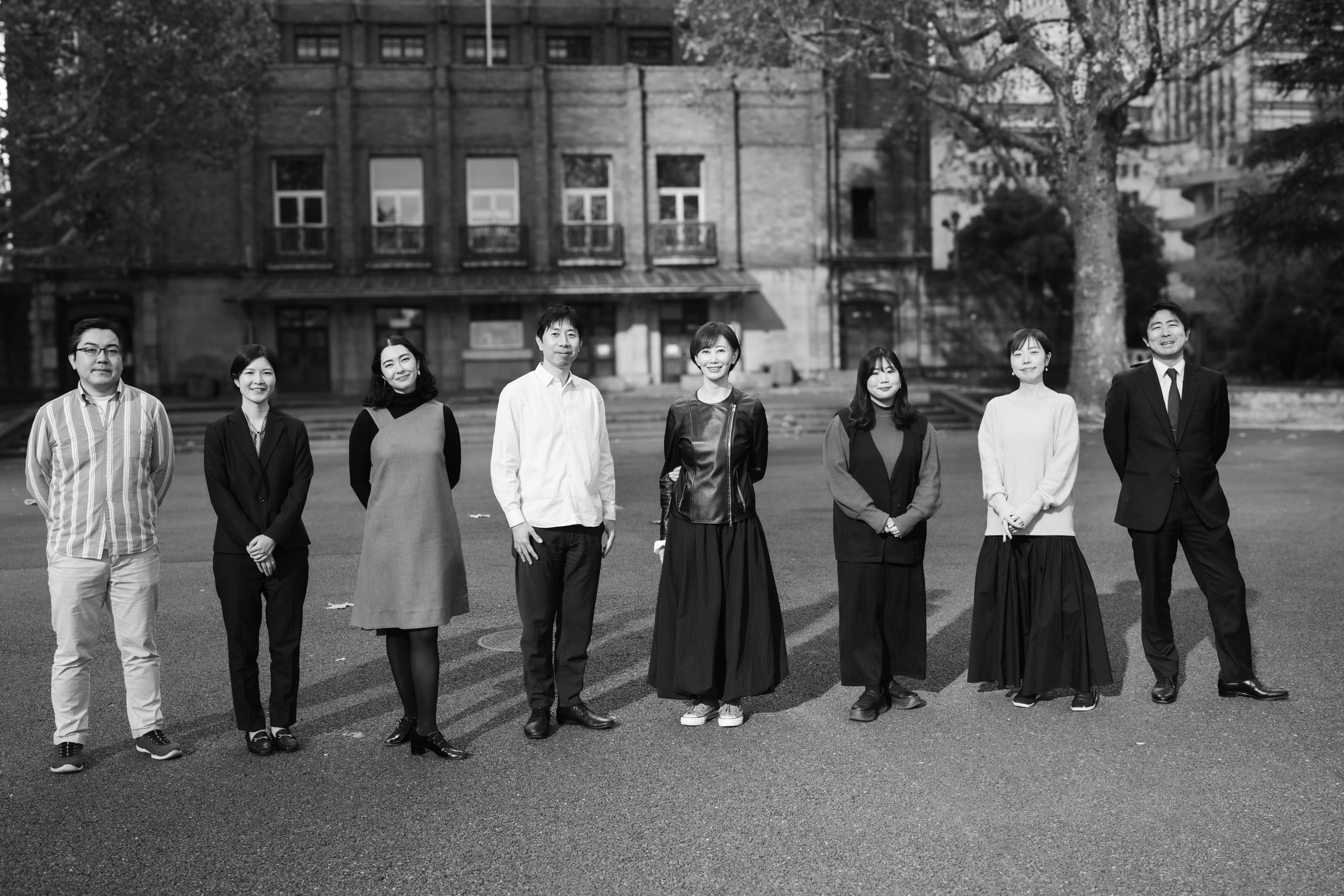
LEDGEは、公共訴訟を戦略的にプロデュースするために作られた、各種専門家によるチームです。本訴訟はLEDGEの支援を受けています(本訴訟の弁護団の一部はLEDGEのメンバーです)。
下記の公式SNSにて、本訴訟の最新情報の告知等も行なっていますので、よろしければぜひフォローください。
LEDGE公式サイト
公式X(旧Twitter)
公式Instagram
*Translated by Google Translate
Introduction
The vote you cast in an election to determine the future of the country is only counted as a "vote" once it's placed in the ballot box. For many voters living in Japan, this may seem like a perfectly normal thing.
However, in the February 2026 House of Representatives election, which was the shortest since the end of the war from dissolution to voting, there were people for whom this "obvious" thing was not fulfilled.
The four plaintiffs, living in Germany, France, Australia, and Canada, requested their ballots more than a week before the dissolution of the House of Representatives and attempted to vote by international mail. However, the votes of three of them arrived in Japan after the election day. The remaining plaintiff received their ballot after the election day, making it impossible for them to even send it to Japan.
With only 16 days between the dissolution of parliament and the voting, no matter how much they rushed, they simply couldn't make it in time. As a result, the plaintiffs' "votes" were not even counted as invalid.
This lawsuit holds the government accountable for neglecting the overseas voting system, which makes it difficult for overseas voters to cast their ballots, and seeks a system that ensures everyone can cast their vote reliably without any special burden.
Summary of the case
The "overseas voting system" exists, but it doesn't allow people to vote.
Voters living abroad can cast their ballots in national elections either through "voting at an overseas diplomatic mission" or "by mail."
Voting at an overseas diplomatic mission means going to a Japanese embassy, consulate general, or consular office in the country where you are staying to cast your vote. The voting period is from the day after the election is officially announced until six days before the election day in Japan, although some overseas diplomatic missions may have a shorter period.
The nearest overseas diplomatic mission is approximately 200 to 1200 km away from the plaintiffs' homes. Traveling by car, train, or plane takes several hours to more than half a day each way, which is a significant burden both in terms of time and money in their busy lives. For this reason, the four chose to vote by mail.
Postal voting is a system where the entire process—① requesting a ballot from a Japanese local government, ② the local government sending the ballot, and ③ filling out the ballot and returning it to the Japanese election commission—is done via international mail. Even with the fastest international mail (EMS), it takes 1-2 weeks one way to many regions, making it extremely difficult to meet the deadline for elections with short schedules.
Furthermore, when you request a ballot, you will be mailed with the "Overseas Voter Certificate," which is also required for voting at overseas diplomatic missions. Therefore, once you have chosen to vote by mail, you cannot switch to voting at an overseas diplomatic mission.
On the other hand, the election period in Japan had been getting shorter year by year even before the introduction of the overseas voting system. The minimum legally mandated number of days from the official announcement to the voting and counting of ballots was "30 days" when the law was enacted in 1950, but after a total of five revisions, it was shortened to the current "12 days" in 1994.
Although the overseas voting system was established in 1998, the regulations regarding the minimum number of days required for an election have not changed since 1994. In other words, the overseas voting system was built upon an electoral system that did not anticipate voting by international mail at all, and the Diet has ignored this self-inflicted contradiction for many years.
The government was aware of the importance of overseas voters' "votes," but failed to protect them.
The general election in February 2026 took place just 16 days from the dissolution of the House of Representatives to the voting and counting of ballots, and only 12 days from the official announcement. It was the shortest election since the end of World War II, and the shortest period permitted under the current system.
The four plaintiffs had seen news reports suggesting the possibility of dissolution and had requested their ballots even before the dissolution on January 23rd. Although the system allows for requests for ballots at any time, they are not actually sent out until after the dissolution of the House of Representatives, so the plaintiffs acted early.
Ms. Terao, who lives in France, requested a ballot on January 15th, but it arrived only five days before the election on February 8th. She immediately sent it back via priority letter, but the ballot did not reach the Japanese election commission until five days after the election.
Ms. Higashida, who lives in Australia, also requested a ballot on January 16th, but it didn't reach the election commission until five days after the election. Similarly, Mr. Scheumann, who lives in Germany, received his ballot four days after the election and was unable to have it counted as a vote.
In the case of Ms. Chiba, who lives in Canada, she didn't receive her ballot until February 24th, 16 days after the election. There was no way she could have voted under those circumstances.
There are approximately 1.3 million Japanese people living overseas, of which about 1.05 million are eligible voters. However, only about 29,000 Japanese people living abroad actually voted in this election. When overseas voters are included in the base number, the actual voter turnout was only about 2.7%.
Of these, only 138 mail-in ballots were received and counted as "one vote" in this election, representing a mere 138 votes in single-member constituencies and 137 votes in proportional representation from around the world. On the other hand, it has been found that 53 votes, representing approximately 30% of the total, in both single-member constituencies and proportional representation did not arrive in time for the election day and were instead delivered to election officials after the vote counting.
Furthermore, this figure does not include people who gave up on voting altogether due to procedural obstacles.
This problem is nothing new. The government has long been aware that mail-in voting from overseas would not be completed in time given the short timeframe. There have been numerous opportunities to review the system, but it has been left unaddressed.
What they are claiming in court
In this lawsuit, the plaintiffs are seeking state compensation and confirmation of illegality from the government, arguing that the government's long-standing failure to enact legislation to allow overseas citizens to exercise their right to vote and the right to national review violates Articles 15, Paragraphs 1 and 3, Article 43, Paragraph 1, and the proviso of Article 44 (guarantee of the right to vote), and Article 79, Paragraphs 2 and 3 (guarantee of the right to national review) of the Constitution.
1. The right to vote and the right to referendum must be exercised "without any special burden."
In its Grand Bench rulings in 2005 and 2022, which dealt with the constitutionality of restrictions on the voting rights and referendum rights of Japanese citizens residing abroad, the Supreme Court established a strict standard, stating that under the principle of popular sovereignty, the Constitution guarantees all citizens an equal opportunity to exercise their voting rights and referendum rights, and that such restrictions are not permissible unless there are "justifiable reasons."
Furthermore, in a 2006 Supreme Court ruling where the constitutionality of the failure to enact legislation guaranteeing the opportunity to exercise the right to vote for those who have difficulty going to the polls due to mental health reasons was contested, Judge Tokuji Izumi's supplementary opinion stated that "guaranteeing the right to vote also guarantees the ability to actually exercise the right to vote," and that this includes "the establishment of an electoral system in which all voters can exercise their right to vote without any special burden."
In short, the Constitution requires the government to establish a system that allows everyone to exercise the right to vote and the right to national review without any special burden. Legislative inaction that fails to establish the necessary systems to achieve this violates the Constitution unless there are "justifiable reasons."
2. The magnitude of the burden imposed on the plaintiffs
In order for the plaintiffs to vote at an overseas diplomatic mission, they had to bear transportation costs ranging from several thousand yen round trip using highways, public transport, and airplanes, and for those living far away, it could reach tens of thousands of yen, forcing them to endure long journeys. Moreover, the voting period at overseas diplomatic missions was only 4 to 6 days, shorter than in Japan, and the schedule was only announced just before voting began, making it difficult to make arrangements in advance. For this reason, they chose to vote by mail, but with only 12 days between the official announcement and the voting day, it was virtually impossible to complete the procedures of requesting, receiving, and returning ballots using international mail. As a result, the plaintiffs were unable to exercise their right to vote and the right to national review without incurring special burdens.
3. There are no "unavoidable circumstances" for the country.
There are no "unavoidable circumstances" for not establishing a system that allows Japanese citizens living abroad to vote without any special burden. There are multiple ways to enable voting from overseas. For example, sailors at sea and members of Antarctic research teams are permitted to vote using facsimile (sea voting, Antarctic voting), and it would be possible to introduce a similar system. Furthermore, the possibility of introducing internet voting was considered in the 2018 Ministry of Internal Affairs and Communications research group report , and has been debated in the Diet ever since. In addition, it is possible to amend the law to extend the minimum election period of 12 days. Thus, despite having plenty of ways to guarantee voting opportunities, the government failed to establish the necessary systems. There are no "unavoidable circumstances" for this inaction, and it violates the Constitution.
4. The illegality of legislative inaction for approximately 20 years.
The Diet should have taken the necessary measures at the latest when the Supreme Court ruling in 2006 indicated the need to establish a system that would allow citizens to exercise their right to vote and the right to national review "without any special burden." However, for approximately 20 years, until 2026, no changes were made to the voting methods or election schedule to ensure that every vote is received. This prolonged legislative inaction should be considered illegal under the National Compensation Act.
Social Significance
In the past, Japanese people living abroad were unable to participate in national elections. The right of overseas voters to vote has been gradually gained through citizens raising their voices and fighting in court.
It all began in 1996 when citizens living overseas sued the government, arguing that it was unfair that they, as fellow Japanese citizens, could not vote. This led to the establishment of the overseas voting system in 1998. Initially, overseas voters were only allowed to vote in proportional representation, but this restriction was removed in a legal amendment the year after the Supreme Court ruled the system unconstitutional in 2005.
In 2022, a ruling was handed down declaring the national review of Supreme Court justices unconstitutional, finally opening the way for the exercise of review powers from overseas. This trial is an extension of this history.
Anyone could potentially move their base of operations overseas for various reasons, including studying abroad, work, marriage, or other circumstances. Creating a system that ensures voters can reliably cast their vote without any special burden, regardless of where they live, is essential to protecting the foundation of democracy.
The current situation, where some voters are unable to vote or are forced to bear special burdens in order to vote, depending on the election schedule set by the government in power, threatens the very foundation upon which our society stands.
Join us as the plaintiffs who have raised their voices across the ocean. We ask for your support to protect each and every vote and move the history of Japanese democracy forward.
Message from the plaintiff
Yumiko Scheuman | Residing in Germany
The recent snap election for the House of Representatives was held with far too little time to cast a vote. Although I received my ballot, I didn't have time to return it, and therefore I was unable to cast a single vote. I was deeply disappointed, and I felt that my right to vote had been taken away due to flaws in the system.
Despite the government's long-standing awareness that poor postal service forces some people to give up voting, and that others incur costs of tens of thousands of yen for sending their ballots, it has failed to make swift improvements, and the rights of overseas voters have been repeatedly violated. We want a system in place that ensures everyone can vote.
Ms. Terao | Living in France
I live with my family of four in a suburb of southern France, near Cannes, and continue working on a contract basis with the company I used to work for in Tokyo.
Since the only embassies where I can vote abroad are in Paris, which is a plane ride away, or Marseille, which is about 200km away, I have always relied on mail-in voting. Airmail takes about a week, so I was able to make it by requesting my ballot early, albeit just barely, but for the House of Representatives election at the beginning of this year, it was completely impossible.
We sent an explanation of the situation and our opinions requesting improvements to the Ministry of Internal Affairs and Communications, but we have received no reply. We are concerned that if we do not speak up now, our voices (our votes) will continue to be ignored.
Even if living abroad, as long as you maintain your Japanese citizenship, you only have the right to vote in Japanese national elections. I hope for the establishment and implementation of a system that allows all Japanese citizens with the right to vote to do so without difficulty, including online voting.
Takaaki Higashida | Residing in Australia
I am a first-generation immigrant who has lived in Australia for over 34 years. I am grateful to be Japanese. For me, the right to vote is an important connection to my homeland, Japan.
I hope that through overseas voting, the opinions of Japanese people living abroad will be reflected, even if only slightly, in Japanese politics.
Eriko Chiba | Residing in Canada
I have voted every time since I lived in Japan. I naturally intended to vote in the last House of Representatives election as well, and I made early preparations for overseas mail voting, such as requesting a ballot before the dissolution of parliament. However, the ballot did not arrive until after the day of the election. I feel strong indignation that I was unable to exercise my right to vote despite having the intention to vote and having followed all the necessary procedures.
This injustice is not a one-time occurrence; it's a problem that could happen every time I live abroad. Even though I live overseas, I am a member of Japanese society with Japanese citizenship, I have a family in Japan, and my daughter, who also has Japanese citizenship, has a future there. Japanese politics still affects my life, even now that I live abroad. Despite all this, the current system, which effectively prevents me from exercising my right to vote simply because I live overseas, is utterly unjust.
I strongly urge reforms to the system so that all Japanese citizens living abroad can be sure to vote.
Messages of Support
Hiroyuki Takenaga, Co-Representative, Overseas Voters Network NY
I have been following the lawsuits concerning overseas voting ever since November 1996, when 53 Japanese citizens living abroad raised their voices in protest against the constitutionality of overseas voting rights. During that time, two unconstitutional rulings were issued regarding the "single-member constituency" system and the "national referendum." Despite this, Japan's overseas voting system remains a system where "those who want to vote cannot vote." This lawsuit is the real deal. It is a lawsuit that absolutely must be pursued to create a system where "those who want to vote can vote." I will support it with all my might.
Message from the legal team
The Japanese Constitution guarantees all citizens the right to vote and the right to judicial review. However, these rights are only meaningful if there is a system in place to actually exercise them.
The Japanese government has been aware that the current overseas voting system does not adequately guarantee the voting rights of Japanese citizens living abroad, yet has neglected to take necessary reforms. This shows a disregard for the rights of overseas voters.
An emergency survey on overseas voting conducted by LEDGE after the official start of campaigning for the 2026 House of Representatives election received angry responses from nearly 400 overseas voters living in 49 countries and regions. Many complained about the short voting period, the significant time and financial burden of traveling to overseas diplomatic missions, the difficulties they faced in still being able to vote, or that they had given up on voting despite wanting to.
This lawsuit was launched in response to the frustration, disappointment, and indignation felt by Japanese voters living all over the world.
Through this lawsuit, we aim to rectify long-standing systemic problems and create a society where the vote of overseas voters is equally guaranteed as that of domestic voters. We humbly ask for your support.
Introduction of the assigned lawyer
Daisuke Igeta (Miyamura & Igeta Law Office, Secretary General of LEDGE, a general incorporated association)
Michiko Kameishi (Eclat Umeda Law Office, Representative Director of LEDGE General Incorporated Association)
MotokiTaniguchi (Tokyo Public Law Office, Attorney at Law; Director, LEDGE Association)
Yoshitaka Toda (LEDGE Law Firm)
On May 25, 2022, lawyer Motoki Taniguchi, who was the plaintiff and his representative in the "National Review Overseas" lawsuit (the lawsuit concerning the right to national review abroad), which resulted in the 11th ruling in history that a law was unconstitutional by the Supreme Court Grand Bench, and his representative, lawyer Daisuke Igeta, are also participating in this legal team.
Use of Donations
- Litigation costs : Actual expenses paid to the court, such as revenue stamps and prepaid postage, required when filing a lawsuit.
- Actual costs incurred for collecting materials : fees for copying court documents and fees for various submitted documents, etc.
- Other expenses : These include transportation costs for the plaintiff to appear in court, as well as for experts and other individuals who need to travel to the courthouse.
- Event hosting and publicity expenses : We would like to use the donations to cover the costs of events and publicity related to this trial.
- Legal fees, etc .: We intend to use these funds for retainer fees for legal team members, travel allowances, etc.
About LEDGE
LEDGE is a team of experts specializing in the strategic production of public litigation. This lawsuit is supported by LEDGE (some of the legal team members are LEDGE members).
We also post the latest information on this lawsuit on the official social media accounts listed below, so please follow us if you're interested.
LEDGE Official Website
Official X (formerly Twitter)
Official Instagram


「海外有権者の一票を守れ!在外選挙制度を問う訴訟」弁護団
「海外有権者の一票を守れ!在外選挙制度を問う訴訟」弁護団です。
CONTACT:
弁護士 戸田善恭(弁護団事務局)
info@ledge.or.jp
CONTACT:
弁護士 戸田善恭(弁護団事務局)
info@ledge.or.jp
あなたにおすすめのケース Recommended case for you



- 外国にルーツを持つ人々 Immigrants/Refugees/Foreign residents in Japan
- ジェンダー・セクシュアリティ Gender/Sexuality
- 医療・福祉・障がい Healthcare/Welfare/Disability
- 働き方 Labor Rights
- 刑事司法 Criminal Justice
- 公正な手続 Procedural Justice
- 情報公開 Information Disclosure
- 政治参加・表現の自由 Democracy/Freedom of Expression
- 環境・災害 Environment/Natural Disasters
- 沖縄 Okinawa
- 個人情報・プライバシー Personal information/Privacy
- アーカイブ Archive
- 全てのケース ALL