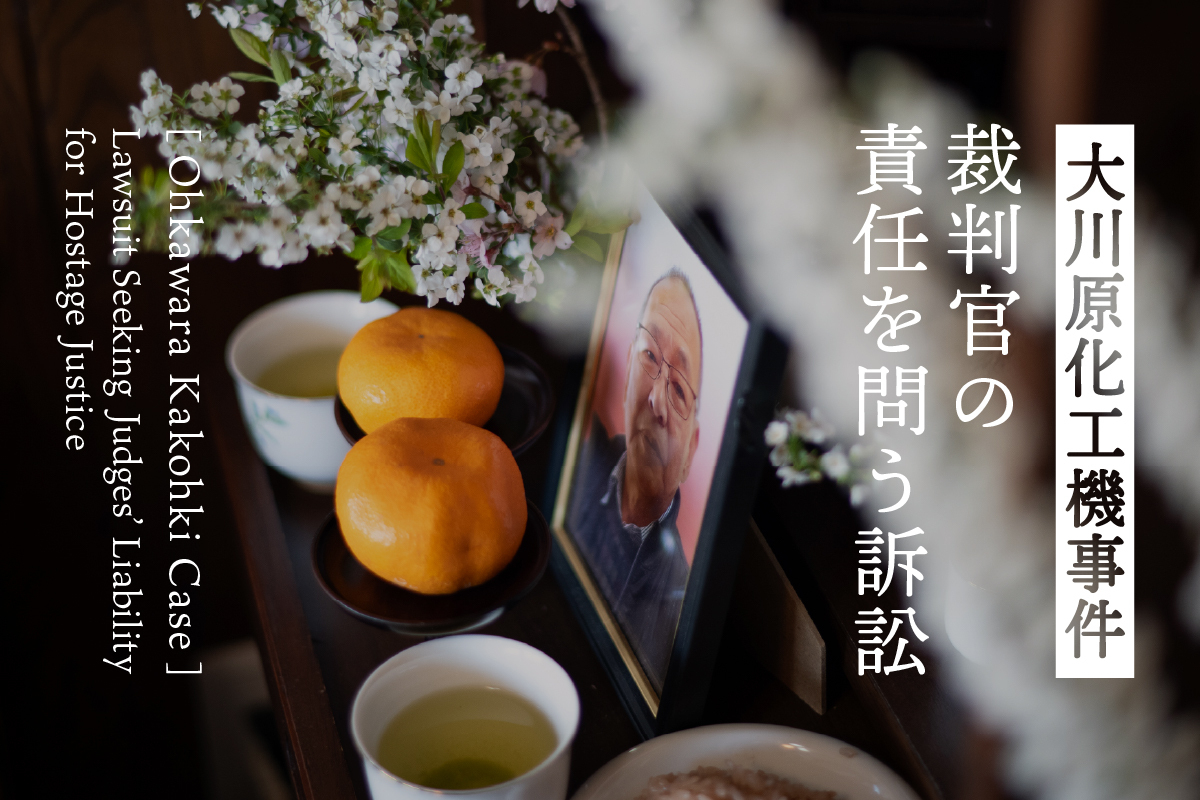
【大川原化工機事件】裁判官の責任を問う訴訟 [Ohkawara Kakohki Case] Lawsuit Seeking Judges’ Liability for Hostage Justice
#刑事司法
#Criminal Justice
#公正な手続
#Procedural Justice
現在の寄付総額 Current Total Raised
3,473,000円 ¥ 3,473,000
目標金額 Target amount
5,000,000円 ¥ 5,000,000
サポーター Supporter
480 人 480 supporters
 寄付する
Donate Now
寄付する
Donate Now


大川原化工機事件で不当に逮捕・勾留された元顧問の相嶋静夫さんは、約11カ月間も自由を奪われ、保釈が認められないままに亡くなりました。後に捜査機関の違法性は認められましたが、静夫さんに逮捕状・勾留状を発付し、保釈を認めない判断をし続けた責任者は、裁判官たちです。
本訴訟は関与した37人の裁判官の判断の違法性を問うことで、日本の刑事司法に法の支配を取り戻し「人質司法」に終止符を打つことを目指します。
In the Ohkawara Kakohki Case, Mr. Shizuo Aishima, a former company advisor, was wrongfully arrested and detained for nearly eleven months — never granted bail, his detention never lifted — and passed away while still in custody. The unlawfulness of the investigation was later acknowledged, yet the judges who issued the arrest and detention warrants and repeatedly denied bail have never been held to account. This lawsuit challenges the decisions of 37 judges involved, with the goal of restoring the rule of law to Japan’s criminal justice system and ending the practice of “hostage justice.”
【2026年6月12日 目標金額を増額いたしました】
皆さまのご支援により、目標金額(300万円)を達成することができました。心より感謝申し上げます。
今後は、これまでの主張をさらに深掘りするため、国内外の専門機関への調査依頼や、海外の専門家との連携を通じた専門知見の導入を予定しています。そこで、新たにサードゴールとして500万円を目指したいと思います。
静夫さんの身体拘束を続けた裁判官の判断過程はどのようなものであったか、何とか訴訟を通じて明らかにし、その責任を追及してまいりたいと思います。人質司法を終わらせ、二度と今回のような悲劇が生まれないよう、何卒お力添えを賜れれば幸甚です。
はじめに
逮捕を決めているのは、裁判官です。
警察官が自由に人を逮捕することはできません。必ず事前に裁判官が判断しています。
勾留を決めているのは、裁判官です。
検察官が自由に人を勾留することはできません。裁判官が最終的な判断をしています。
大川原化工機の元顧問であった相嶋静夫さんは、全くいわれのない疑いで逮捕され、約11ヶ月もの間、身体の自由を奪われ続け、保釈も勾留取消しもされることなく亡くなりました。勾留中に胃がんが発覚しても裁判官は、最期まで保釈を認めませんでした。
この訴訟は、相嶋さんを逮捕・勾留をし続けた37人の裁判官の判断が違法であったことを確認し、日本の刑事司法に法の支配を取り戻すことを目指しています。
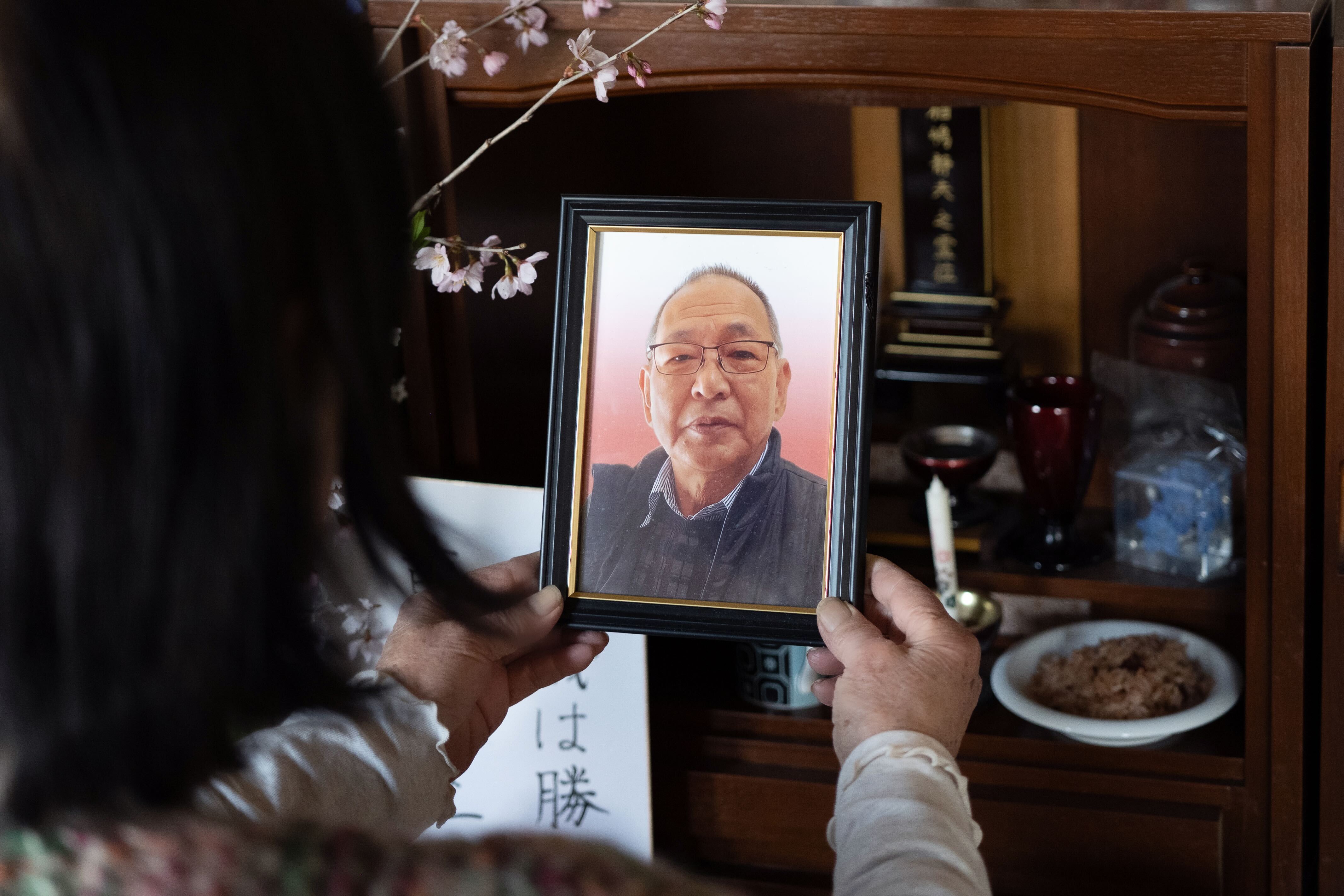
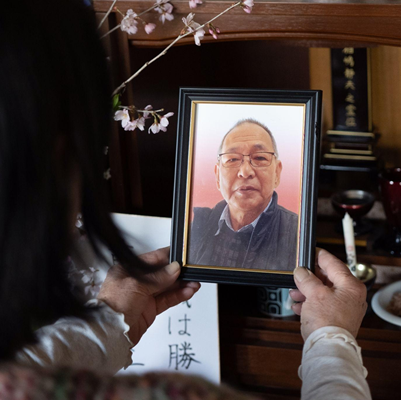
▲遺影を手にする妻。仏壇に飾られているのは静夫さんが書いた「正義は勝つ、真実は一つ」の色紙(撮影:穐吉洋子)
訴訟の内容
この訴訟の事実関係は、いわゆる大川原化工機事件と同じです。
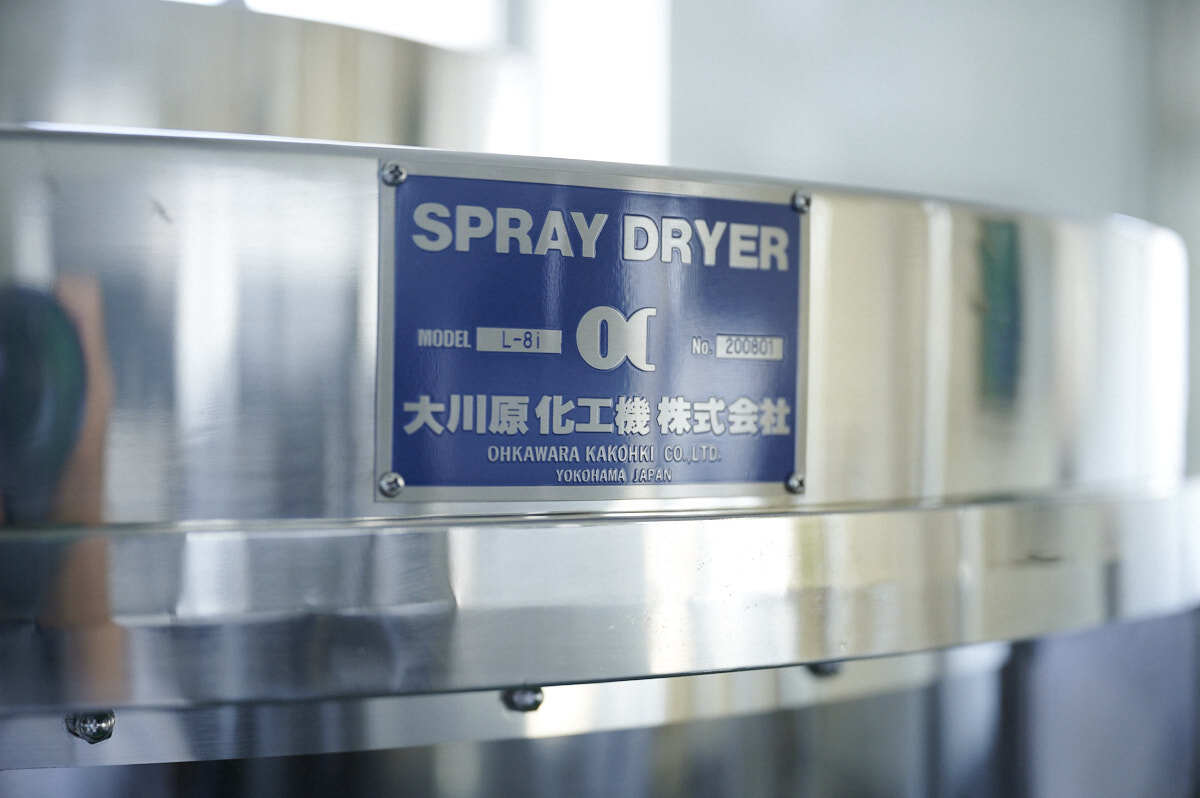
大川原化工機株式会社の役員であった相嶋静夫さんは、経済産業省の許可を得ずに噴霧乾燥機(液体から粉を作る機械)を輸出したとして、外為法違反で逮捕されました。結果として、相嶋さんらは無実であり、この容疑も全く根拠のないものだったことが、すでに捜査機関に対する国家賠償請求事件で確定しています(その訴訟については、こちらをご参照ください)。
その訴訟では、捜査機関の逮捕状請求、勾留状請求、公訴提起などが違法であったと認められました。しかし、裁判官たちの法的責任は追及されませんでした。
静夫さんは、2020年3月11日に逮捕され、3月13日から勾留が始まりました。
弁護人は、勾留に対する準抗告を申し立て、起訴後は幾度となく保釈を申し立てました。しかし裁判官たちは一貫して通り一遍な理由を述べて、犯罪の相当の嫌疑があり、かつ静夫さんが証拠を隠したり、逃げたりする疑いがあると判断し続けました。
その年の10月、静夫さんは胃がんの診断を受けました。弁護人は、すぐに精密検査を受ける必要があるとして保釈を請求しました。しかし、裁判官は、静夫さんが胃がんであっても、証拠を隠したり逃亡する可能性があると判断して保釈を認めませんでした。
結局、静夫さんは、2021年2月7日に亡くなるまで、保釈が認められることはありませんでした。
自らの良心に従って独立して判断を行う裁判官が、暴走する捜査機関に歯止めをかけることなく、むしろ機械的にその要求を追認し続けました。静夫さんと同じように、決められたシステムによって、今日も「人質司法」の被害者が生み出されています。
この訴訟は、相嶋静夫さんに対して、逮捕状を出した裁判官、勾留状を出した裁判官、保釈請求を認めなかった裁判官、合計37人の裁判官の判断がすべて違法であるとして、国に損害賠償を請求する訴訟です。
(撮影:保田敬介)
| 【静夫さんに対してなされた処分と担当裁判官一覧】 | ||
|---|---|---|
| 2020年 | ||
| 3月11日 | 第1事実につき逮捕状発付 | 岡野清二 |
| 3月13日 | 第1事実につき勾留及び接見禁止決定 | 世森ユキコ |
| 3月17日 | 準抗告棄却決定 | 吉崎佳弥、井下田英樹、池田翔平 |
| 3月19日 | 第1事実につき勾留延長決定 | 島田一 |
| 3月27日 | 第1事実の勾留延長決定に対する準抗告棄却決定 | 石田寿一、家入美香、一社紀行 |
| 4月8日 | 保釈請求却下決定 | 遠藤圭一郎 |
| 4月15日 | 保釈却下決定に対する準抗告棄却決定 | 蛭田円香、坂田正史、島尻大志 |
| 5月21日 | 勾留更新決定 | 藤井俊彦 |
| 5月21日 | 第2事実につき逮捕状発付 | 長野慶一郎 |
| 5月28日 | 第2事実につき勾留及び接見禁止決定 | 宮本誠 |
| 6月1日 | 準抗告棄却決定 | 品川しのぶ、深野英一、渋谷俊介 |
| 6月5日 | 第2事実につき勾留延長決定 | 岡田佳子 |
| 6月9日 | 第2事実の勾留延長決定に対する準抗告棄却決定 | 小林謙介、西山志帆、松村光泰 |
| 6月23日 | 保釈請求却下決定 | 遠藤圭一郎 |
| 6月23日 | 勾留更新決定 | 宮本誠 |
| 7月3日 | 保釈請求却下決定に対する準抗告棄却決定 | 楡井英夫、赤松亨太、竹田美波 |
| 7月22日 | 勾留更新決定 | 本村理絵 |
| 8月5日 | 勾留更新決定 | 宮本誠 |
| 8月24日 | 勾留更新決定 | 藤井俊彦 |
| 8月31日 | 保釈請求却下決定 | 宮本誠 |
| 9月5日 | 勾留更新決定 | 道垣内正大 |
| 9月16日 | 保釈請求却下決定に対する準抗告棄却決定 | 蛭田円香、島尻大志、佐藤みなと |
| 9月23日 | 勾留更新決定 | 佐藤薫 |
| 10月2日 | 保釈請求却下決定 | 本村理絵 |
| 10月6日 | 勾留更新決定 | 藤井俊彦 |
| 10月21日 | 保釈請求却下決定 | 牧野賢 |
| 10月22日 | 勾留更新決定 | 大伴慎吾 |
| 11月4日 | 勾留更新決定 | 道垣内正大 |
| 11月19日 | 勾留更新決定 | 本村理絵 |
| 12月4日 | 保釈請求却下決定 | 三貫納隼 |
| 12月17日 | 保釈請求却下決定に対する準抗告棄却決定 | 守下実、家入美香、一社紀行 |
| 12月21日 | 勾留更新決定 | 藤井俊彦 |
| 12月28日 | 保釈許可決定に対する検察官準抗告認容決定 | 佐伯恒治、室橋秀紀、名取桂 |
| 2021年 | ||
| 1月21日 | 勾留更新決定 | 道垣内正大 |
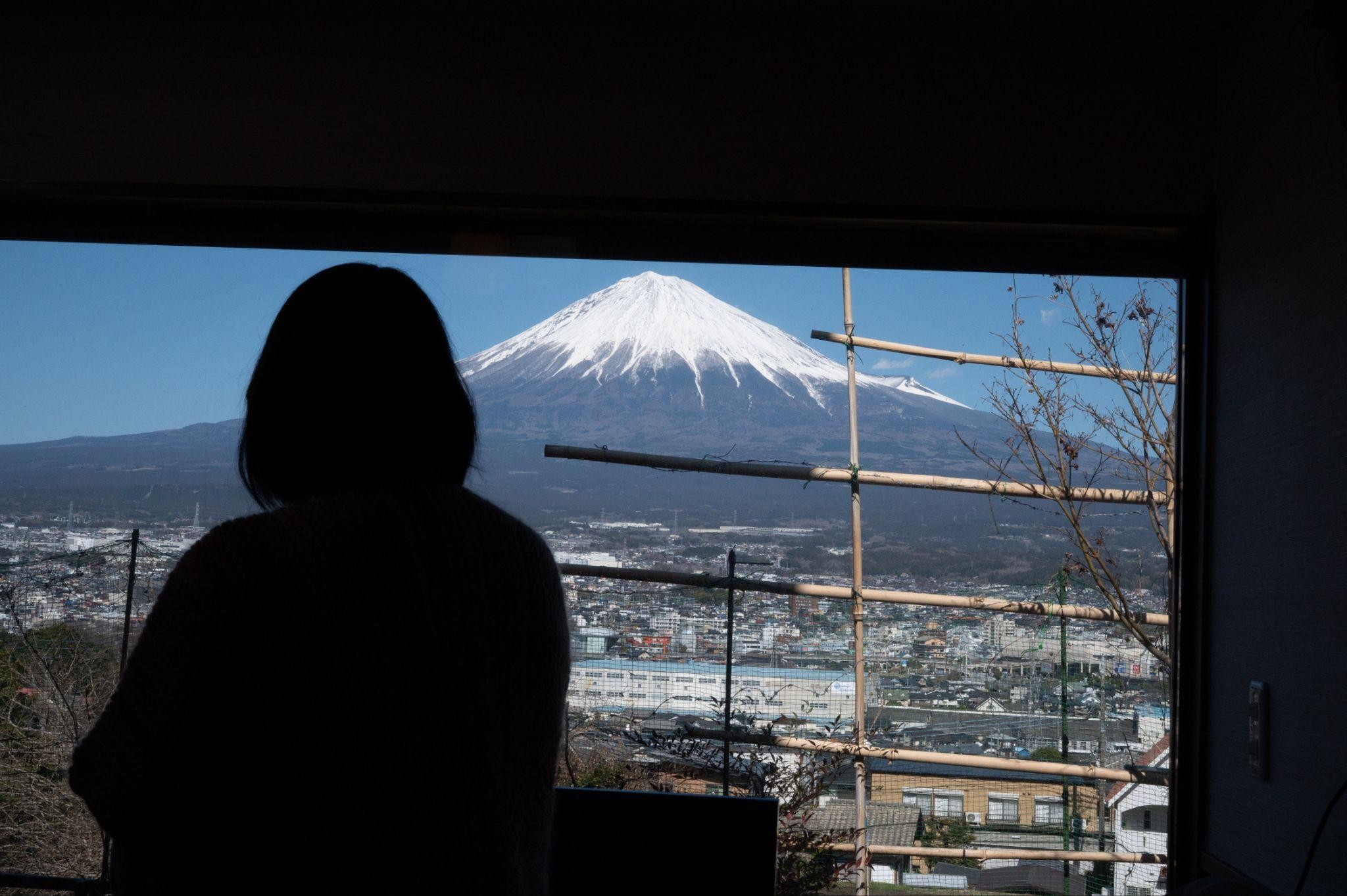
▲夫婦が晩年を暮らすために購入した家にて。「思い出を作れるほどの時間は過ごせなかったです」(撮影:穐吉洋子)
裁判の争点
裁判官の判断について、国は賠償責任を負うか
この訴訟の争点は、裁判官が行った逮捕・勾留・保釈却下などの判断について、国が賠償責任を負うかどうかです。
私たちは次の理由から、これらの判断は違法だと主張します。
① そもそも犯罪の嫌疑がなかった
大川原化工機事件では「殺菌」の定義が争われていました。しかし、捜査機関が採用した「殺菌」の解釈を裏付ける公的な資料は存在しませんでした。そのような状況で、相嶋さんに罪を犯した疑いがあると判断することは本来できないはずです。
また、そもそも大川原化工機の噴霧乾燥器には「殺菌」する能力はありませんでした。この点は、静夫さんだけでなく、会社の複数の従業員も同様に、捜査機関に説明していました。
これらのことは、捜査資料の中からでもわかることでした。しかし、裁判官たちは、捜査機関の主張を批判的に検討することなく、捜査機関の主張そのままに、犯罪の嫌疑を認めました。
② 逮捕の時点で十分に証拠収集済みだった
大川原化工機は、逮捕される前の約1年半にわたり、既に多数の証拠が捜査機関によって集められていました。関係者の供述調書も多数作成されていました。それ以上に、静夫さんが証拠を隠すおそれなどありませんでした。
③ 重い病気でも保釈が認められなかった
静夫さんは勾留中に進行胃がんと診断されました。しかし、その後も保釈は認められませんでした。
治療が必要な人の身体を長期間拘束し続けることは、憲法や条約に違反します。
裁判官の判断は無答責の聖域ではない
最高裁は、昭和57年の判決で、裁判官の判断に誤りがあっただけでは国の賠償責任は生じないとしています。そして、「裁判官が違法又は不当な目的をもつて裁判をしたなど、裁判官がその付与された権限の趣旨に明らかに背いてこれを行使したものと認めうるような特別の事情」がある場合に限り、責任が認められるという基準を示しました。
しかし、そもそもこの判決は、立法不作為の責任をも国家賠償法の枠組みで認めるようになった現代には即していません。
また、この判決は、当事者双方が十分に主張や証拠を出し合う機会が与えられる通常の裁判を前提にしています。
他方で、今回の静夫さんの逮捕や勾留に携わった裁判官たちは、捜査機関が提出した資料だけを見て判断しています。その資料は被疑者や弁護人には開示されていません。被疑者は理由や証拠を知らないまま反論しなければならず、「当事者双方が十分に主張や証拠を出し合う機会」は与えられていないのです。
このような通常の裁判とは根本的に異なる手続きにまで、昭和57年判決の基準をそのまま当てはめることはできません。
昭和57年の基準は、戦前の天皇主権の下で認められた国家無答責(国家は責任を負わない)に近いものです。勾留や保釈の判断に、このような枠組みを認めることはできません。
裁判官たちの判断が、憲法や条約、法律に照らして合理的なものであったか、厳格に判断されなければなりません。
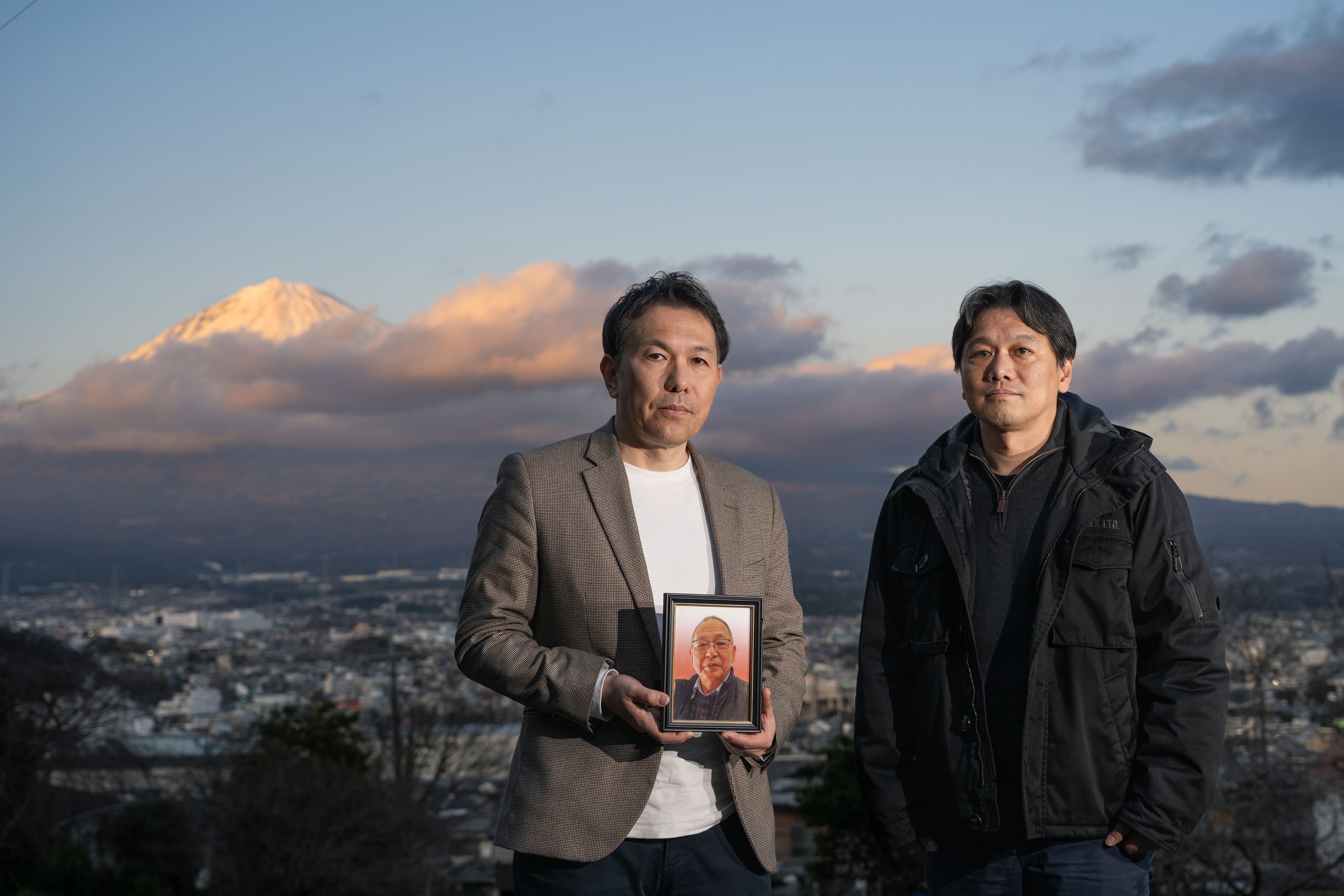
▲「裁判官に対する尊敬や信頼を裏切られた。司法が再起するきっかけになってほしい」と語る相嶋さんの長男(左)と次男(撮影:穐吉洋子)
原告の思い
相嶋さん妻
夫は自尊心が高く、自分なりに一所懸命に真面目に生きてきた人でした。
まだ裁判もしていないし、判決も出ていなかった。あの時に保釈が却下されずに病院にさえ行けていれば、自分の意見をしっかり伝える人だったので、裁判に出て、正々堂々と意見を言いたかったと思います。こんな理不尽があるのかと今でも悔しくて胸が張り裂けそうです。
がんが発症して、進行して、勾留執行停止の状態ではほとんどの病院が受け入れてもくれず、それをわかっていて7回も保釈請求を却下した裁判所には強い怒りを感じています。
私は、夫になんとしてでも助かってほしくて、「嘘をついてでも、もう罪を認めてしまって、病院へ行こう」と一度言ったことがあります。夫は無言のままでした。信念を曲げてまで生きたいと思ってはいないんだと知って、それからはもう言うことはありませんでした。
裁判官には紙切れ一枚に書かれていることの重みを感じてほしい。自ら現行のシステムのエラーをただして、成熟した司法に変わってほしいと強く願っています。
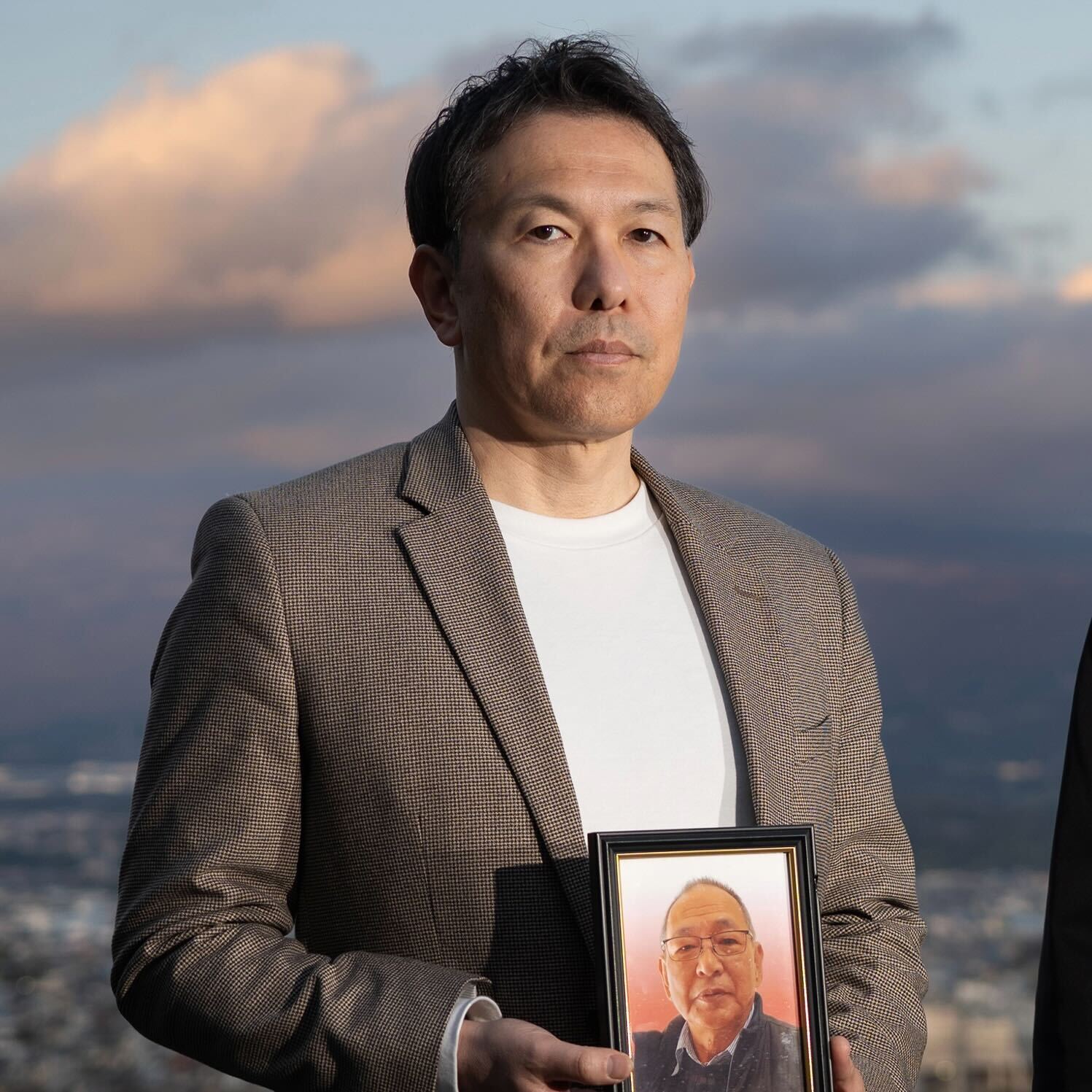
相嶋さん長男
何一つ罪を犯していない。ただ真面目に、ルールを守って製品を輸出していただけなのです。それにもかかわらず、私たち家族の平穏な日常を理不尽に破壊した暴挙、それが大川原化工機冤罪事件です。
後に裁判で彼らの卑劣な違法捜査が暴かれ、国と東京都は謝罪と賠償を行いました。しかし、私の心には今も深く、冷たい怒りが渦巻いています。
なぜなら、無実の父を冷たい檻の中に閉じ込め、自由を奪う決定を下したのは「裁判官」だからです。11ヶ月もの間、法を守って生きてきた善良な市民を不当に縛り付けたのです。胃がんにより命の危機に瀕する父から専門的な治療を受ける機会すら奪った裁判官たちは今なお沈黙を続けています。
このまま彼らの無責任を放置すれば、日本の「人質司法」という名の拷問は決してなくなりません。父が味わった絶望を、二度と他の誰かに経験させたくない。この凄惨な事件を怒りとともに語り継ぎ、裁判官の責任を真っ向から問うていくことこそが、この国に真の正義と健全な社会を取り戻すための唯一の道なのです。
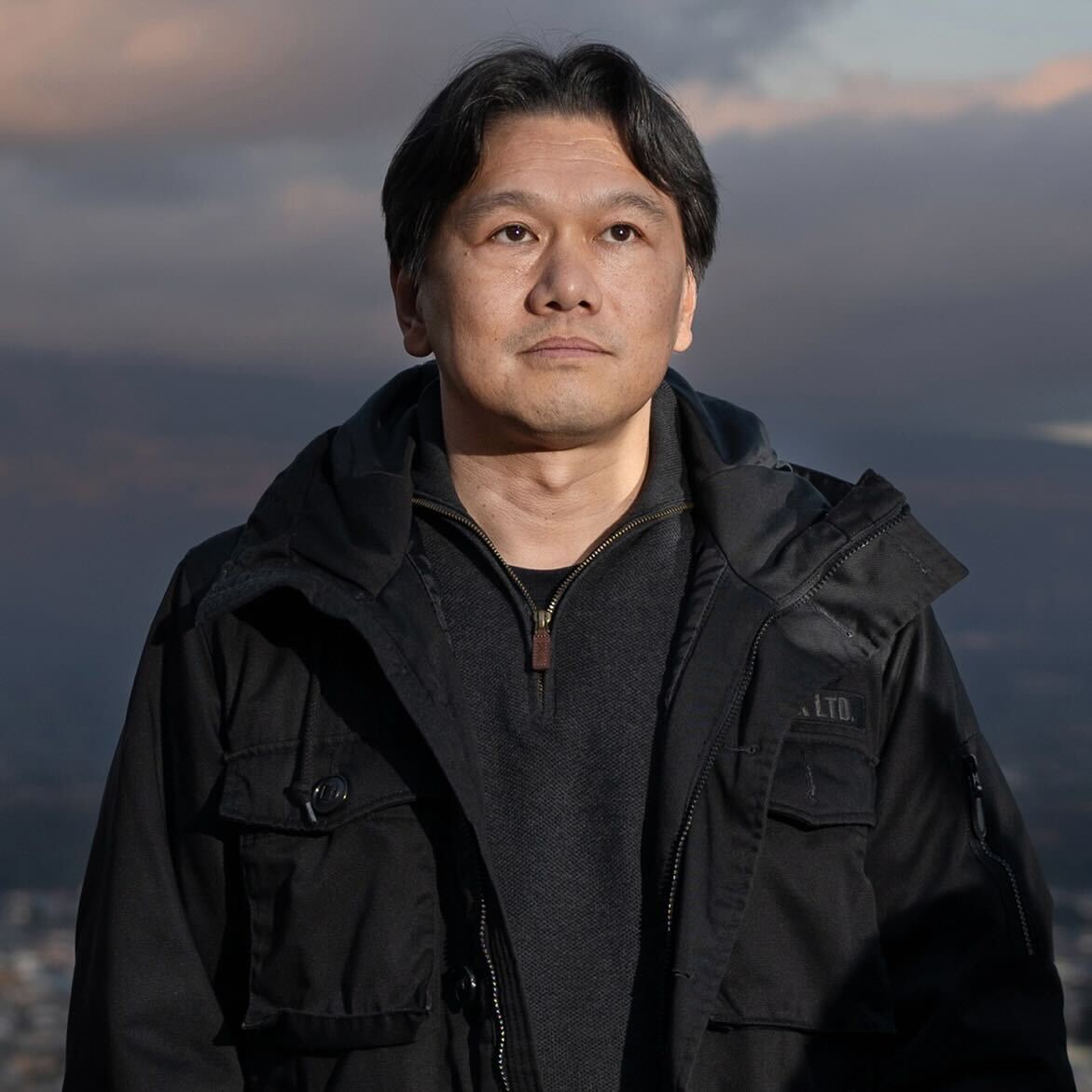
相嶋さん次男
私の父、相嶋静夫は、日本の輸出管理制度を巡る冤罪の犠牲となりました。捜査機関の暴走を止めるべき門番であるはずの裁判所は、追認機関として機能し、逮捕勾留を認め、起訴後も勾留を続けました。それは、自白しない限り拘束を解かない日本の「人質司法」そのものでした。
何より残酷だったのは、父が拘置所で進行がんに侵され、生命の危機に瀕していた時です。死の影が迫る中、技術者として「なぜ正しいことが分かってもらえないんだ」と、物理的事実を無視される絶望の中で命を削られた父の無念。
疑わしきは捜査機関の利益に——理想と全く逆です。国賠訴訟で勝訴し、捜査機関から形ばかりの謝罪がなされても、裁判所は今も沈黙を貫いています。
国家権力の暴走をチェックできない司法に、もはや審査能力はありません。私は父の死を招いた裁判所の責任を問い、二度とこのような悲劇を繰り返さない「人道の司法」へ進化してほしい。
父が遺した最後の問いを、社会へ投げかけたいのです。
社会的な意義
「人質司法」が議論される際、批判の矛先は捜査機関に向かいがちです。
しかし、その大元は裁判官たちの判断です。
逮捕状を発付するのは裁判官です。
勾留状を発付するのは裁判官です。
保釈請求を認めるかどうか判断するのも裁判官です。
裁判官たちが、身体の自由の重要性を適切に理解し、憲法や条約や法律を正しく解釈・適用していれば、「人質司法」など生まれません。
日本のほとんどの裁判官は、疑われた罪を認めない人は証拠を隠したり、逃げたりする可能性があると判断します。そこには「無罪推定」はありません。
身体拘束の一つ目の要件である相当の嫌疑があると判断したときから、裁判官たちは有罪推定を働かせます。有罪であるのに、罪を認めていないということは、罪を免れるために証拠を隠したり、逃げたりすると考えます。無罪の人が、防御活動のために関係者と打ち合わせをする行為を、有罪の人が罪を免れるために虚偽の証言を作るべく口裏合わせをすると捉えます。その結果、罪を認めない人の身体拘束は長くなります。
その思い込みは、その人が致命的な病気となっても変わりません。静夫さんは2020年10月に悪性腫瘍の診断を受けましたが、翌2月に胃がんで亡くなるまで保釈も勾留取消しもされませんでした。
この間に関わった裁判官の誰一人、自ら勾留を取り消すこともなく、機械的に勾留を延長し、そして保釈を却下しました。
高齢の技術者が、治療のために専門病院に入院しなければならない状況になっても、裁判官たちは、静夫さんが逃亡したり、証拠隠滅をすると判断し続けました。
静夫さんが全く根拠のない罪で逮捕され、胃がんで亡くなるまで、37人の裁判官が彼の身体の自由を奪い続けました。その判断は、憲法にも条約にも法律にも反しています。
この訴訟は、日本の刑事司法のシステムを抜本的に見直し、法の支配を取り戻すことで「人質司法」に終止符を打ち、静夫さんのような犠牲者を二度と生まないことを目指します。
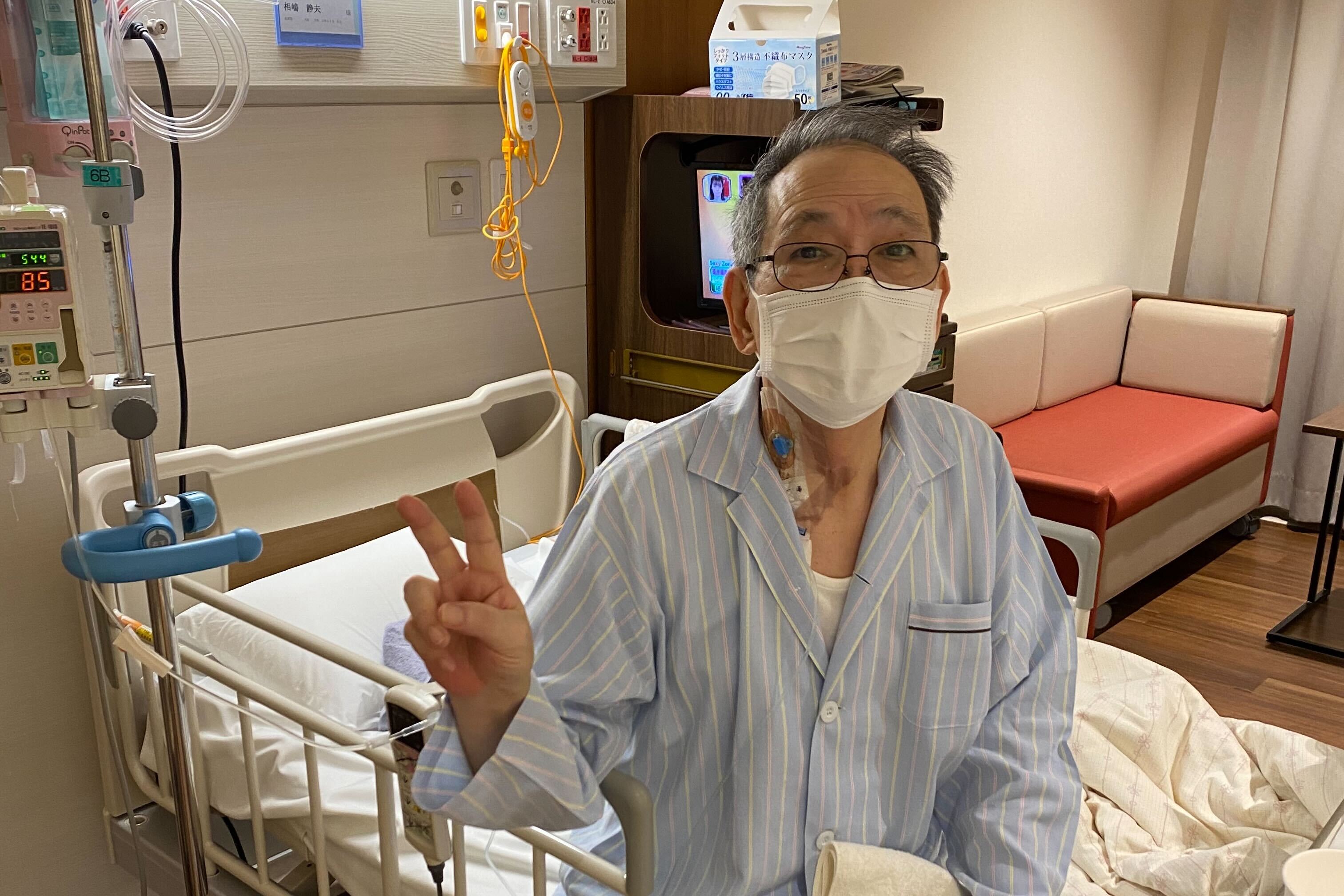
▲勾留執行停止中にようやく入院ができた静夫さん。しかし、余命僅かと医師に告げられた(写真:原告提供)
応援のメッセージ
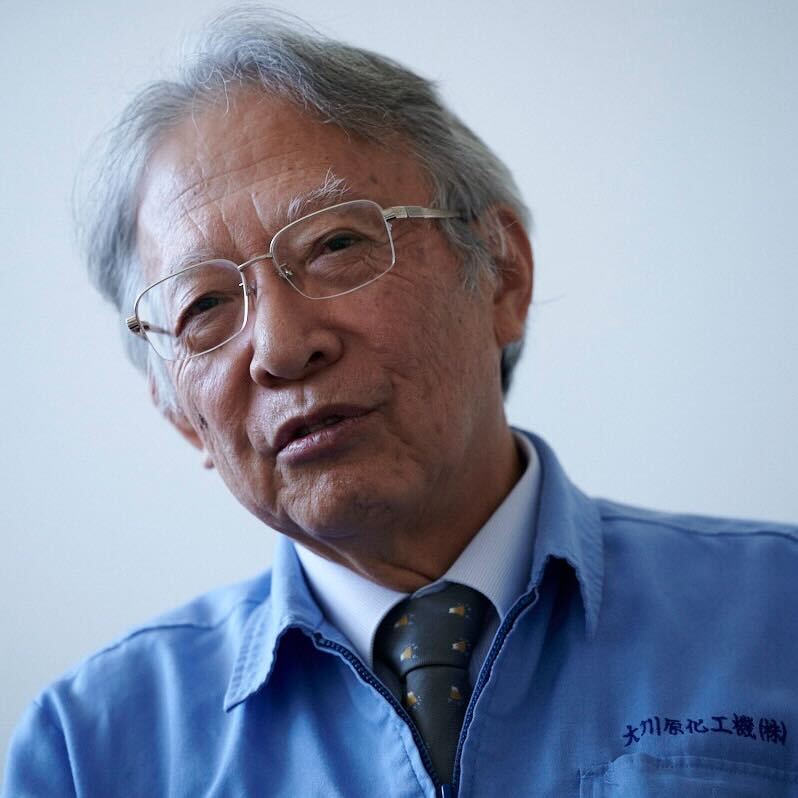
大川原正明さん(大川原化工機株式会社 代表取締役社長)
「あってはならない所に装置があった」との指摘を受け、強制捜査後も1年以上任意聴取に協力したにもかかわらず逮捕・勾留されました。本来なら執行猶予相当の事案であり、長期勾留は不当でした。
保釈請求しても認められず、4ヵ月の留置場での冷や飯と取り調べで体力を消耗しました。さらに拘置所に移ってから体調不良を訴え発病した相嶋さんは、適切な治療も受けられず、何度もの保釈請求も退けられ、勾留停止が認められた時には手術もできない状態でした。
無実を信じ続けた相嶋さんを救えたのは裁判官だけです。なぜ止められなかったのかを明らかにし、改善された姿を墓前に捧げたいと思います。
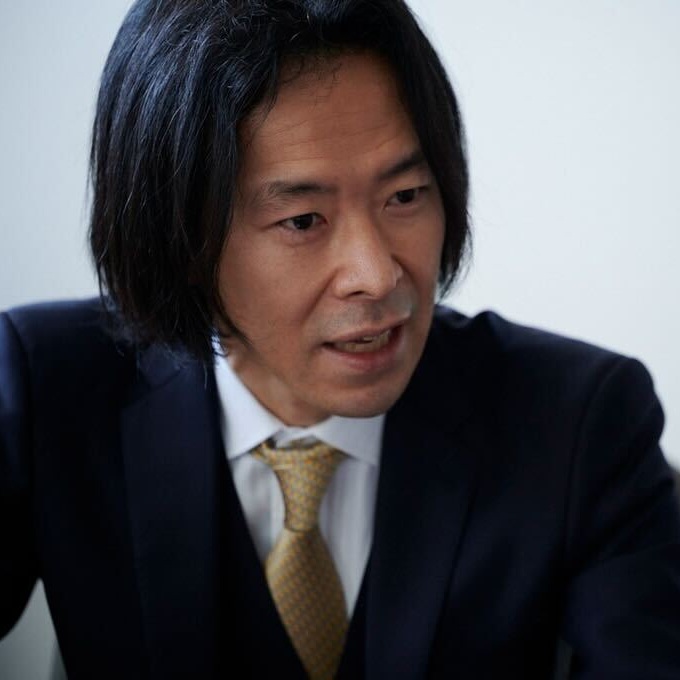
髙田 剛さん(弁護士)
私は2020年12月28日を忘れない。
相嶋さんを元気づけるためにも、何としても年内に保釈許可が欲しかった。手を尽くして12月25日に行った保釈請求は、既に7回目を数えていた。
28日午後4時、念願の保釈許可決定が出た。よかった。間に合った。我々弁護団が保釈金の準備を進めていると、午後9時に裁判所から1本の電話が入った。
「決定を取り消し、保釈請求を却下する。」
相嶋さんは、関係者に働きかけるなどして、罪証を隠滅すると疑うに足りる相当の理由がある。刑事第6部の3名の裁判官(佐伯恒治、室橋秀紀、名取桂)は僅か5時間でこのように判断し、加藤和宏検事の準抗告を受け容れたのだった。
裁判官からは、相嶋さんの容態の確認すらなかった。
1ヶ月後、相嶋さんは保釈が叶わぬまま息を引き取った。
捜査機関の違法は、既に認められた。しかし裁判官の責任が問われない限り、人質司法は終わらない。
私は今も、2020年12月28日を忘れない。
寄付金の使途
- 訴訟費用: 収入印紙代(約55万円)及び予納郵券(約1万円)など裁判所に支払う実費費用
- 資料収集にかかる実費:裁判資料の謄写費用及び各種提出資料の手数料等
- その他の実費:原告が裁判に出頭する際、また専門家の方などに裁判所に足を運んでいただく際の交通費他を予定しています
- イベント開催・広報費用:この裁判に関するイベントや広報費用にも寄付金を用いたいと考えています
- 弁護士費用等:弁護団員の着手金、成功報酬、出張日当等に活用したいと考えています
弁護団について
高野 隆 (高野隆法律事務所)
吉田 京子(同)
南里 俊毅(同)
井桁 大介(宮村・井桁法律事務所、一般社団法人LEDGE事務局長)
趙 誠峰 (Kollectアーツ法律事務所)
谷口 太規(弁護士法人東京パブリック法律事務所、一般社団法人LEDGE理事)
戸田 善恭(法律事務所LEDGE)
城使 洸司(後藤・しんゆう法律事務所)
拝地 旦展(同)
矢内 太道(北千住パブリック法律事務所)
LEDGEについて
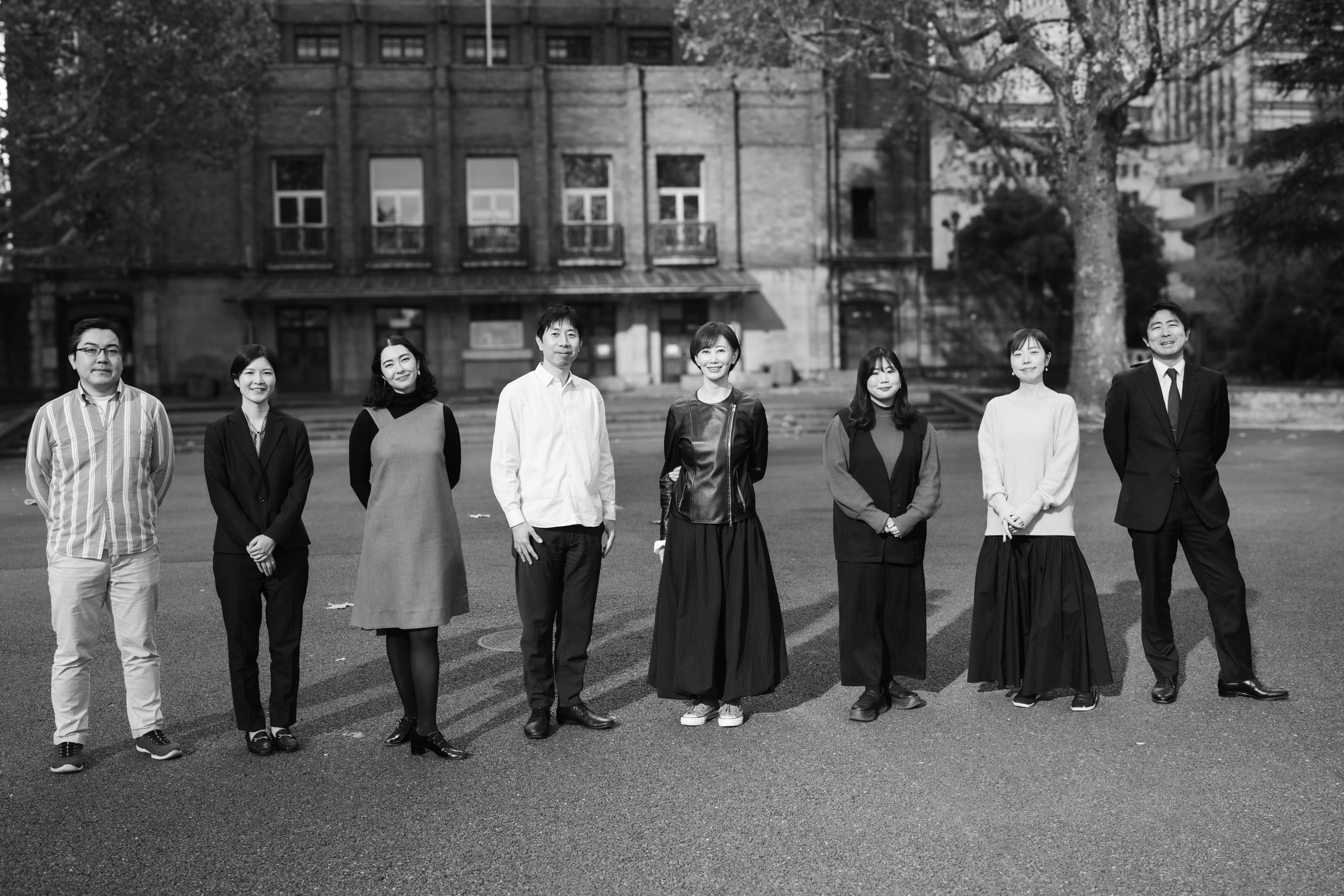
LEDGEは、公共訴訟を戦略的にプロデュースするために作られた、各種専門家によるチームです。本訴訟はLEDGEの支援を受けています(本訴訟の弁護団の一部はLEDGEのメンバーです)。
下記の公式SNSにて、本訴訟の最新情報の告知等も行なっていますので、よろしければぜひフォローください。
*Translated by Google Translate
[12 June 2026 – Funding Goal Increased]
Thanks to your generous support, we have successfully reached our fundraising goal of JPY 3 million. We are deeply grateful for your continued encouragement and contributions.
As we move forward, we plan to further strengthen our arguments by commissioning research from specialist institutions in Japan and abroad, and by incorporating expert knowledge through collaboration with international specialists. To make this possible, we have set a new third fundraising goal of JPY 5 million.
Through this litigation, we seek to uncover how the judges who continued to authorize Shizuo's physical restraint reached their decisions, and to hold those responsible accountable. We are determined to bring an end to Japan's "hostage justice" system and to prevent tragedies like this from ever happening again.
We would be sincerely grateful for your continued support in helping us achieve these goals.
Introduction
The judge is the one who decides whether to make an arrest.
Police officers cannot arbitrarily arrest people. A judge must always make a decision beforehand.
The judge is the one who decides whether or not to detain someone.
Prosecutors cannot arbitrarily detain people. The judge makes the final decision.
Shizuo Aishima, a former advisor to Ohkawara Kakohki, was arrested on completely unfounded suspicions and remained deprived of his freedom for approximately 11 months. He died without ever being granted bail or having his detention lifted. Even when stomach cancer was discovered during his detention, the judge refused to grant him bail until the very end.
This lawsuit aims to confirm that the decisions of the 37 judges who continued to arrest and detain Mr. Aishima were illegal, and to restore the rule of law to Japan's criminal justice system.
▲The wife, holding a portrait of Mr. Aishima. Displayed on the Buddhist altar is a calligraphic work written by Shizuo that reads, "Justice will prevail, the truth is one." (Photo: Yoko Akiyoshi)
Contents of the lawsuit
The facts of this lawsuit are the same as those in the so-called Ohkawara Kakohki case.
Shizuo Aishima, an executive of Ohkawara Kakohki Co., Ltd., was arrested for violating the Foreign Exchange and Foreign Trade Act for exporting a spray dryer (a machine that turns liquid into powder) without permission from the Ministry of Economy, Trade and Industry. As a result, Aijima and others were found innocent, and the charges against them were completely unfounded, as has already been confirmed in a lawsuit seeking state compensation from the investigating authorities (please see here for details of that lawsuit).
In that lawsuit, it was found that the investigative authorities' requests for arrest warrants, detention warrants, and indictments were illegal. However, the judges were not held legally accountable.
Shizuo was arrested on March 11, 2020, and his detention began on March 13.
The defense attorney filed an appeal against the detention and repeatedly applied for bail after the indictment. However, the judges consistently gave generic reasons and continued to rule that there was sufficient suspicion of the crime and that Shizuo was likely to conceal evidence or flee.
In October of that year, Shizuo was diagnosed with stomach cancer. His lawyers requested bail, arguing that he needed to undergo further examinations immediately. However, the judge denied bail, stating that even though Shizuo had stomach cancer, he might conceal evidence or attempt to flee.
Ultimately, Shizuo was never granted bail before his death on February 7, 2021.
Judges, who make independent judgments based on their own conscience, failed to check the runaway investigative agencies and instead mechanically continued to endorse their demands. Just like Shizuo, victims of "hostage justice" continue to be created today by this established system.
This lawsuit is a claim against the government for damages, alleging that the decisions of a total of 37 judges—including the judge who issued the arrest warrant, the judge who issued the detention order, and the judge who denied the bail request—were all illegal.
(Photo by Keisuke Yasuda)
Background
The plaintiffs in this lawsuit are three family members of Shizuo Aishima.
As mentioned at the beginning, in the so-called Ohkawara Kakohki case, on May 28, 2025, the Tokyo High Court already finalized a judgment ordering the state to pay approximately 165 million yen in compensation, finding that there were illegalities in the police interrogation procedures and arrest, the prosecutor's request for detention, and the indictment.
Subsequently, in a report released on August 7 of the same year, the Supreme Public Prosecutors Office stated that the prosecution's opposition to the defense attorney's request for bail was inappropriate, as it "lacked the premise and basis for detention in the first place: 'sufficient grounds to suspect that the defendant had committed a crime.'"
Furthermore, regarding the death of Shizuo due to advanced stomach cancer, the report states that at the time of the bail request on October 19, 2021, it was easy to understand that Aijima's medical condition was serious and could directly threaten his life. It also states that "some medical institutions may be reluctant to accept patients whose detention has been suspended, and the content of examinations and treatments may be restricted. Therefore, as prosecutors, we were required to carefully reconsider whether there was a realistic risk of evidence tampering, even considering Shizuo's medical condition, and whether bail was inappropriate, and to take a flexible approach." It concludes, "In this case, where he died while under suspension of detention without being granted bail, we must deeply reflect on this."
On the same day, the National Police Agency also released a report stating that a malfunction in the chain of command within the Public Security Department led to the illegal arrests, and police authorities took measures such as disciplining nine executives and investigators involved at the time.
In the previous lawsuit seeking state compensation against the investigative authorities, the judges were not held accountable. This time, we are filing this lawsuit to hold accountable the judges who blindly accepted the investigative authorities' documents and made decisions regarding arrest, detention, prohibition of visits, extension of detention, denial of bail requests, and renewal of detention.
| [List of the dispositions made against Shizuo and the judges in charge] | ||
|---|---|---|
| 2020 | ||
| March 11 | An arrest warrant has been issued for the first fact. | Seiji Okano |
| March 13 | Detention and ban on visits regarding the first fact | Yukiko Yomori |
| March 17 | Decision to dismiss the appeal. | Yoshizaki Yoshiya, Inoshita Hideki, Ikeda Shohei |
| March 19 | Detention extended for the first fact. | Ichiro Shimada |
| March 27 | Decision to dismiss the appeal against the decision to extend the detention of the first fact. | Toshiichi Ishida, Mika Ieiri, Issha Travelogue |
| April 8 | Bail request denied. | Keiichiro Endo |
| April 15 | Decision to dismiss the appeal against the decision to deny bail. | Madoka Hiruta, Masashi Sakata, Taishi Shimajiri |
| May 21 | Detention extended | Toshihiko Fujii |
| May 21 | An arrest warrant has been issued regarding the second fact. | Keiichiro Nagano |
| May 28 | Detention and prohibition of visits regarding the second fact | Makoto Miyamoto |
| June 1st | Decision to dismiss the appeal. | Shinobu Shinagawa, Eiichi Fukano, Shunsuke Shibuya |
| June 5th | Detention extended due to the second fact. | Yoshiko Okada |
| June 9 | Decision to dismiss the appeal against the decision to extend the detention of the second fact. | Kensuke Kobayashi, Shiho Nishiyama, Mitsuyasu Matsumura |
| June 23 | Bail request denied. | Keiichiro Endo |
| June 23 | Detention extended | Makoto Miyamoto |
| July 3 | Decision to dismiss the appeal against the decision to deny the bail request | Hideo Nirei, Kyota Akamatsu, Minami Takeda |
| July 22 | Detention extended | Rie Motomura |
| August 5th | Detention extended | Makoto Miyamoto |
| August 24 | Detention extended | Toshihiko Fujii |
| August 31 | Bail request denied. | Makoto Miyamoto |
| September 5th | Detention extended | Masahiro Dogakiuchi |
| September 16 | Decision to dismiss the appeal against the decision to deny the bail request | Madoka Hiruta, Taishi Shimajiri, Minato Sato |
| September 23 | Detention extended | Kaoru Sato |
| October 2nd | Bail request denied. | Rie Motomura |
| October 6th | Detention extended | Toshihiko Fujii |
| October 21 | Bail request denied. | Ken Makino |
| October 22 | Detention extended | Shingo Otomo |
| November 4th | Detention extended | Masahiro Dogakiuchi |
| November 19 | Detention extended | Rie Motomura |
| December 4th | Bail request denied. | Sankan no Hayabusa |
| December 17 | Decision to dismiss the appeal against the decision to deny the bail request | Minoru Morishita, Mika Ieiri, Issha Travelogue |
| December 21 | Detention extended | Toshihiko Fujii |
| December 28 | Decision to grant the prosecutor's appeal against the bail decision | Koji Saeki, Hideki Murohashi, Kei Natori |
| 2021 | ||
| January 21 | Detention extended | Masahiro Dogakiuchi |
▲At the house the couple bought to spend their later years. "We didn't have enough time to create memories." (Photo by Yoko Akiyoshi)
Issues in the trial
Is the state liable for compensation based on the judge's decision?
The central issue in this lawsuit is whether the state is liable for damages related to the judge's decisions regarding arrest, detention, and denial of bail.
We argue that these decisions are illegal for the following reasons:
① There was no suspicion of a crime in the first place.
In Ohkawara Kakohki case, the definition of "sterilization" was at stake. However, there was no official documentation to support the interpretation of "sterilization" adopted by the investigative authorities. Under such circumstances, it should have been impossible to conclude that Mr. Aishima was suspected of committing a crime.
Furthermore, the spray dryers at Ohkawara Kakohki did not have the capability to "sterilize" in the first place. This point was explained to the investigating authorities not only by Shizuo, but also by several other employees of the company.
These facts could have been gleaned from the investigation documents. However, the judges, without critically examining the investigative authorities' claims, accepted them at face value and accepted the suspicion of a crime.
② Sufficient evidence had been collected at the time of the arrest.
In the year and a half prior to his arrest, Ohkawara Kakohki had already had a large amount of evidence gathered by law enforcement agencies. Numerous statements from those involved had also been prepared. Moreover, there was no reason to believe that Shizuo would conceal any evidence.
③ Bail was not granted even though the person had a serious illness.
Shizuo was diagnosed with advanced stomach cancer while in custody. However, he was not granted bail afterward.
Keeping a person who needs medical treatment physically restrained for an extended period violates the Constitution and treaties.
Judges' decisions are not an unforgivable domain.
In a 1982 ruling, the Supreme Court stated that the state is not liable for damages simply because a judge made an error in their judgment. It then established a standard that liability can only be recognized if there are "special circumstances in which it can be recognized that the judge exercised their authority in a manner clearly contrary to the purpose of that authority, such as when the judge made a judgment with an illegal or improper purpose."
However, this ruling is fundamentally out of step with modern times, where even the responsibility for legislative inaction is recognized within the framework of the National Compensation Act.
Furthermore, this ruling is based on the premise of a normal trial in which both parties are given ample opportunity to present their arguments and evidence.
On the other hand, the judges involved in Shizuo's arrest and detention made their decisions based solely on the documents submitted by the investigating authorities. These documents were not disclosed to the suspect or his lawyer. The suspect had to present his counterarguments without knowing the reasons or evidence, and was not given "an opportunity for both parties to adequately present their arguments and evidence."
The standards of the 1982 judgment cannot be directly applied to procedures that are fundamentally different from ordinary trials.
The criteria established in 1982 are close to the principle of state immunity (the state is not responsible) that was recognized under the pre-war sovereignty of the Emperor. We cannot accept such a framework for making decisions regarding detention or bail.
The judges' decisions must be rigorously judged to determine whether they were reasonable in light of the Constitution, treaties, and laws.
▲ "Our respect and trust in judges have been betrayed. We hope this will be an opportunity for the judiciary to recover," said Mr. Aishima's eldest son (left) and second son (Photo: Yoko Akiyoshi)
Plaintiff's thoughts
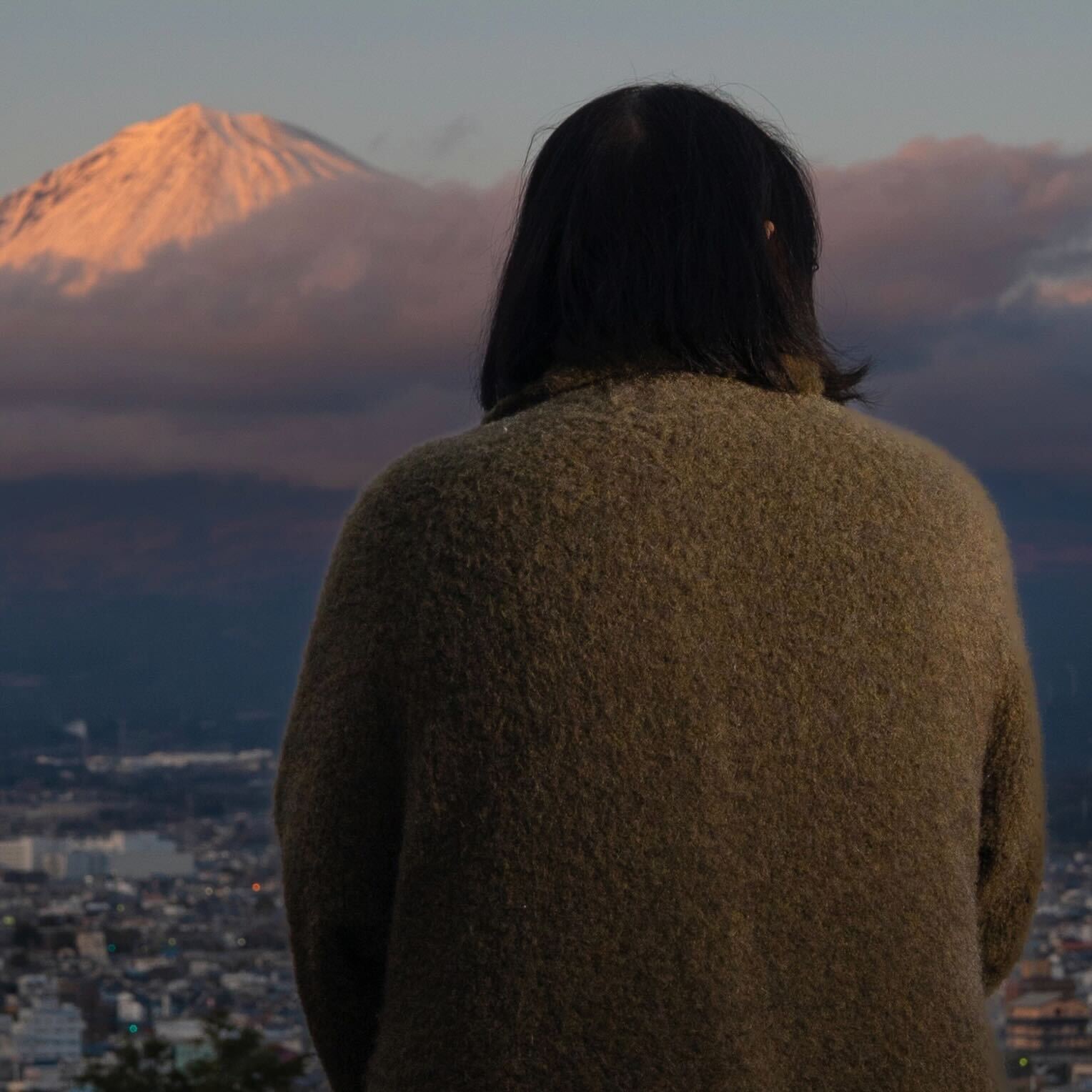
Aishima's wife
My husband was a man of high self-esteem who had always lived his life diligently and honestly. The trial hadn't even taken place yet, and no verdict had been reached. If his bail hadn't been denied at that time, and if he had been able to go to the hospital, he was someone who would have clearly expressed his opinions, and I believe he would have wanted to appear in court and speak his mind fairly and squarely. I still feel so much anger and heartbreak at how such injustice can exist.
I am furious with the court for rejecting my bail requests eight times, knowing that most hospitals would refuse to accept me once I developed cancer and it progressed, even though my detention was suspended.
I desperately wanted my husband to be saved, so I once said, "Even if you have to lie, just admit your guilt and go to the hospital." My husband remained silent. Knowing that he didn't want to live if it meant compromising his beliefs, I never said anything like that again.
I want judges to understand the weight of what is written on a single piece of paper. I strongly hope that they will correct the errors in the current system themselves and transform it into a more mature judiciary.
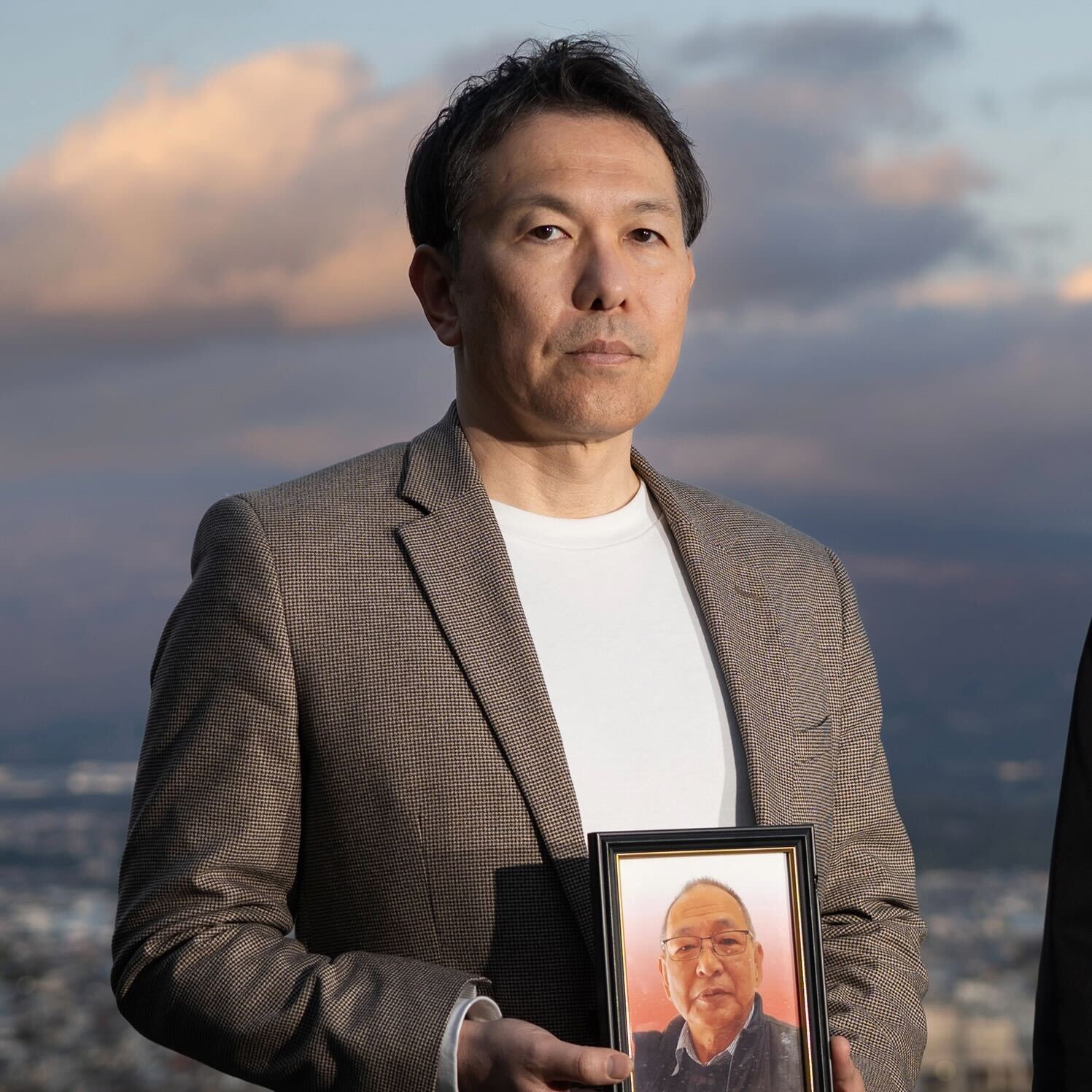
Aishima's eldest son
They committed no crime whatsoever. They were simply exporting their products honestly and in accordance with the rules. Nevertheless, Ohkawara Kakohki wrongful conviction case is an outrageous act that unjustly destroyed the peaceful daily lives of our family.
Later, their despicable and illegal investigation was exposed in court, and the national government and the Tokyo Metropolitan Government offered apologies and compensation. However, a deep, cold anger still swirls in my heart. This is because it was the "judges" who made the decision to imprison my innocent father in a cold cage and deprive him of his freedom. For 11 months, they unjustly bound an honest citizen who had lived by the law. The judges who even deprived my father, whose life was in danger due to stomach cancer, of the opportunity to receive professional treatment remain silent to this day.
If we continue to ignore their irresponsibility, the torture known as "hostage justice" in Japan will never end. I don't want anyone else to ever experience the despair my father went through. Passing on the story of this horrific incident with anger and directly holding the judges accountable is the only way to restore true justice and a healthy society to this country.
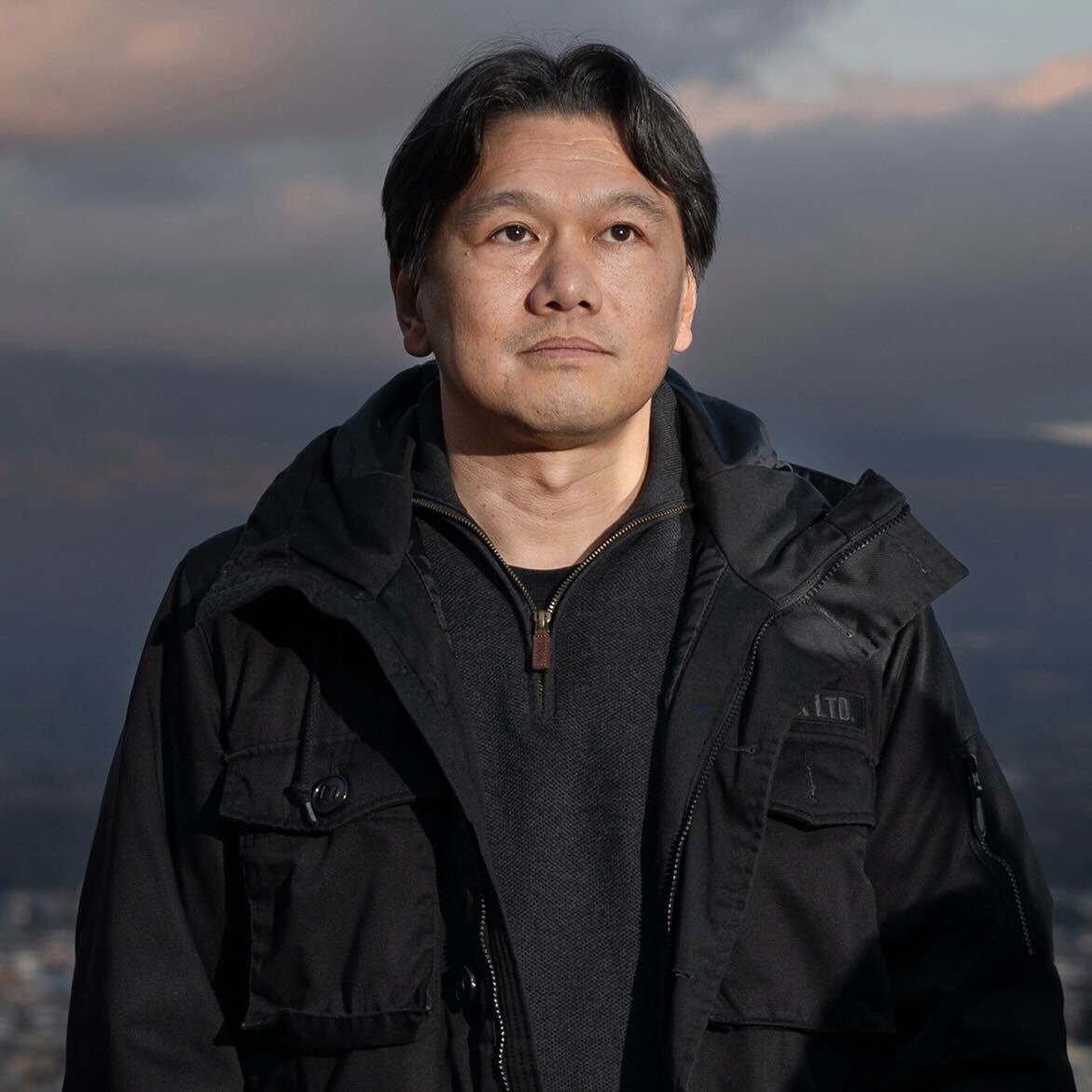
Aishima's second son
My father, Shizuo Aishima, became a victim of a wrongful conviction concerning Japan's export control system. The courts, which should have been the gatekeepers to stop the excesses of investigative agencies, functioned as rubber-stamping bodies, approving the arrest and detention, and continuing the detention even after the indictment. This was the very essence of Japan's "hostage justice," where detention would not be released unless a confession was made.
What was most cruel was when my father was in jail, suffering from advanced cancer and facing a life-threatening situation. As the shadow of death loomed, he, as an engineer, felt his life being whittled down in despair, wondering, "Why can't they understand what's right?" as the physical facts were ignored.
The principle of "investigative action when there is suspicion" is completely contrary to the ideal. Even after winning the state compensation lawsuit and receiving a perfunctory apology from the investigative authorities, the court remains silent.
A judiciary that cannot check the abuse of state power no longer has the capacity for scrutiny. I want to hold the court accountable for my father's death and see it evolve into a "humane judiciary" that will never again allow such a tragedy to happen. I want to pose the last question my father left behind to society.
Social significance
When "hostage justice" is discussed, criticism tends to be directed at law enforcement agencies.
However, the ultimate decision rests with the judges.
An arrest warrant is issued by a judge.
It is the judge who issues the detention order.
It is the judge who decides whether or not to grant the bail request.
If judges properly understand the importance of personal liberty and correctly interpret and apply the Constitution, treaties, and laws, then "hostage justice" would never arise.
Most judges in Japan assume that someone who denies being accused of a crime may hide evidence or flee. There is no presumption of innocence in this case.
From the moment judges determine that there is sufficient suspicion, which is the first requirement for physical restraint, judges presume guilt. If someone is guilty but refuses to admit guilt, they are assumed to be hiding evidence or fleeing in order to escape punishment. The act of an innocent person consulting with those involved in preparation for their defense is viewed as a guilty person colluding to fabricate false testimony in order to escape punishment. As a result, the physical restraint of someone who does not admit guilt is prolonged.
That preconception doesn't change even when the person is diagnosed with a fatal illness. Shizuo was diagnosed with a malignant tumor in October 2020, but he was neither released on bail nor released from custody until he died of stomach cancer the following February.
During this time, not a single judge involved personally canceled the detention; instead, they mechanically extended the detention and denied bail.
Even when the elderly technician had to be hospitalized in a specialized hospital for treatment, the judges continued to believe that Shizuo would flee or destroy evidence.
Shizuo was arrested on completely unfounded charges, and 37 judges continued to deprive him of his physical liberty until his death from stomach cancer. That judgment violates the Constitution, treaties, and laws.
This lawsuit aims to fundamentally reform Japan's criminal justice system, restore the rule of law, put an end to "hostage justice," and prevent victims like Shizuo from ever being created again.
▲Shizuo was finally able to be hospitalized while his detention was suspended. However, he was told by his doctor that he had only a short time left to live (Photo: Provided by the plaintiff)
Messages of support
Masaaki Ohkawara (President and CEO of Ohkawara Kakohki Co., Ltd.)
Despite being arrested and detained for over a year after the forced investigation, following allegations that "the device was in a place where it should not have been," and cooperating with voluntary questioning, he was still arrested and detained. This case should have warranted a suspended sentence, and the prolonged detention was unjust.
His bail requests were denied, and he was physically exhausted from four months of cold meals and interrogations in a detention center. Furthermore, after being transferred to a correctional facility, Mr. Aishima complained of poor health and became ill. He was unable to receive proper treatment, and his bail requests were repeatedly rejected. By the time his detention was suspended, he was in a condition where surgery was not possible.
Only the judge could have saved Mr. Aishima, who continued to believe in his innocence. I want to clarify why it couldn't be stopped and dedicate a more improved version of myself to his grave.
Use of Donations
- Court costs: Actual expenses paid to the court, such as revenue stamp fees (approximately 550,000 yen) and prepaid postage stamps (approximately 10,000 yen).
- Actual costs incurred for collecting materials: fees for copying court documents and fees for various submitted documents, etc.
- Other actual expenses: These include transportation costs for the plaintiff to appear in court, and transportation costs for experts and others to visit the court.
- Event hosting and publicity expenses: We would like to use the donations to cover the costs of events and publicity related to this trial.
- Legal fees, etc.: We intend to use these funds for retainer fees, success fees, and daily allowances for travel expenses for the legal team members.
About the legal team
Takashi Takano (Takano Law Office)
Kyoko Yoshida (same)
Toshiki Nanri (same)
Daisuke Igeta (Miyamura & Igeta Law Office, Secretary General of LEDGE, a general incorporated association)
Seiho Cho (Kollect Arts Law Office)
Motoki Taniguchi (Tokyo Public Law Office, Attorney at Law; Director, LEDGE Association)
Yoshitaka Toda (LEDGE Law Firm)
Koji Joshi(Goto & Shinyu Law Office)
Akihiro Haichi(same)
Takamichi Yanai (Kita-Senju Public Law Office)
About LEDGE
LEDGE is a team of experts specializing in the strategic production of public litigation. This lawsuit is supported by LEDGE (some of the legal team members are LEDGE members).
We also post the latest information on this lawsuit on the official social media accounts listed below, so please follow us if you're interested.

【大川原化工機事件】裁判官の責任を問う訴訟 弁護団
大川原化工機事件で、相嶋静夫さんの身柄を拘束する決定をし続けた、裁判官の判断の責任を問う訴訟の提訴を予定しています。
<弁護団>
高野 隆 (高野隆法律事務所)
吉田 京子(同)
南里 俊毅(同)
井桁 大介(宮村・井桁法律事務所、一般社団法人LEDGE事務局長)
趙 誠峰 (Kollectアーツ法律事務所)
谷口 太規(弁護士法人東京パブリック法律事務所、一般社団法人LEDGE理事)
戸田 善恭(法律事務所LEDGE)
城使 洸司(後藤・しんゆう法律事務所)
拝地 旦展(同)
矢内 太道(北千住パブリック法律事務所)
<連絡先>
井桁大介(弁護団事務局) igeta@mipl.jp
<弁護団>
高野 隆 (高野隆法律事務所)
吉田 京子(同)
南里 俊毅(同)
井桁 大介(宮村・井桁法律事務所、一般社団法人LEDGE事務局長)
趙 誠峰 (Kollectアーツ法律事務所)
谷口 太規(弁護士法人東京パブリック法律事務所、一般社団法人LEDGE理事)
戸田 善恭(法律事務所LEDGE)
城使 洸司(後藤・しんゆう法律事務所)
拝地 旦展(同)
矢内 太道(北千住パブリック法律事務所)
<連絡先>
井桁大介(弁護団事務局) igeta@mipl.jp
あなたにおすすめのケース Recommended case for you



- 外国にルーツを持つ人々 Immigrants/Refugees/Foreign residents in Japan
- ジェンダー・セクシュアリティ Gender/Sexuality
- 医療・福祉・障がい Healthcare/Welfare/Disability
- 働き方 Labor Rights
- 刑事司法 Criminal Justice
- 公正な手続 Procedural Justice
- 情報公開 Information Disclosure
- 政治参加・表現の自由 Democracy/Freedom of Expression
- 環境・災害 Environment/Natural Disasters
- 沖縄 Okinawa
- 個人情報・プライバシー Personal information/Privacy
- アーカイブ Archive
- 全てのケース ALL