引越しで選挙権が制限されない未来へ!訴訟 Lawsuit for a Future Where We Can Move and Still Vote in National Elections
#政治参加・表現の自由
#Democracy/Freedom of Expression
現在の寄付総額 Current Total Raised
278,000円 ¥ 278,000
目標金額 Target amount
1,000,000円 ¥ 1,000,000
サポーター Supporter
244 人 244 supporters
 寄付する
Donate Now
寄付する
Donate Now


私は、2025年1月に東京都内で引越し、同年4月に東京都から京都府に引越しをしました。その結果、東京都・京都府いずれの住所地の選挙人名簿にも登録されず、同年7月に行われた参議院議員選挙において投票することができませんでした。そこで、選挙権が制限されたことを理由に、国家賠償請求訴訟を提起しました。引越しの事実にかかわらず、すべての国民が確実に国政選挙に参加できる未来を勝ち取りたいと考えています。 I moved within Tokyo in January 2025 and then moved from Tokyo to Kyoto in April of the same year. As a result, my name was not registered on the electoral rolls in either Tokyo or Kyoto, and I was unable to vote in the House of Councillors election held in July 2025. I have therefore filed a national compensation lawsuit on the grounds that my voting rights were restricted. I hope to help secure a future in which all citizens can reliably participate in national elections, regardless of whether they have recently moved.
【寄付募集開始にあたって】
本件訴訟は、引越しによって選挙権の行使が制限される現行制度の問題を問うものです。
本件訴訟については、原告がこれまで司法修習中であったことから寄付の募集を控えておりましたが、このたび寄付募集を開始いたしました。
これまで本件訴訟について応援のメッセージをくださった皆さまに、あらためて感謝申し上げます。
本訴訟にご関心をお持ちいただけましたら、可能な範囲でご支援をいただけますと幸いです。
はじめに
あなたは、引越しをしたことがありますか。
あるいは、今後、引越しをする予定はありますか。
実は、3ヶ月以内に2回以上の引越しをすると国政選挙で投票できなくなってしまう場合があるのです。
実際、私は2025年7月の参議院議員選挙で投票することができませんでした。
そこで、選挙権が制限されたことを理由に、国家賠償請求訴訟を提起しました。
もしかしたらあなたも、引越しによって選挙に参加できなくなるかもしれません。
この訴訟は、≪引越しで選挙権が制限されない未来≫を勝ち取るための訴訟です。
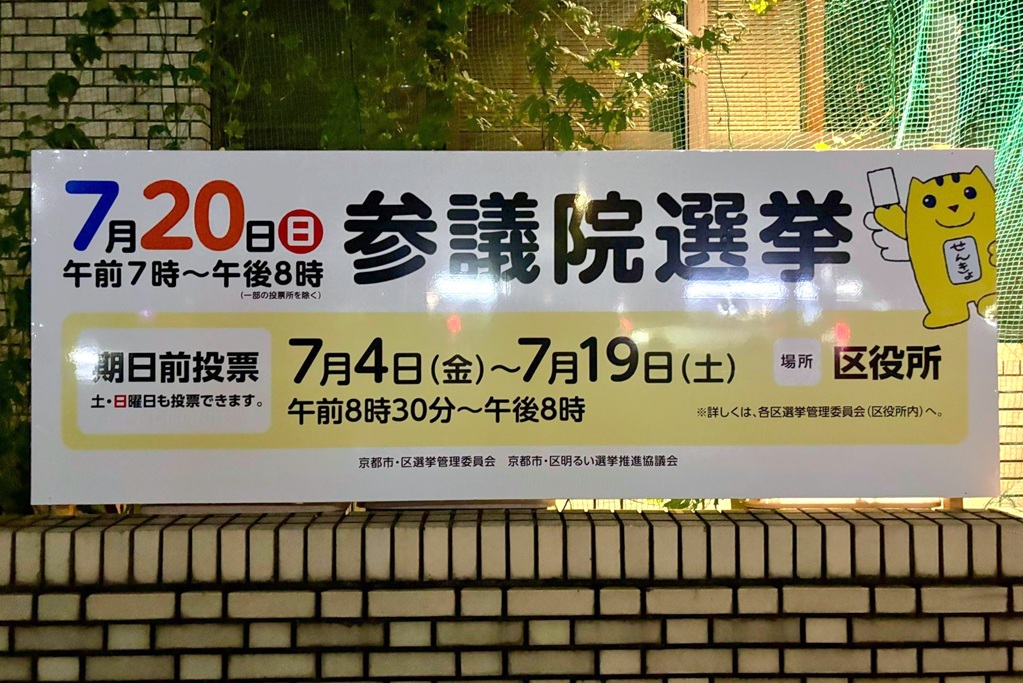
▲2025年7月に行われた参議院議員選挙の看板
事案の概要
私は、2025年1月に東京都A区から東京都B区に引越し、同年4月に東京都B区から京都府C市に引越しました。これらの転居により、第27回参議院議員選挙の基準日時点で、いずれの住所地の選挙人名簿にも登録されず、同年7月20日に行われた同選挙で投票することができませんでした。
いまの法制度では、引越しを繰り返すと、どこの選挙人名簿にも登録がされず、選挙で投票できなくなってしまうことがあります。このような法制度には問題があるとしか言いようがありません。
私が参議院議員選挙に参加できなかったのは、国会が適切に法律を整備していなかったからです。国会は、遅くとも8年前にはこの問題に気付いていたにもかかわらず、必要な法改正を怠り続けました。そこで、今回、国家賠償請求訴訟を提起しました。
これまでの経緯
私は2022年に、実家から当時の一人暮らしの住所地に住民票を移しました。
その後、2023年にロースクールを修了し、2024年の司法試験に合格しました。2025年現在は司法修習生として法曹になるための研修を受けています。
司法修習開始前の2025年1月に、それまでの住まいの賃貸借期間が満了することになりました。そのタイミングで、司法研修所にアクセスしやすい場所に引越しをしました。
その年の4月には、修習制度の一環で、最高裁判所の指定する実務修習地である京都に引越しをしました。
それぞれの引越しにおいて、住民票の移転を行いました。
数か月しか住まないところになぜ住民票を移したのかと尋ねられることがありますが、私は、生活の実態に合わせて住民票を移したにすぎません。それなのに、国政選挙で投票することができなくなってしまったのです。
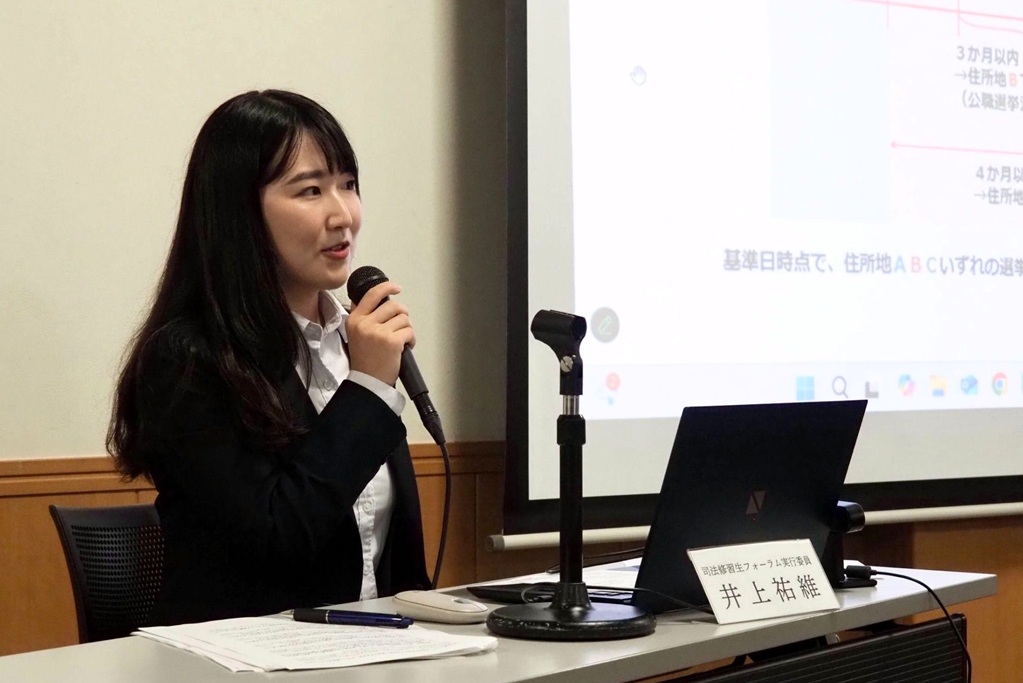
▲原告が、2025年10月12日「第78期司法修習生フォーラム」分科会「選挙権はだれのものか」で本事案について報告をしている様子
裁判で主張していること
私がこの裁判で主張していることは、主に、①、②、③、④の4つです。
◆ 前提:選挙で投票するために必要とされる「3か月要件」
選挙で投票するためには、あらかじめ「選挙人名簿」に登録されている必要があります。そして、現在の制度では、住民票が記録されてから3か月が経過しないと名簿に登録されません(これが「3か月要件」です)。
さらに、転出後4か月が経過すると、これまで登録されていた名簿から抹消されてしまいます。
そのため、短期間に A市 → B市 → C市 と転居した場合、次のような状況となることがあります。
A市: 転出から4か月経過 → 名簿から抹消
B市: 住民票の記録期間が3か月未満 → 名簿に登録されない
C市: 転入後3か月未満 → 名簿に登録されない
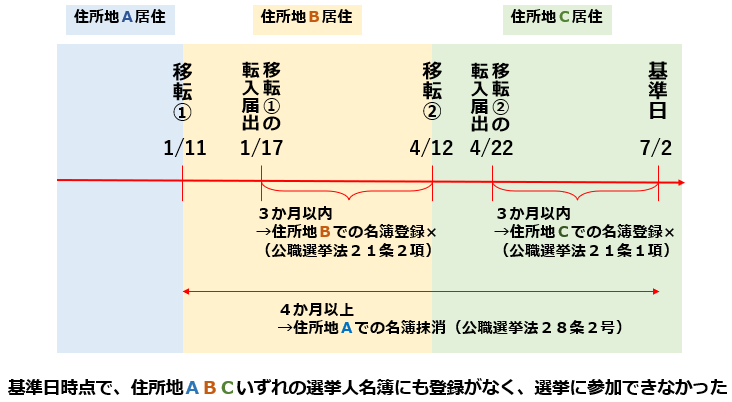
こうして、どの名簿にも登録されない空白期間が生じ、その間に選挙の基準日が設定されていると選挙で投票できません。
今回、私が参議院議員選挙で投票できなかったのも、この空白期間に基準日が重なったためです。
① 国政選挙の選挙権の制限は、原則として許されない
国政選挙の選挙権は、憲法によって保障された重要な権利です。
やむを得ない理由がある場合を除き、選挙権の行使が制限されることは許されません。
今回のような選挙権行使の制限が、やむを得ない理由に基づくものといえないことは、次に述べる②、③から明らかです。
② 国政選挙での投票に「3か月要件」を課すべきでない
地方選挙の選挙権は、その地域に3か月住所を有している者に与えられます。これは、地方選挙では、地域との地縁的関係が重視されるためと考えられます。この要件に合わせて、選挙人名簿にも3か月要件が設けられています(この点は国会答弁でも確認されています。)。
現在の制度では、国政選挙と地方選挙で共通の選挙人名簿が使用されています。
そのため、住民票の記録が3か月に満たない場合には、事実上、国政選挙の選挙権を行使できない仕組みになっています。国政選挙の選挙権は満18歳以上のすべての国民に認められている権利である以上、その行使は、地方選挙のために設けられた要件に左右されるべきではありません。
③ 同一都道府県内で転居している場合に「3か月要件」を課すべきでない
1990年に住民基本台帳ネットワークが整備され、行政が引越しの事実を把握することは容易になりました。特に、同一都道府県内の複数回の転居について、行政が正確に把握でき、その前後の期間を通算して捉えられることは、2016年の法改正により明らかになりました。
私の1回目の転居は東京都内での転居でした。
同一都道府県内での移転であれば、事務処理上、前後の居住期間を通算し、その最後の居住地の転出から4か月を経過した後に、選挙人名簿から抹消することは可能だったといえます。現行制度は、同一都道府県内での転居であっても、居住期間を通算していない点で、問題があるといえます。
④ 国は8年以上前から問題を認識していたのに、放置してきた
国は遅くとも8年以上前に、この問題─複数回転居した人が国政選挙で投票できないこと─を把握していました。これは、2016年の公職選挙法改正の趣旨や審議中に示された議員の発言から明らかです。
しかし、制度の改善は行われないまま今日に至っています。今回、私が選挙権を行使できなかったのは、国会が問題を認識しながら必要な法改正を行わなかったためです。
社会的意義
この問題は、複数回転居すれば、誰でも、何回でも、当事者になりうるものです。
国政選挙の選挙権は、すべての国民に認められているにもかかわらず、現在の制度のままでは、生活実態に合わせて住民票を移しただけで、その権利が制限されてしまいます。
現代では、進学、転学、就職、転勤、婚姻、離婚、介護など、さまざまな事情から短期間で複数回転居をすることは特別ではなくなっています。つまり、この問題は「特定の人の一度きりの不運」ではなく、広く国民に影響する社会全体の問題です。
本件訴訟は、このような制度上の問題を示し、誰もが政治参加できる制度へと改善を促すための重要な一歩です。国政選挙への参加は民主主義の根幹に関わるものであり、この問題は決して他人事ではありません。より多くの方が確実に選挙に参加できる社会を実現するために、本件訴訟には大きな社会的意義があると考えています。
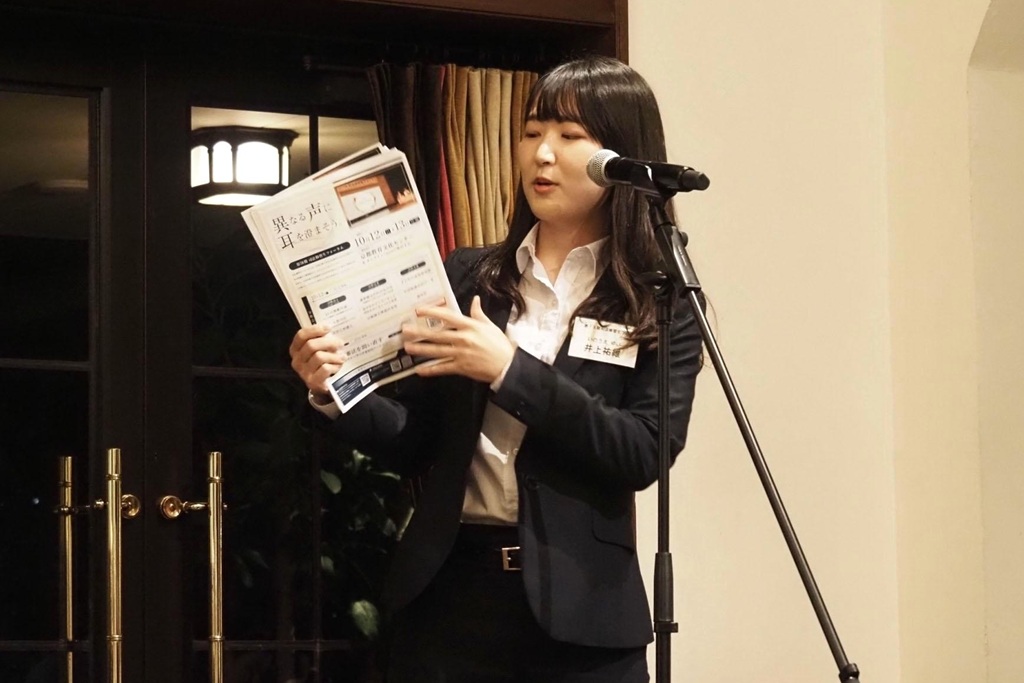
▲原告が、実務修習地にて「第78期司法修習生フォーラム」の宣伝をしている様子
寄付金の使途
皆さまからいただいた寄付金は、主に以下の費用に充てさせていただく予定です。
訴訟費用:印紙代・コピー代などの実費費用。
意見書費用:憲法学者等の専門家に意見書を執筆していただくために要する費用。
リサーチ費用:転居による選挙権制限に関する海外法制の調査など、文献の取寄せや翻訳作業などを伴うリサーチに要する費用。
弁護団の先生などの交通費:弁護団の先生や専門家の方などに裁判所にお越しいただく際の交通費。
イベント開催・広報費用:この訴訟に関するイベントや広報費用。
弁護士費用等:寄付金が余った場合は、全額を弁護団の先生にお渡しする予定です。皆さまからいただいた寄付金が、私個人の手元に残ることはありません。
原告の思い
今回、どうがんばっても法的に投票が許されないことがあることを知り、大きな戸惑いを覚えました。
私は大学時代、当初は実家に住民票を残していましたが、現実に居住していない実家の住所地で投票しなければならないことや、現実に居住している住所地では投票できないことに違和感を覚え、政治参加のあり方を見つめ直し、選挙への参加の便宜も考えた結果、生活実態に会わせて住民票を移しました。これまで国政選挙で投票をしてきましたし、今回の参議院議員選挙でも投票するつもりでした。今回、居住地に合わせて住民票を移しただけで政治参加の機会を奪われた事態を受け入れられませんでした。
選挙管理委員会からは、私のように短期間に何度も転居する忙しい人が選挙に参加することは難しいと言われました。引越しを何度も行う人は、社会に溶け込めないから選挙権を行使できなくてもいいと決めつけられていると感じました。投票できなかったことで、社会的な関わりから疎外され、私の価値が否定されているように感じました。選挙権の行使の機会を奪うことは、人の尊厳を否定する深刻な問題です。
これまでも、私と同じように選挙権を制限され、制度に疑問を抱いたうえで諦めざるを得なかった方もいると思います。そのような方々のことを思うと、この問題を社会に示すことは、司法にアクセスし易い立場にある、私の責務であると感じました。
いまの制度が続く限り、今後も一定数の国民が選挙権を行使できない事態が繰り返されます。この問題を見過ごすことは絶対にできません。
短期間で複数引越しをしたことがあるという方や、実際に国政選挙で選挙権を行使できなかったことがある方がいらっしゃいましたら、ご連絡をいただけますと幸いです。
弁護士のメッセージ
私たちの社会には、共に守るべき「約束」があります。
スーパーマーケットで買い物をする時には、代金を支払って商品を受け取る。自動車は左側を通行する。親は子どもを学校に通わせる。結婚が男女間のものであることも、私たちが税金を支払うのも、夫婦が同じ名字を名乗るのも、すべてこの社会の「約束」です。
こうした「約束」こそが法律です。私たちは法律という形で、社会の成り立ちをあらかじめ取り決めているのです。約束とは、本来、互いが納得して作るものです。誰かだけに任された取決めは、本当の意味での約束とは言えません。
仕事や家庭の事情で転居を繰り返す人たちが選挙に参加できないのなら、この社会の約束の作り方は不公平です。法律が描く社会が誰にとっても公平なものであるように、まずは選挙の仕組みを公平なものにしたい。その実現のために、ぜひ力を貸していただけたらと思います。
弁護士 吉田京子
代理人弁護士の紹介
吉田 京子(第二東京弁護士会)
井桁 大介(第二東京弁護士会)
韓 泰英(第二東京弁護士会)
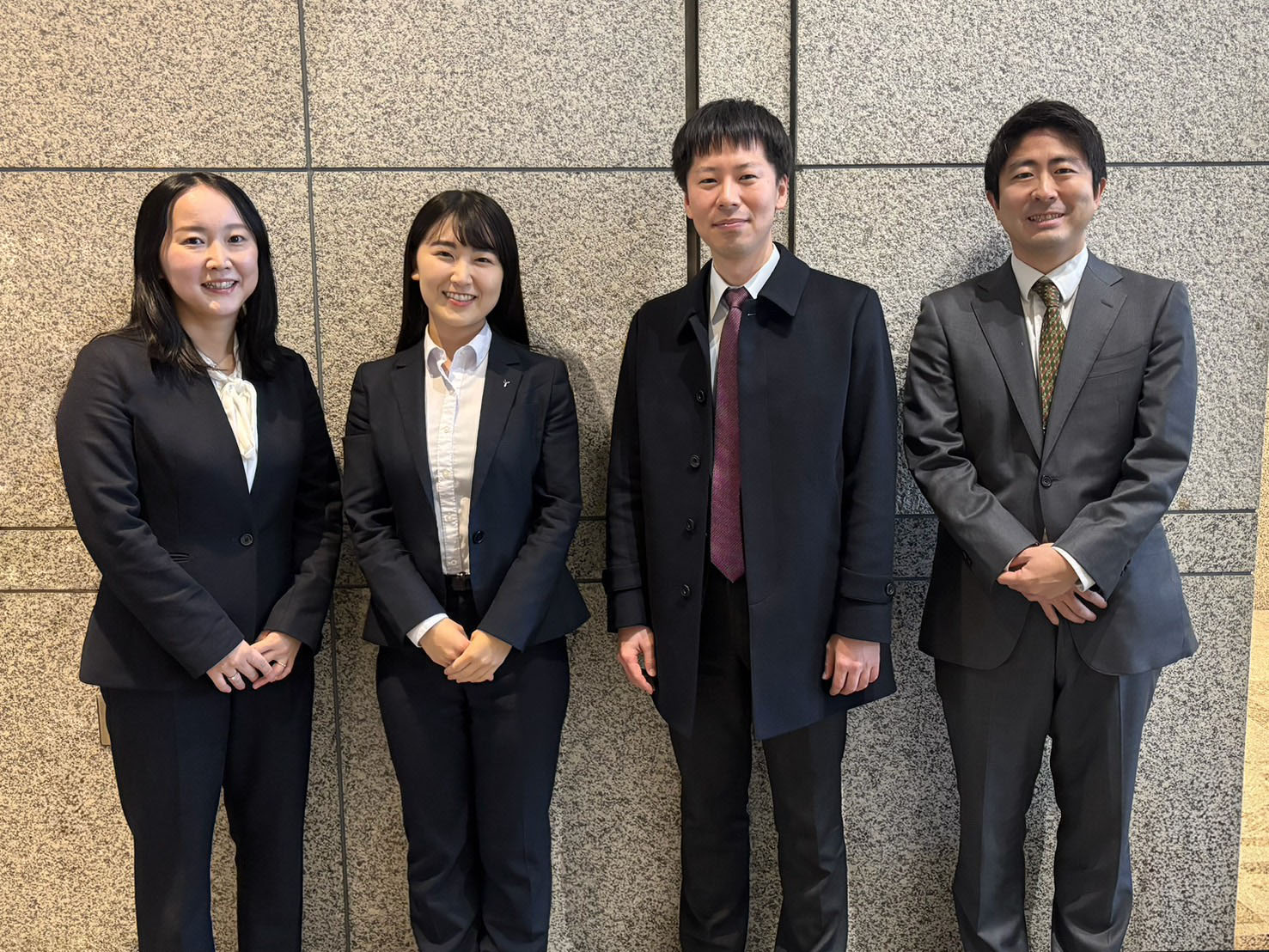
▲左から、吉田弁護士、原告井上祐維、韓弁護士、井桁弁護士
おわりに
この訴訟は、すべての国民の選挙権がきちんと守られ、民主主義が正しく機能する社会を実現するためのものです。
皆さまからのご理解が、この問題を社会に届け、制度をより良くしていく力になります。
訴訟を通じて、公正な選挙制度の実現に向けて取り組んでまいります。
*Translated by Google translate
[Regarding the start of fundraising]
This lawsuit concerns the problems with the current system, which restricts the exercise of voting rights due to relocation.
Regarding this lawsuit, we had refrained from soliciting donations until now because the plaintiff was undergoing legal training, but we have now begun soliciting donations.
I would like to express my sincere gratitude once again to everyone who has sent messages of support regarding this lawsuit.
If you are interested in this lawsuit, we would appreciate any support you can provide to the extent possible.
Introduction
Have you ever moved?
Or, do you have any plans to move in the future?
Actually, if you move more than twice within a three-month period, you may become ineligible to vote in national elections.
In fact, I was unable to vote in the House of Councillors election in July 2025.
Therefore, I filed a lawsuit seeking state compensation on the grounds that my right to vote had been restricted.
You too might be unable to participate in elections due to moving.
This lawsuit is aimed at winning a future where moving does not restrict one's right to vote .
▲Signboard for the House of Councillors election held in July 2025
Summary of the case
I moved from Ward A in Tokyo to Ward B in Tokyo in January 2025, and then moved from Ward B in Tokyo to City C in Kyoto Prefecture in April of the same year. Due to these moves, I was not registered on the voter register of either of my addresses as of the cutoff date for the 27th House of Councillors election, and therefore was unable to vote in the election held on July 20 of the same year.
Under the current legal system, if you move repeatedly, you may not be registered on any electoral roll and may be unable to vote in elections. There is no other way to describe this legal system than problematic.
The reason I was unable to participate in the House of Councillors election was because the Diet had not properly enacted the necessary laws. Despite the Diet being aware of this problem at least eight years ago, they continued to neglect the necessary legal amendments. Therefore, I have now filed a lawsuit seeking state compensation.
Background
In 2022, I moved my registered address from my parents' home to my then-own address where I was living alone.
After that, I completed law school in 2023 and passed the bar exam in 2024. As of 2025, I am undergoing training as a legal apprentice to become a legal professional.
In January 2025, before the start of my legal training, my lease on my previous residence expired. At that time, I moved to a location that was more convenient for accessing the Legal Training and Research Institute.
In April of that year, as part of the legal apprenticeship program, I moved to Kyoto, which is a practical training location designated by the Supreme Court.
I changed my registered address with each of my moves.
I'm sometimes asked why I moved my residency registration to a place where I'd only be living for a few months, but I simply moved it to reflect my actual living situation. Despite this, I've become unable to vote in national elections.
▲The plaintiff presents a report on this case at the "Whose Right to Suffrage Is It?" breakout session of the "78th Judicial Apprentices Forum" on October 12, 2025.
What they are claiming in court
My main arguments in this trial are the following four points: ①, ②, ③, and ④.
◆ Premise: The "three-month requirement" necessary to vote in an election.
In order to vote in an election, you must be registered on the "voter register" beforehand. Under the current system, you will not be registered on the register until three months have passed since your resident registration was established (this is the "three-month requirement").
Furthermore, after four months have passed since you moved out, your name will be removed from the list of registered names.
Therefore, if you move from City A to City B to City C in a short period of time, the following situations may occur.
City A: Four months have passed since moving out → Removed from the register
City B: Resident registration period is less than 3 months → Not registered in the roster
City C: Less than 3 months after moving in → Not registered on the roster
This creates a gap in the voting list during which a person is not registered, and if the election cutoff date falls within that period, they cannot vote in the election.
The reason I was unable to vote in the recent House of Councillors election was because the voting period coincided with this gap in my voting history.
① Restrictions on the right to vote in national elections are, in principle, not permitted.
The right to vote in national elections is an important right guaranteed by the Constitution.
Except in cases of unavoidable circumstances, the exercise of the right to vote should not be restricted.
It is clear from points ② and ③ below that the restrictions on the exercise of voting rights in this case cannot be said to be based on unavoidable circumstances.
② A "three-month requirement" should not be imposed on voting in national elections.
The right to vote in local elections is granted to those who have resided in the area for three months. This is thought to be because local ties are considered important in local elections. In line with this requirement, a three-month residency requirement is also set for the voter registration list (this point has also been confirmed in parliamentary responses).
Under the current system, a common electoral register is used for both national and local elections.
Therefore, if a person's resident registration record is less than three months old, they are effectively unable to exercise their right to vote in national elections. Since the right to vote in national elections is a right granted to all citizens aged 18 and over, its exercise should not be influenced by the requirements established for local elections.
③ The "three-month requirement" should not be imposed when a person moves within the same prefecture.
With the establishment of the Basic Resident Register Network in 1990, it became easier for the government to track people's moves. In particular, the 2016 legal amendment made it clear that the government can accurately track multiple moves within the same prefecture and consider the periods before and after those moves together.
My first move was within Tokyo.
In the case of relocation within the same prefecture, it was possible, for administrative purposes, to total the periods of residence before and after the move and remove the person from the voter register four months after the last place of residence. The current system is problematic because it does not total the periods of residence even when relocating within the same prefecture.
④ The government had been aware of the problem for over eight years, but neglected to address it.
The government was aware of this issue—that people who have moved multiple times are unable to vote in national elections—at least eight years ago. This is evident from the intent behind the 2016 amendment to the Public Offices Election Act and from the statements made by lawmakers during the deliberations.
However, no improvements have been made to the system, and this situation continues to this day. The reason I was unable to exercise my right to vote this time is because the Diet recognized the problem but failed to make the necessary legal amendments.
social significance
This is a problem that anyone can become involved in multiple times, especially if they move multiple times.
Although the right to vote in national elections is granted to all citizens, under the current system, simply moving one's residence registration to reflect their actual living situation can restrict that right.
In modern times, it's no longer unusual for people to move multiple times in a short period due to various reasons such as entering higher education, changing schools, finding a job, being transferred, getting married, getting divorced, or caring for elderly family members. In other words, this issue is not just a one-time misfortune for a specific person, but a societal problem that affects the entire nation.
This lawsuit highlights these systemic problems and represents an important step towards improving the system to allow everyone to participate in politics. Participation in national elections is fundamental to democracy, and this issue is not something that can be ignored. We believe this lawsuit has great social significance in realizing a society where more people can reliably participate in elections.
▲The plaintiff is shown promoting the "78th Judicial Trainee Forum" at his practical training site.
Use of Donations
The donations we receive from everyone will be used primarily for the following expenses.
Court costs: Actual expenses such as stamp duty and photocopying fees.
Fees for opinion papers: These are the costs incurred to have experts such as constitutional scholars write opinion papers.
Research expenses: Costs incurred for research involving obtaining documents and translation work, such as researching overseas laws regarding restrictions on voting rights due to relocation.
Transportation expenses for lawyers and other legal professionals: Transportation expenses for lawyers and other experts who come to the court.
Event hosting and publicity expenses: Expenses for events and publicity related to this lawsuit.
Legal fees, etc.: If there are any remaining donations, I plan to give the entire amount to the lawyers on the legal team. None of the donations I receive will remain in my personal possession.
Plaintiff's thoughts
I was deeply confused to learn that there are times when, no matter how hard you try, you are not legally allowed to vote.
During my university years, I initially kept my residency registration at my parents' home. However, I felt uncomfortable having to vote at my parents' address, where I didn't actually live, and not being able to vote at my actual place of residence. This led me to re-examine my approach to political participation and, considering the convenience of election participation, I moved my residency registration to reflect my actual living situation. I have voted in national elections up until now, and I intended to vote in this House of Councillors election as well. I could not accept being deprived of the opportunity to participate in politics simply because I moved my residency registration to reflect my place of residence.
The election commission told me that it would be difficult for someone as busy as me, who moves frequently in a short period of time, to participate in the election. I felt like they were assuming that people who move often are unable to integrate into society and therefore don't deserve to exercise their right to vote. Because I couldn't vote, I felt alienated from social interaction and that my worth was being denied. Depriving people of the opportunity to exercise their right to vote is a serious problem that denies human dignity.
I believe there have been others, like me, whose voting rights have been restricted, who have had to give up after questioning the system. Thinking of such people, I felt it was my responsibility, given my position of having easy access to the judiciary, to bring this issue to public attention.
As long as the current system remains in place, a certain number of citizens will continue to be unable to exercise their right to vote. This problem absolutely cannot be overlooked.
If you have moved multiple times in a short period of time, or if you have actually been unable to exercise your right to vote in a national election, please contact us.
Message from the lawyer
Our society has "promises" that we must keep together.
When you shop at a supermarket, you pay for your goods and receive them. Cars drive on the left side of the road. Parents send their children to school. Marriage being between a man and a woman, us paying taxes, and married couples sharing the same last name—all of these are "agreements" of this society.
These kinds of "promises" are what constitute laws. We pre-determine the structure of society through laws. A promise, by its very nature, is something made with mutual agreement. An agreement left solely to one person cannot be considered a true promise.
If people who have to move frequently due to work or family circumstances are unable to participate in elections, then the way society makes its promises is unfair. To ensure that the society envisioned by law is fair for everyone, we must first make the election system fair. I would greatly appreciate your support in achieving this.
Lawyer Kyoko Yoshida
Introduction of a lawyer representing you
Kyoko Yoshida (Second Tokyo Bar Association)
Daisuke Igeta (Second Tokyo Bar Association)
Han Tae-young (Second Tokyo Bar Association)
▲From left: Attorney Yoshida, Plaintiff Yui Inoue, Attorney Han, Attorney Igeta
In conclusion
This lawsuit aims to create a society where all citizens' right to vote is properly protected and democracy functions correctly.
Your understanding will help bring this issue to the attention of society and improve the system.
Through litigation, we will work towards realizing a fair electoral system.

井上祐維
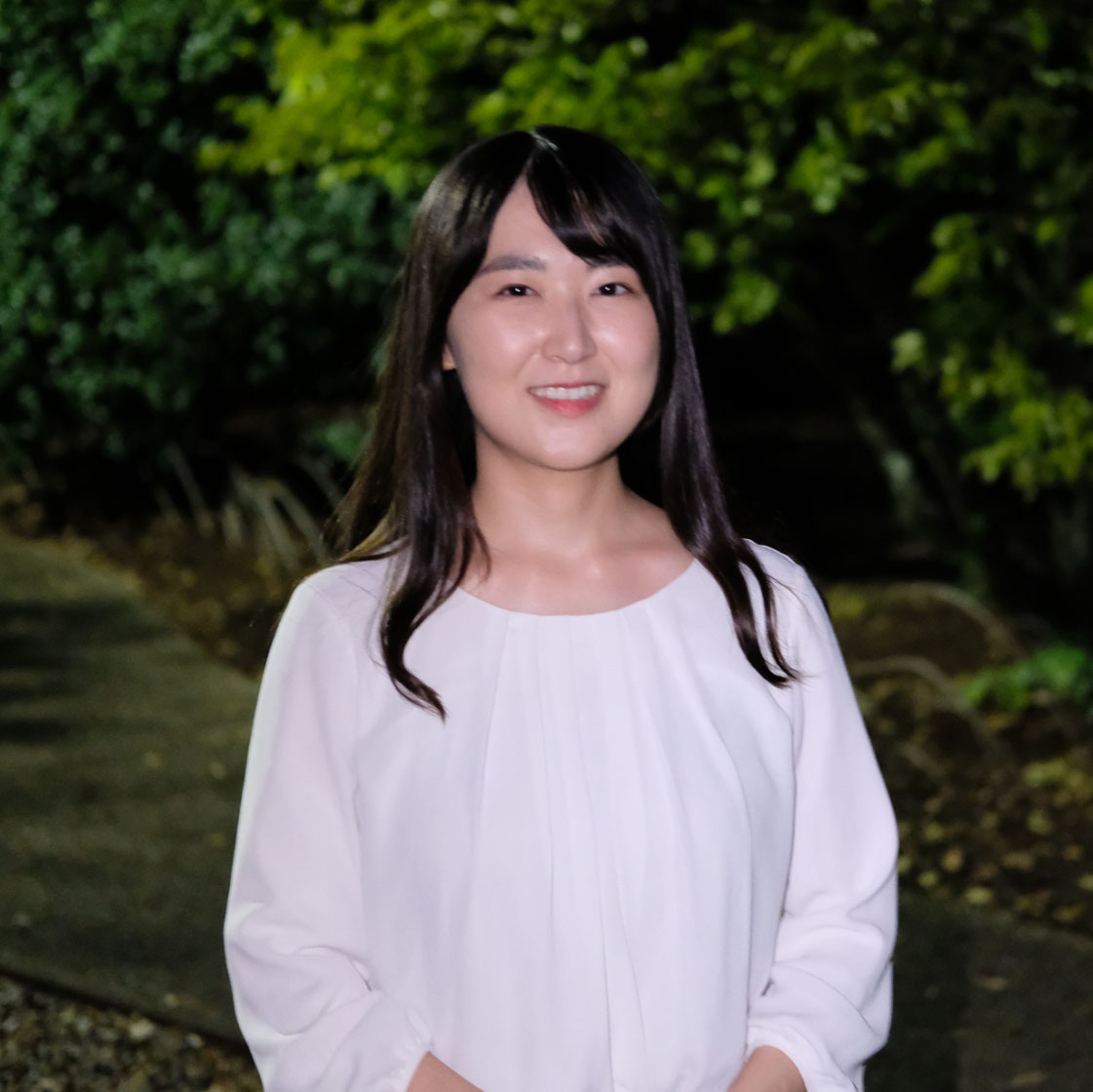
慶應義塾大学法科大学院を修了後、司法試験に合格。本件提訴の当時(2025年)、第78期司法修習生。現在は弁護士。2025年に2度引越しをしたところ、2025年7月の参議院議員選挙で投票することができませんでした。国内にずっと住んでいるにもかかわらず、引越しをしただけで、国政選挙に参加できなくなるというのは、不合理なことだと思います。この問題を社会に示したいと思い、訴訟を提起しました。
あなたにおすすめのケース Recommended case for you



- 外国にルーツを持つ人々 Immigrants/Refugees/Foreign residents in Japan
- ジェンダー・セクシュアリティ Gender/Sexuality
- 医療・福祉・障がい Healthcare/Welfare/Disability
- 働き方 Labor Rights
- 刑事司法 Criminal Justice
- 公正な手続 Procedural Justice
- 情報公開 Information Disclosure
- 政治参加・表現の自由 Democracy/Freedom of Expression
- 環境・災害 Environment/Natural Disasters
- 沖縄 Okinawa
- 個人情報・プライバシー Personal information/Privacy
- アーカイブ Archive
- 全てのケース ALL