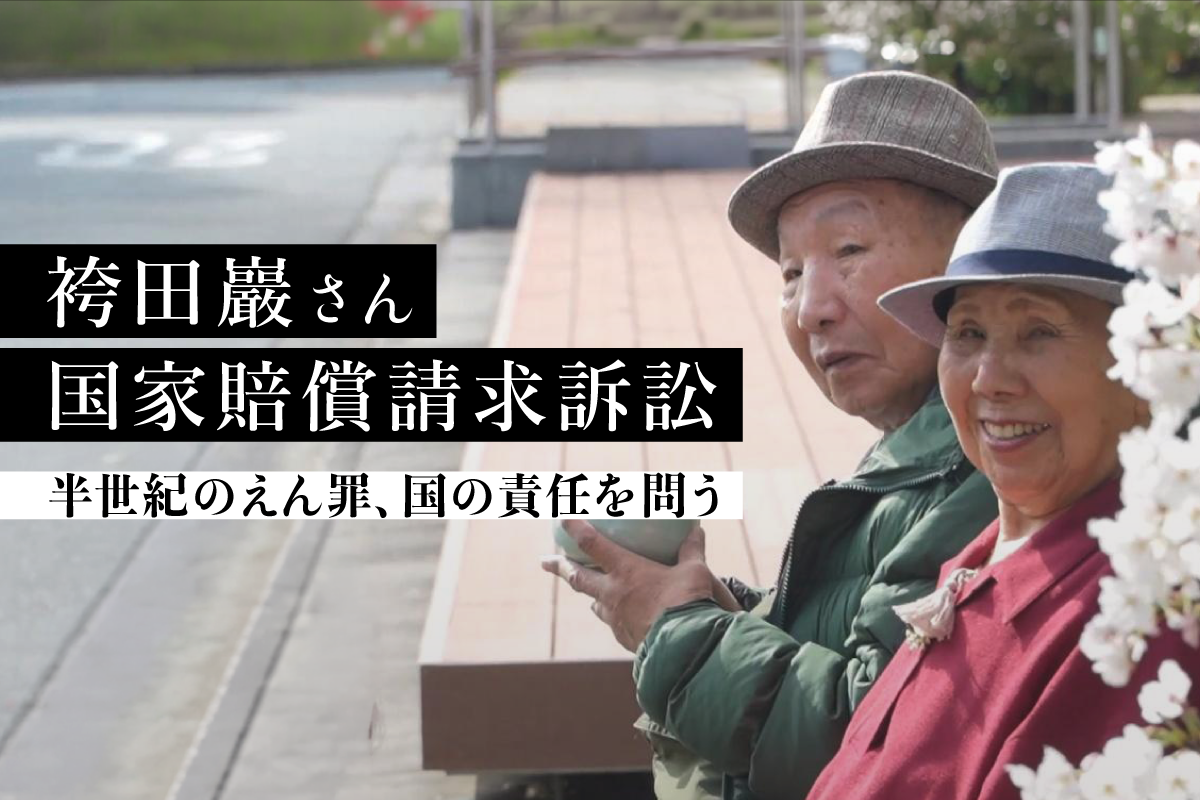
袴田巌さん国家賠償請求訴訟 ―半世紀のえん罪、国の責任を問う State Liability for the Half-century Wrongful Conviction on Death Row - State Compensation Lawsuits of Iwao Hakamada
#刑事司法
#Criminal Justice
#公正な手続
#Procedural Justice
現在の寄付総額 Current Total Raised
623,500円 ¥ 623,500
目標金額 Target amount
3,000,000円 ¥ 3,000,000
サポーター Supporter
73 人 73 supporters
 寄付する
Donate Now
寄付する
Donate Now


2024年9月26日、袴田巖さんは逮捕から58年という長い闘いの末、再審無罪となりました。
しかし、死刑の恐怖にさらされ、47年7か月に及んだ拘束は巖さんの心を蝕み、現在も重い拘禁反応は続いています。
今回、弁護団はえん罪、そして名誉棄損と2件の国家賠償請求訴訟を提訴しています。取り返しのつかない形で人生を奪うえん罪を二度と起こさないためにも、捜査や国家機関の在り方の見直しを求めます。
On September 26, 2024, Iwao Hakamada was acquitted in a retrial after a long 58-year battle. However, the fear of the death penalty and 47 years and 7 months of detention took a toll on his mind, and he continues to suffer from severe detention-related stress. His legal team has filed two lawsuits seeking state compensation: one for wrongful conviction and another for defamation. By scrutinizing the rules and practices of investigation and institutions, these lawsuits also help make sure that such irreparable harms on life and dignity would not be repeated.
はじめに
巖さんの失われた58年は取り返しがつきません。
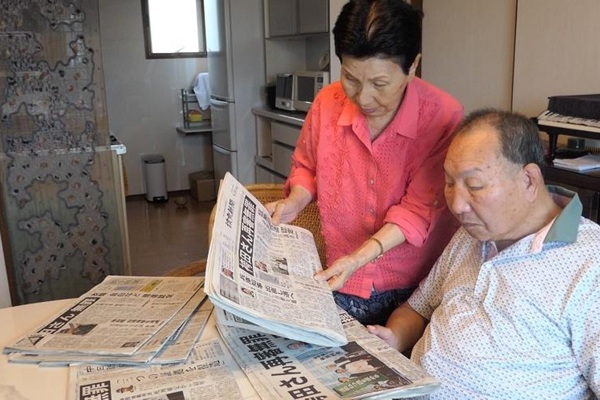
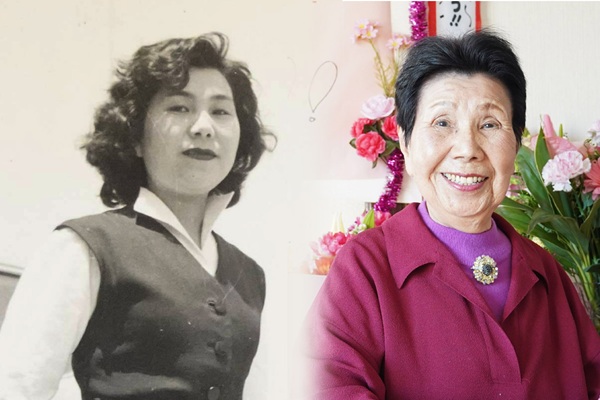
巖さんの姉袴田ひで子さんは、自分の人生を犠牲にして、再審無罪までの58年間、巖さんを支え続けてきました。
ひで子さんの失われた人生も取り返しがつきません。
現在、巖さんは90歳、ひで子さんは93歳です。
巖さんと、ひで子さんがえん罪に巻き込まれたのは58年も前のことだからなのでしょうか?
巖さんのえん罪事件は、再審無罪判決によって解決した話といえるのでしょうなのか?
そんなことはありません。
巖さんのえん罪事件には、現在も続く刑事司法の問題が多く詰まっています。
私たち弁護団は、二つの国家賠償請求訴訟を通して、58年前から今も続く刑事司法の問題点を明らかにしていきます。
二度と巖さん、ひで子さんと同様の悲劇を繰り返させてはなりません。
事案の概要
巖さんは、1966(昭和41)年6月に発生した強盗殺人、放火事件のえん罪被害者です。巖さんは逮捕されたあと無実を訴えました。しかし、捜査機関の非人道的な取調べに屈し、一度は虚偽の自白をしてしまいます。その後の裁判では一貫して無罪を訴えてきました。上告棄却により死刑判決が確定したあと、巖さんは、死刑の恐怖にさらされた長年の拘束により、拘禁反応を発症します。自分の世界に閉じこもるようになり、「事件はない」などと述べ、弁護人との接見にも応じなくなっていきました。
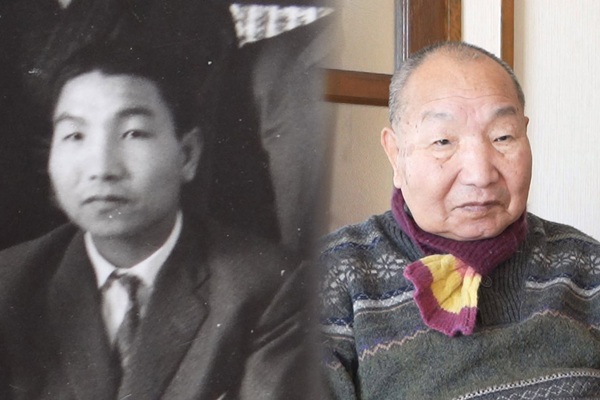
2014(平成26)年3月、裁判所は、再審開始を決定しました。また、死刑の執行停止とともに、拘置の執行も停止し、巖さんは釈放されました。逮捕から47年7か月ぶりの釈放でした。逮捕されたとき30歳だった巖さんは78歳になっていました。
再審開始決定に対する検察官の不服申立により、巖さんがえん罪を晴らすまでには長期間を要します。最終的に再審開始が確定したのは2023(令和4)年3月です。その後、再審公判にも約1年7か月を要します。2025(令和6)年9月、裁判所は巖さんに無罪を宣告しました。雪冤まで58年、巖さんは88歳になっていました。
えん罪を生んだのは捜査機関による違法な捜査、そして証拠の隠蔽やねつ造です。また、裁判所による誤った判断です。えん罪国家賠償請求訴訟では、えん罪を生んだ警察、検察、裁判所の違法行為を糺します。
また、検察は、再審無罪判決後、巖さんを犯人視する検事総長談話を公表しました。名誉毀損国家賠償請求訴訟では、えん罪を生んだ張本人でありながら、自らの過ちを省みない検察の違法を糺します。
これまでの経緯
| 1966(昭和41)年6月30日 | 被害者宅が全焼し一家4名の遺体が見つかる |
| 1966(昭和41)年8月18日 | 巖さん逮捕 |
| 1966(昭和41)年9月9日 | 巖さん住居侵入、強盗殺人、放火で起訴 |
| 1967(昭和42)年8月31日 | みそタンク内で5点の衣類が発見される |
| 1968(昭和43)年9月11日 | 確定第一審判決 |
| 1976(昭和51)年5月18日 | 控訴棄却 |
| 1980(昭和55)年11月19日 | 上告棄却 |
| 1981(昭和56)年4月20日 | 第1次再審請求 |
| 1994(平成6)年8月8日 | 第1次再審請求棄却 |
| 2004(平成16)年8月26日 | 即時抗告棄却 |
| 2008(平成20)年3月24日 | 特別抗告棄却 |
| 2008(平成20)年4月25日 | 第2次再審請求 |
| 2014(平成26)年3月27日 | 再審開始決定・死刑及び拘置の執行停止 巖さん釈放 |
| 2018(平成30)年6月11日 | 原決定取り消し、再審開始棄却 |
| 2020(令和2)年12月22日 | 原決定取り消し、差戻し |
| 2023(令和5)年3月13日 | 即時抗告棄却 |
| 2023(令和5)年10月27日 | 第1回再審公判 |
| 2024(令和6)年5月22日 | 第15回再審公判(結審) |
| 2024(令和6)年9月26日 | 無罪判決 |
| 2024(令和6)年10月8日 | 検事総長談話公表 |
| 2024(令和6)年10月9日 | 無罪確定 |
詳細はこちらのホームページもご覧ください。
https://hakamada-jiken.com/category/whats_new
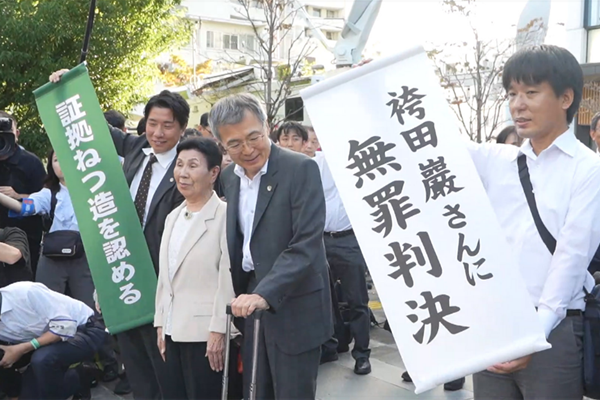
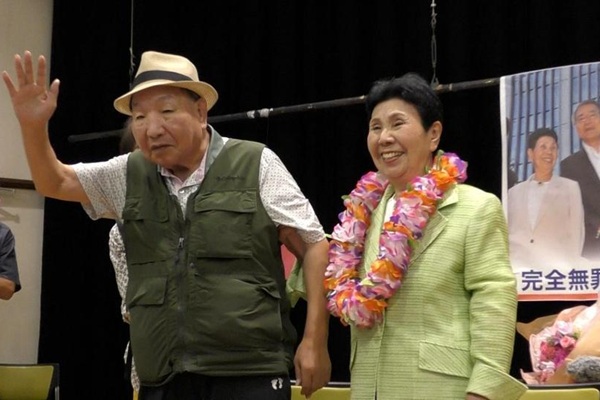
▲2024年10月9日に無罪が確定した
裁判の争点
1. えん罪国家賠償請求訴訟
なぜ巖さんはえん罪に巻き込まれてしまったのでしょうか?
えん罪国家賠償請求訴訟では、大きく5つの違法を訴えています。
一つ目は、巖さんを起訴する前の警察による捜査の違法です
警察は、事件発生後まもなく巖さんを犯人と決めつけ、巖さんを起訴するために複数の証拠を隠蔽、ねつ造していたことが再審を通してわかっています。
しかし、警察による証拠の隠蔽、ねつ造を明らかにすることは容易ではありません。現在でも、警察の捜査はその適法性をあとから客観的に検証することが困難であり、いわば「無法地帯」となっています言っても言い過ぎではありません。この無法地帯でのともいえる捜査がはえん罪の温床となっているのですます。
二つ目は、巖さんに対する警察・検察の取調べの違法です
巖さんは、逮捕後、19日間にわたり、夜中又は深夜にわたるまで、1日平均12時間にも及ぶ取調べを受けました。その取調べは、心理的に追い詰め、犯人と決めつけて執拗に自白を迫るものでした。そして、警察は、尿意を催した巖さんに対し、取調べ室内に便器を持ち込んで排尿を促すなどの屈辱的かつ非人道的対応も行いました。再審無罪判決は、確定第1審判決が採用した検察官作成の巖さんの自白調書1通をねつ造されたものと認定しています。
三つ目は、起訴の違法です
巖さんに対する起訴は、当時の証拠資料を総合して考慮しても公訴事実記載の罪を犯したと認められるだけの嫌疑があったとはいえない違法、不当なものでした。また、起訴後に行われた巖さんに対する取調べや補充捜査、その後の訴訟追行にも違法が認められます。
四つ目は、証拠のねつ造の違法です
巖さんの起訴から約1年2か月後、事件現場近くのみそタンクから血痕の付いた5点の衣類が発見されました。確定第1審判決は、この5点の衣類を犯行着衣と認定しました。そして、巖さんの荷物として実家から発見された端布が、5点の衣類の中の鉄紺色ズボンの裾を切った共布であると認定されたことなどから巖さんは犯人と認定されました。しかし、5点の衣類と端布は警察と検察が事件後に作出したねつ造証拠です。再審無罪判決も5点の衣類と端布をねつ造証拠と認定しています。
五つ目は、判断を誤った裁判所の違法です
確定第1審は、5点の衣類がねつ造であることに気付くことができたのに見過ごして巖さんを有罪と認定し、確定控訴審及び上告審は、その誤った有罪認定を支持しました。また、第1次再審請求を担当した静岡地方裁判所も、同様に判断を誤り、再審請求を棄却し、即時抗告審及び特別抗告審は、その誤った判断を支持しました。さらに、第2次再審請求審のうち差戻し前の即時抗告審を担当した裁判所も、同様に判断を誤り、再審請求を棄却しています。これらの誤った判断をした裁判所の責任も問われなければなりません。
弁護団は、以上の違法行為等に基づく損害として、合計約6億0840万円の賠償を請求しています。
2. 名誉毀損国家賠償請求訴訟
2024年9月26日、静岡地方裁判所は巖さんに無罪判決を宣告しました。同年10月8日、畝本直美検事総長は、「検事総長談話」を公表し、控訴を断念する方針を示しました。翌9日、検察官は控訴権放棄書を提出し、巖さんの無罪判決は確定しました。
検事総長はこの談話の中で、上記無罪判決の事実認定に対して疑問を呈し、(無罪判決の)「推論過程には、論理則・経験則に反する部分が多々あり、本判決が「5点の衣類」を捜査機関のねつ造と断じたことには強い不満を抱かざるを得ません」などと述べました。これは「無罪判決は間違っている。犯人は巖さんだ」と述べているのと変わりません。この談話で控訴を断念する方針を示していますから、巖さんの無罪判決が確定することは決まっている状況です。無罪が確定する人を、検察という国家機関が、「犯人だ」と述べることは名誉毀損に他なりません。また、これは無罪判決を尊重すべき国家機関に課せられた義務にも違反する違法行為です。
社会的意義
巖さんのえん罪事件は過去のものではありません。
捜査機関による無法地帯ともいえる捜査、違法な取調べ、証拠のねつ造・隠蔽、そして、それらを見過ごす裁判所。巖さんのえん罪事件で行われた数々の違法行為の根底にあるものは現在の刑事司法にも存在しています。
巖さんの再審無罪判決後、警察及び検察はそれぞれ事件を検証した結果を公表しています。しかし、いずれも片面的で不十分です。裁判所は検証すらしていません。
私たちは、巖さん、ひで子さんと同様の悲劇を繰り返させないために、巖さんのえん罪事件から学ばなければなりません。そのために、この2つの国家賠償請求訴訟によって巖さんに行われた違法行為を明らかにすることが必要なのです。
寄付金の使途
・訴訟事務費用(印紙代、郵便費用、印刷費等)
・弁護団の活動費(交通費、通信費等)
・証拠資料の整理、データ化のための費用
・広報対応事務費
等訴訟追行のための必要経費。
原告の思い
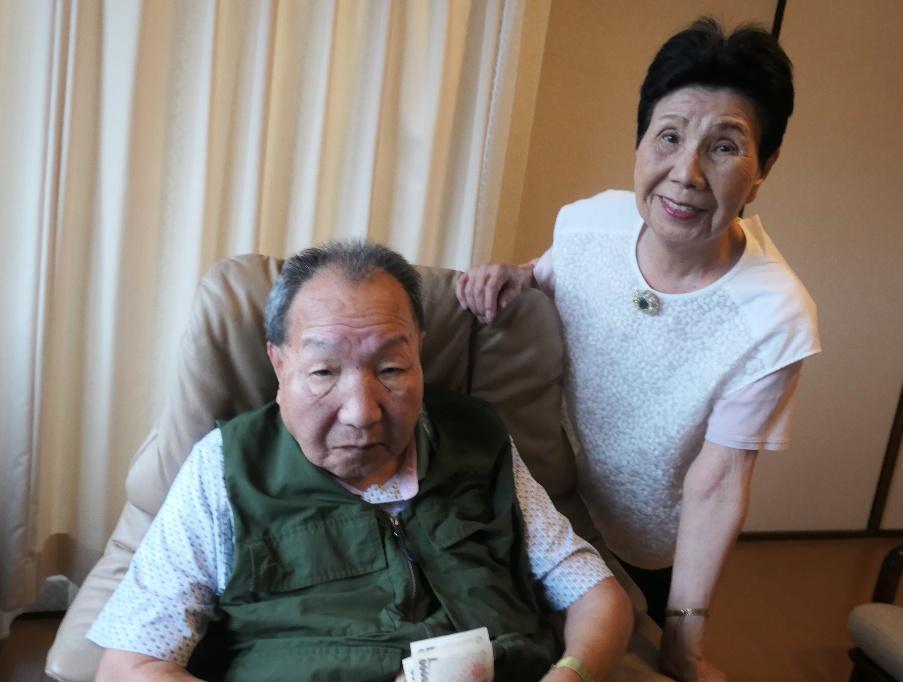
巖さんは拘禁反応のため今は思いを伝えることができません。
そこで1983(昭和58)年2月(第1次再審請求中)の巖さんの日記を紹介します。
巖さんは、息子さんへのメッセージの中で、不屈の闘う意志を書き記しています。私たち弁護団も不屈の精神で闘います。
息子よ、どうか直ぐ清く勇気ある人間に育つように。
すべて恐れることはない、そして、お前の友だちからお前のお父さんはどうしているのだと聞かれたら、こう答えるが良い。
僕の父は不当な鉄鎖と対決しているのだ。古く野蛮な思惑を押し通そうとする、この時代を象徴する古ぼけた鉄鎖と対決しながら、たくさんの悪魔が死んでいった、その場所で(正義の偉大さを具現しながら)不当の鉄鎖を打ち砕く時まで闘うのだ。
息子よ、お前が正しい事に力を注ぎ、苦労の多く冷たい社会を反面教師として生きていれば、遠くない将来にきっとチャンは、懐かしいお前の所に健康な姿で帰っていくであろう。
そして必ず証明してあげよう。お前のチャンは決して人を殺していないし、一番それをよく知っているのが警察であって、一番申し訳なく思っているのが裁判官であることを。
チャンはこの鉄鎖を断ち切ってお前のいる所に帰っていくよ。
担当弁護士のメッセージ
国家賠償請求訴訟の弁護団は、巖さんの再審事件の弁護人を担当していた弁護士の一部、9名の弁護士で構成しています。弁護団長は、巖さんの再審事件を昭和59年(第1次再審請求の地裁の審理段階)から再審無罪判決まで約40年間担当していた小川秀世弁護士です。
弁護団は、2度と巖さん、ひで子さんと同様の悲劇を繰り返させないという決意のもと、警察・検察・裁判所の責任、現在も続く刑事司法の闇を明らかにします。
担当弁護士の紹介
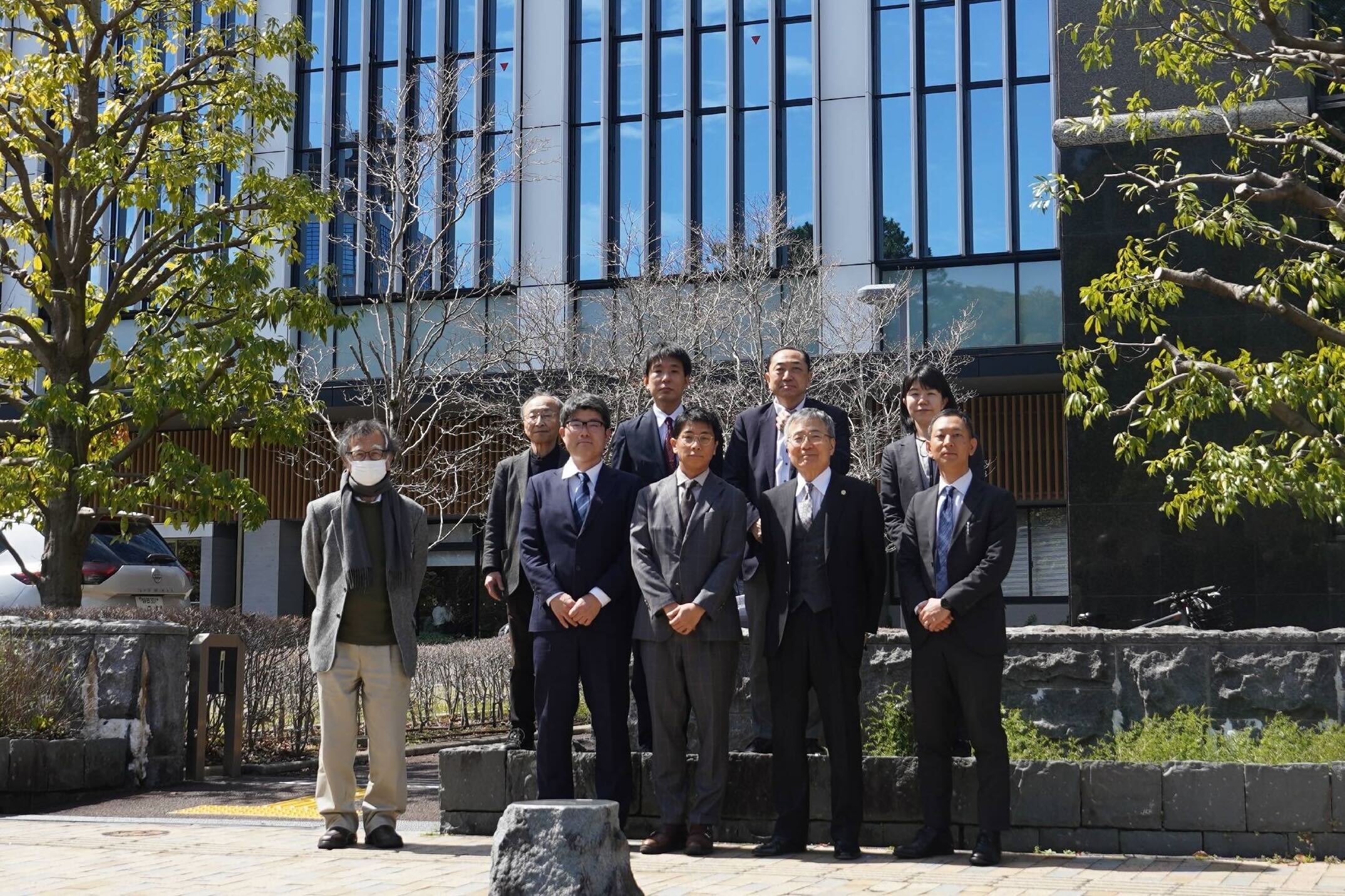
小川秀世(弁護団長、静岡県弁護士会)
村﨑修(第一東京弁護士会)
笹森学(札幌弁護士会)
間光洋(静岡県弁護士会)
伊藤修一(東京弁護士会)
戸舘圭之(第二東京弁護士会)
加藤英典(埼玉弁護士会)
白山聖浩(静岡県弁護士会)
西澤美和子(静岡県弁護士会)
おわりに
今回提起した二つの国家賠償請求訴訟は、終結まで相当の期間を要し、また、多数の証拠を整理したり、マスコミ対応等をしたりするための事務費等が掛かることが見込まれます。訴訟追行のための必要経費としてご寄付をお願いいたします。
*Translated by Google Translate
Introduction
Iwao's lost 58 years are irreparable.
Iwao's older sister, Hideko Hakamada, sacrificed her own life to support him for 58 years until he was acquitted in a retrial.
Hideko's lost life is irreparable.
Currently, Iwao is 90 years old and Hideko is 93 years old.
Is it because Mr. Iwao and Ms. Hideko were wrongly accused 58 years ago?
Can we say that Mr. Iwao's wrongful conviction case was resolved by the retrial and subsequent acquittal?
That's not true.
Mr. Iwao's wrongful conviction case highlights many problems with the criminal justice system that persist to this day.
Our legal team will expose the problems with the criminal justice system that have persisted for 58 years and continue to this day, through two lawsuits seeking state compensation.
We must never again allow a tragedy like the one that befell Iwao and Hideko to happen.
Summary of the case
Iwao was wrongly convicted in a robbery, murder, and arson case that occurred in June 1966. After his arrest, Iwao maintained his innocence. However, he succumbed to the inhumane interrogation of the investigating authorities and made a false confession. He consistently maintained his innocence throughout the subsequent trial. After his appeal was rejected and his death sentence was finalized, Iwao developed a confinement reaction due to the long years of being held in custody and constantly under the threat of execution. He withdrew into his own world, stating that "the incident never happened" and refusing to meet with his lawyers.
In March 2014, the court decided to grant a retrial. Along with the suspension of the death penalty, the execution of his detention was also suspended, and Mr. Iwao was released. It was his release after 47 years and 7 months since his arrest. Mr. Iwao, who was 30 years old when he was arrested, was now 78 years old.
Due to the prosecutor's appeal against the decision to grant a retrial, it took a long time for Mr. Iwao to clear his name. The retrial was finally confirmed in March 2023. The retrial proceedings then took approximately one year and seven months. In September 2025, the court acquitted Mr. Iwao. It took 58 years for him to be cleared of his name, and he was 88 years old.
Wrongful convictions are caused by illegal investigations by law enforcement agencies, as well as the concealment and fabrication of evidence. They are also caused by erroneous judgments by the courts. In wrongful conviction state compensation lawsuits, we will hold accountable the illegal actions of the police, prosecutors, and courts that led to these wrongful convictions.
Furthermore, after the retrial and acquittal, the prosecution released a statement from the Attorney General that continued to portray Mr. Iwao as the culprit. In this defamation lawsuit seeking state compensation, we will challenge the illegality of the prosecution, which, despite being the very entity that created this wrongful conviction, has failed to reflect on its own mistakes.
Background
| June 30, 1966 (Showa 41) | The victim's house was completely destroyed by fire, and the bodies of all four family members were found. |
| August 18, 1966 (Showa 41) | Iwao arrested |
| September 9, 1966 (Showa 41) | Iwao was indicted for trespassing, robbery and murder, and arson. |
| August 31, 1967 (Showa 42) | Five pieces of clothing were found inside a miso tank. |
| September 11, 1968 (Showa 43) | Final first instance judgment |
| May 18, 1976 (Showa 51) | Appeal dismissed |
| November 19, 1980 (Showa 55) | Appeal dismissed |
| April 20, 1981 (Showa 56) | First request for retrial |
| August 8, 1994 (Heisei 6) | First request for retrial dismissed. |
| August 26, 2004 (Heisei 16) | Immediate appeal dismissed. |
| March 24, 2008 (Heisei 20) | Special appeal dismissed |
| April 25, 2008 (Heisei 20) | Second request for retrial |
| March 27, 2014 (Heisei 26) | Decision to grant a retrial, suspension of execution and detention, and release of Mr. Iwao. |
| June 11, 2018 (Heisei 30) | Original decision overturned, request for retrial rejected. |
| December 22, 2020 (Reiwa 2) | Original decision overturned, remanded. |
| March 13, 2023 (Reiwa 5) | Immediate appeal dismissed. |
| October 27, 2023 (Reiwa 5) | First retrial hearing |
| May 22, 2024 (Reiwa 6) | 15th Retrial Hearing (Concluding Trial) |
| September 26, 2024 (Reiwa 6) | Not guilty verdict |
| October 8, 2024 (Reiwa 6) | Attorney General's statement released |
| October 9, 2024 (Reiwa 6) | Confirmed not guilty |
Please see our website for more details.
https://hakamada-jiken.com/category/whats_new
▲Acquittal was finalized on October 9, 2024.
Issues in the trial
1. State compensation lawsuit for false accusations
Why was Mr. Iwao wrongly implicated?
In this wrongful conviction lawsuit seeking state compensation, five major illegalities are being alleged.
The first issue is the illegality of the police investigation conducted before indicting Mr. Iwao.
Through the retrial, it has become clear that the police, shortly after the incident occurred, assumed Mr. Iwao was the culprit and concealed and fabricated multiple pieces of evidence in order to indict him.
However, it is not easy to expose the concealment or fabrication of evidence by the police. Even today, it is difficult to objectively verify the legality of police investigations afterward, and it is not an exaggeration to say that they are, in a sense, a "lawless zone." Investigations in this lawless zone are a breeding ground for wrongful convictions.
The second issue is the illegality of the police and prosecutors' interrogation of Mr. Iwao.
After his arrest, Mr. Iwao was interrogated for 19 days, averaging 12 hours a day, often extending into the middle of the night or late into the night. The interrogations were psychologically manipulative, with the police relentlessly pressuring him to confess, assuming he was guilty. Furthermore, when Mr. Iwao needed to urinate, the police brought a toilet into the interrogation room and forced him to relieve himself, a humiliating and inhumane act. The retrial acquittal determined that the confession statement prepared by the prosecutor and adopted by the first instance judgment was fabricated.
The third issue is the illegality of the prosecution.
The indictment against Mr. Iwao was illegal and unjust, as, even considering all the evidence at the time, there was not enough suspicion that he had committed the crimes described in the indictment. Furthermore, the questioning and supplementary investigations conducted against Mr. Iwao after the indictment, as well as the subsequent litigation, were also found to be illegal.
The fourth is the illegality of fabricating evidence.
Approximately one year and two months after Iwao's indictment, five bloodstained items of clothing were discovered in a miso tank near the crime scene. The final first-instance judgment identified these five items of clothing as the clothing worn during the crime. Furthermore, a piece of fabric found among Iwao's belongings at his family home was identified as the same fabric as the hem of a pair of dark blue trousers among the five items of clothing, leading to Iwao's conviction as the culprit. However, the five items of clothing and the fabric piece were fabricated evidence created by the police and prosecutors after the incident. The retrial acquittal also recognized the five items of clothing and the fabric piece as fabricated evidence.
The fifth reason is the illegality of the court's erroneous judgment.
The first instance court, despite being able to notice that five items of clothing were fabricated, overlooked this fact and found Mr. Iwao guilty. The appellate court and the Supreme Court upheld this erroneous finding of guilt. Similarly, the Shizuoka District Court, which handled the first request for retrial, also made an error in its judgment and dismissed the request for retrial. The immediate appeal and the special appeal upheld this erroneous judgment. Furthermore, the court that handled the immediate appeal before the remand in the second request for retrial also made an error in its judgment and dismissed the request for retrial. The courts that made these erroneous judgments must also be held accountable.
The legal team is seeking approximately 608.4 million yen in damages for the illegal acts and other actions described above.
2. Litigation for state compensation for defamation
On September 26, 2024, the Shizuoka District Court acquitted Mr. Iwao. On October 8 of the same year, Prosecutor General Naomi Unemoto issued a statement indicating that the court would not appeal. The following day, the prosecutors submitted a document waiving their right to appeal, and Mr. Iwao's acquittal became final.
In this statement, the Attorney General questioned the factual findings of the aforementioned not-guilty verdict, stating that "the reasoning process (of the not-guilty verdict) contains many parts that contradict the rules of logic and experience, and I cannot help but feel strong dissatisfaction with this verdict's conclusion that the 'five items of clothing' were fabricated by the investigating authorities." This is tantamount to saying, "The not-guilty verdict is wrong. Iwao is the culprit." Since this statement indicates a decision not to appeal, it is certain that Iwao's not-guilty verdict will be finalized. For a state institution like the prosecution to declare someone who has been acquitted as "the culprit" is nothing short of defamation. Furthermore, this is an illegal act that violates the duty imposed on a state institution to respect a not-guilty verdict.
social significance
Iwao's wrongful conviction case is not a thing of the past.
The lawless investigative practices, illegal interrogations, fabrication and concealment of evidence by law enforcement agencies, and the courts that overlook these issues—the root causes of the numerous illegal acts committed in Mr. Iwao's wrongful conviction case still exist in the current criminal justice system.
Following Mr. Iwao's acquittal in his retrial, the police and prosecutors have each published the results of their investigations into the case. However, both are one-sided and insufficient. The court hasn't even conducted an investigation.
We must learn from Mr. Iwao's wrongful conviction case in order to prevent a recurrence of the same tragedy that befell Mr. Iwao and Ms. Hideko. To that end, it is necessary to expose the illegal acts committed against Mr. Iwao through these two national compensation lawsuits.
Use of Donations
• Litigation fees (stamp duty, postage, printing costs, etc.)
- Expenses for the legal team's activities (transportation costs, communication costs, etc.)
- Costs for organizing and digitizing evidence - Administrative costs for public relations activities
Necessary expenses for pursuing litigation.
Plaintiff's thoughts
Iwao is currently unable to express his feelings due to a reaction to being confined.
Therefore, I would like to share Mr. Iwao's diary entry from February 1983 (Showa 58) (during the first request for retrial). In a message to his son, Mr. Iwao wrote about his unwavering will to fight. We, the defense team, will also fight with an unwavering spirit.
My son, I hope you will soon grow up to be a pure and courageous person.
There is nothing to be afraid of, and when your friends ask you how your father is doing, tell them this:
My father is confronting unjust chains. He is fighting against these old, tattered chains, symbolic of this era, that try to impose outdated and barbaric intentions, in the place where so many demons have died, until he shatters these unjust chains (while embodying the greatness of justice).
My son, if you dedicate your energy to doing what is right and learn from the harsh and unforgiving nature of this society, I'm sure that in the not-too-distant future, Chan will return to you in good health.
And I will prove it to you. Your Chan has never killed anyone, and the police know that best, and the judge feels the most sorry.
Chan will break these chains and return to where you are.
Message from the assigned attorney
The legal team for the state compensation lawsuit consists of nine lawyers, some of whom were in charge of Mr. Iwao's retrial case. The head of the legal team is lawyer Hideyo Ogawa, who handled Mr. Iwao's retrial case for approximately 40 years, from 1984 (when the first retrial request was heard at the district court) until the acquittal in the retrial.
With a determination to never again allow a tragedy like that of Iwao and Hideko to be repeated, the defense team will expose the responsibility of the police, prosecutors, and courts, and the ongoing darkness within the criminal justice system.
Introduction of the assigned lawyer
Hideyo Ogawa (Chief of the legal team, Shizuoka Prefectural Bar Association)
Osamu Murasaki (First Tokyo Bar Association)
Manabu Sasamori (Sapporo Bar Association)
Mitsuhiro Hazama (Shizuoka Prefectural Bar Association)
Shuichi Ito (Tokyo Bar Association)
Keiji Todate (Second Tokyo Bar Association)
Hidenori Kato (Saitama Bar Association)
Seiko Hakusan (Shizuoka Prefectural Bar Association)
Miwako Nishizawa (Shizuoka Prefectural Bar Association)
In conclusion
The two state compensation lawsuits we have filed will take a considerable amount of time to conclude, and we anticipate incurring administrative costs for organizing a large amount of evidence, dealing with the media, and other related expenses. We would appreciate your donations to cover the necessary expenses for conducting these lawsuits.

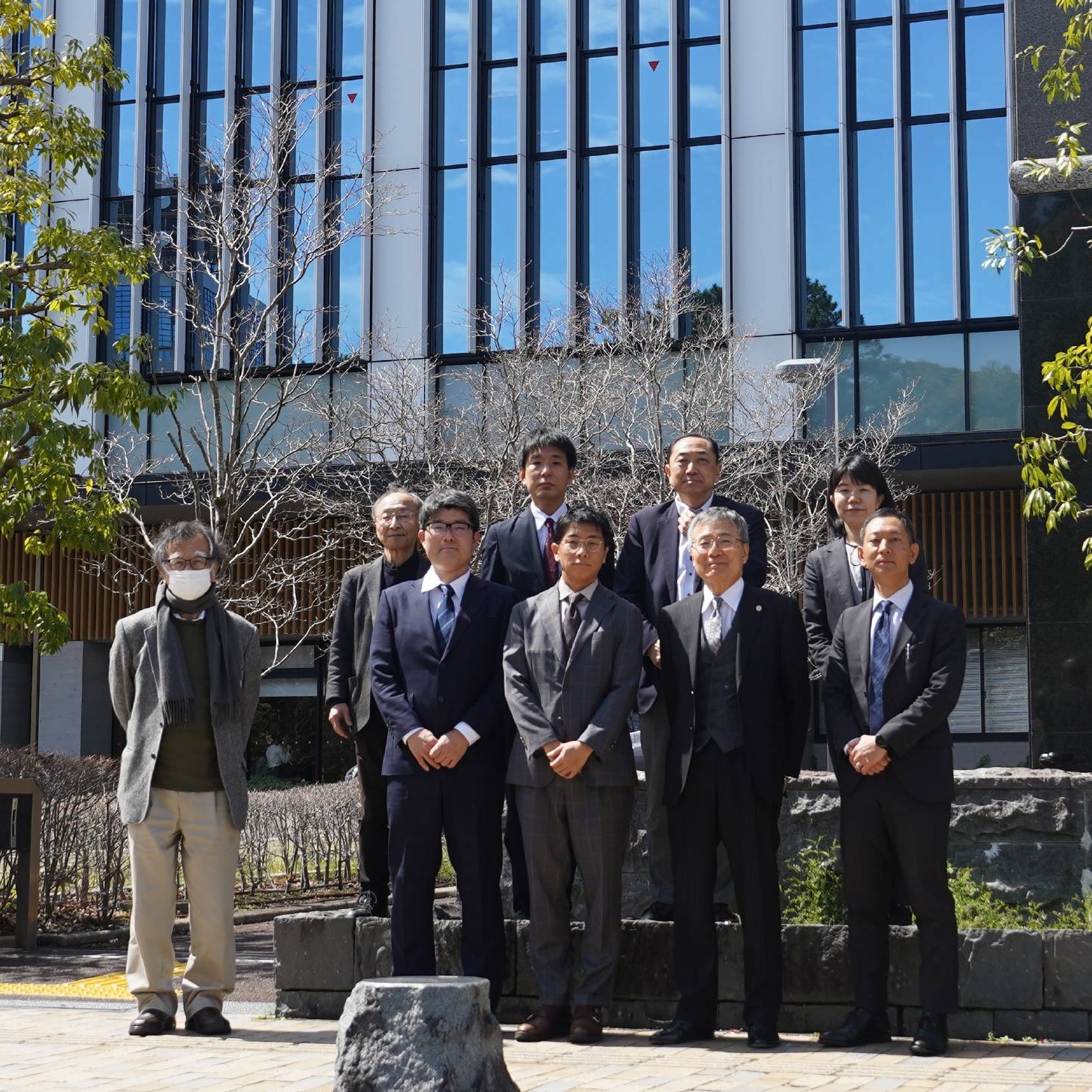
袴田巖さん国家賠償請求弁護団
袴田巌さんによる国家賠償請求訴訟を担う弁護団です。
連絡先:弁護士 間光洋
静岡県葵区日出町5−3
日出町法律事務所
054-269-4590
info@hinodecho-law.jp
連絡先:弁護士 間光洋
静岡県葵区日出町5−3
日出町法律事務所
054-269-4590
info@hinodecho-law.jp
あなたにおすすめのケース Recommended case for you


- 外国にルーツを持つ人々 Immigrants/Refugees/Foreign residents in Japan
- ジェンダー・セクシュアリティ Gender/Sexuality
- 医療・福祉・障がい Healthcare/Welfare/Disability
- 働き方 Labor Rights
- 刑事司法 Criminal Justice
- 公正な手続 Procedural Justice
- 情報公開 Information Disclosure
- 政治参加・表現の自由 Democracy/Freedom of Expression
- 環境・災害 Environment/Natural Disasters
- 沖縄 Okinawa
- 個人情報・プライバシー Personal information/Privacy
- アーカイブ Archive
- 全てのケース ALL