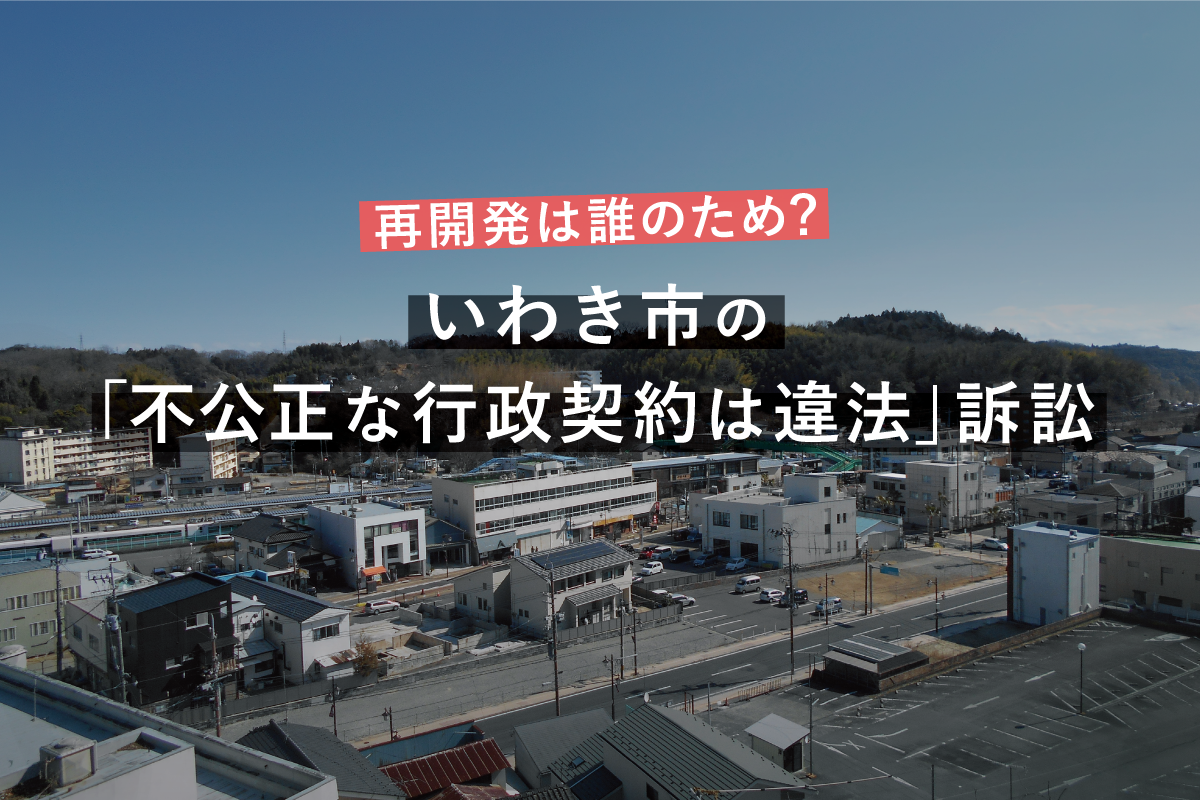
再開発は誰のため?いわき市の「不公正な行政契約は違法」訴訟 Redevelopment for Whom? A Lawsuit Challenging the Unjustified Administrative Contract in Iwaki City
#公正な手続
#Procedural Justice
#環境・災害
#Environment/Natural Disasters
現在の寄付総額 Current Total Raised
645,593円 ¥ 645,593
目標金額 Target amount
1,000,000円 ¥ 1,000,000
サポーター Supporter
82 人 82 supporters
 寄付する
Donate Now
寄付する
Donate Now


再開発事業で実績ゼロの新会社に支払われた934万円。この訴訟は、福島県いわき市の公共事業の中で行われた民間との業務委託契約について、手続きや内容が不公正だったのではないかと問う訴訟です。これは一地域の問題ではありません。公共事業の民間業務委託は不正に繋がりやすい危険性があります。この住民訴訟を通して、こうした危険性と市民が声をあげて行政運営の修正を求めていくことの大切さを皆さんと共有したいです。 In Iwaki City, Fukushima, 9.34 million yen of public funds was paid to a newly established private company with no track record under a redevelopment project. This resident lawsuit questions whether the outsourcing contract between the city and the company followed fair procedures and served the public interest. This is not only a local issue, as outsourcing public projects to private companies carries risks of favoritism and misuse of funds. Through this case, residents highlight the importance of citizens speaking up to ensure accountable and fair local governance.
はじめに
私は街の小さな焼き菓子店を営んでいます。
そんな私がなぜ提訴することになったのか、発端は、私が営むお店に隣接する公園の上に、温浴施設を新設するという噂を耳にしたことでした。
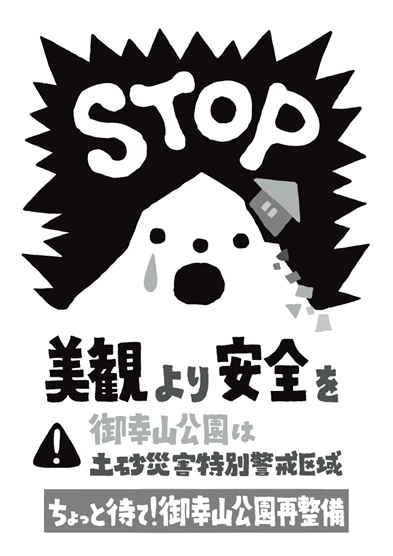
ここは、地質が決して強くない公園であり、福島県の土砂災害特別警戒区域・急傾斜崩壊危険区域に指定されています。そのような土地に新たな建築物の設置やそれに伴う造成などがあれば土砂災害のリスクを高め、私たちの暮らしを脅かすと強い危機感を持ちました。
当時はこの話し合いがどこで誰によって進められているのかまったく分からず、まずはこの話し合いに参加する手だてを探すことから始まりました。そして関係するワークショップにようやく参加できたところ、近隣住民の暮らしを無視した事業が立案されていたり、何やら気がかりな費用の使い方や事業運営の話があったりでとても驚きました。
こうしたあまりの驚きと不安から、一体こんな事業はどのように考えられてきているのだろうと、まずは街づくり団体を称する任意団体に問い合わせることと行政情報を調べることから始めました。
そうした中で気になったのが、この訴訟での問題をはじめとする民間組織への業務委託でした。公共事業の業務委託契約には不明瞭な随意契約が複数あり、中でも市長の支援団体や特定の組織のメンバーが関わる組織に対し、公金の支出が行われたり、内容が不明瞭な支出が行われたりということがあったのです。そしてこれらの多くは、見かけ上は正規の手続きを踏まえて実施されているので、容易には不正に気付かない構成のように思えました。
この訴訟で取り上げる取引は、こうした問題と思われる行政の取引のうち、ほんの一例に過ぎないだろうと考えています。
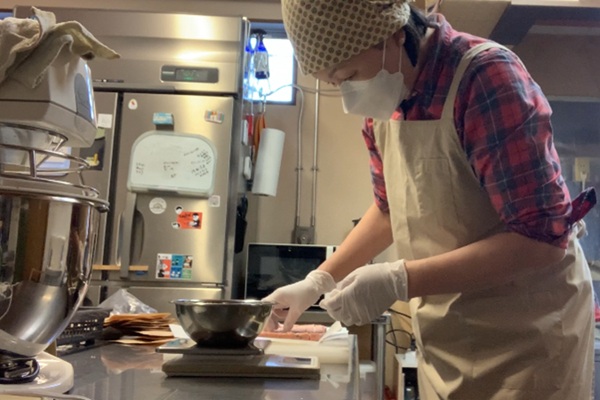
▲焼き菓子店の運営に追われながらも、街の再開発問題を学び、訴訟を提起した
事案の概要
この訴訟の舞台は福島県いわき市の常磐湯本地区です。
湯本温泉やスパリゾートハワイアンズを擁する常磐湯本地区ですが、いわき市は現在、地域の活性化を図るため、湯本駅前の再開発事業を進めています。
この再開発事業の中で、いわき市長が、1か月前に設立したばかりの法人に、再開発地域に関係する権利を持つ人や事業者などの意向を調査し、事業スケジュールやスキームの検討をすること等を業務内容とする業務委託契約を、行政側が任意に受注者を選んで締結する随意契約によって締結していました。その業務委託料は900万円を超える金額となります。
本訴訟で問題となる契約(本件業務委託契約)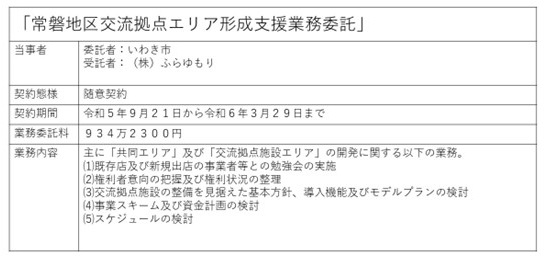
地方自治法上、行政が行う契約は一般競争入札によって行うことが原則であり、行政側が特定の契約相手を選ぶ随意契約が許容されるのは例外的な場合に限られています。
この業務委託契約は、随意契約が許される要件を満たしておらず違法であると考えています。
この契約に関する問題は、主に以下の二つです。
① 市が、契約遂行能力のない契約相手を恣意的に選んで随意契約を行っていること
② 市から業務委託を受けた契約の相手方が、まちづくりという仕事の性質からみて不十分な仕事をしているのに、市はそれを指摘することなく漫然と業務委託料を支払ったこと
この訴訟は、いわき市長に対し、株式会社ふらゆもりに支払われた「常磐地区交流拠点エリア形成支援業務委託」の業務委託料934万2300円を市に返還させるよう請求するものです。
裁判の争点
この訴訟の対象となる行為は、市長が行った業務委託料の支出命令です。
支出命令の前提となる業務委託契約(常磐地区交流拠点エリア形成支援業務委託契約)の違法性も問題としています。
業務委託契約の経緯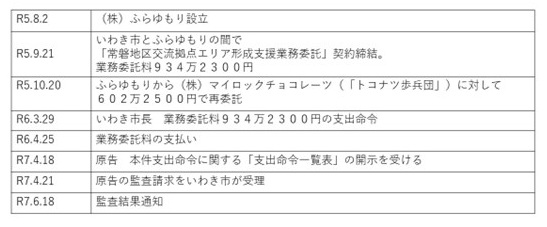
この訴訟の主な争点は、以下の2点です。
1. 本件業務委託契約が、随意契約として許容される例外的場合にあたるか否か
地方自治法施行令においては、行政が発注を行う際には一般競争入札の方式によることが原則とされており、行政側が任意に受注者を選んで締結する契約(随意契約)をすることは例外的な場面にのみ許されています。
行政が契約によって支払う代金の原資は公金(税金)ですから、「公正の確保」「経済性の確保」「参加の機会の均等」が求められるためです。
今回の業務委託契約が、随意契約が許容される例外的場合(地方自治法施行令167条の2第1項2号「その性質または目的が競争入札に適しないもの」)に当たらないのであれば、この業務委託契約の締結は違法であり、業務委託料の支出命令も違法と評価されます。
法令解釈上、2号の理由で随意契約を行う場合には、原則として、その相手方が、「その契約の目的を達成することができる唯一の契約相手であること(唯一性)」が求められると解されています。
本件では、主に以下の二つの問題点があり、随意契約で締結することは許されないものと考えられます。
⑴ 契約相手の恣意的な選定
今回の業務委託の内容は、「地方事業者と勉強会を実施、意向を調査して事業スケジュールやスキームの検討をする」というものでした。
しかしながら、市の契約相手である株式会社ふらゆもりは、契約締結のわずか約1ヶ月前に設立された法人です。まちづくり事業の実績もありません。
このような業務遂行能力のないふらゆもりを、いわき市は委託先として選びました。
ふらゆもりは契約締結から約1ヶ月後に、業務委託料の約3分の2(602万2500円)を支払って県外企業に再委託(ほぼ丸投げ)しています。このことからも業務遂行能力がふらゆもりになかったことがわかります。つまり、ふらゆもりが「唯一の契約相手」ではないことは明らかであり、いわき市のした契約には、行政に求められる「公正」さも「参加の機会の均等性」もないのです。
⑵ 見積書の不合理性
業務委託料934万2300円は、ふらゆもり提出の見積書をそのまま採用したものです。
しかし、見積書は業務内容にそぐわない土木建設の設計業で使うテンプレートがそのまま使用されており、単価の適法性が検討されたような資料もありませんでした。
このような形での業務委託契約の締結は、判例で契約自体が無効と評価される「先行行為である契約を締結した地方公共団体の判断に裁量権の範囲の著しい逸脱又は濫用があり、先行の契約を無効としなければ地方自治法2条14項、地方財政法4条1項の趣旨を没却する結果となる特段の事情が認められる」場合に当たると考えられます(最判平成20年1月18日参照)。
2. 委託業務の遂行が不十分であったにもかかわらず、市長が漫然と支出命令を行ったことが違法といえるか
もし契約が無効でないとしても、委託業務の遂行が不十分であったにもかかわらず、市長が漫然と支出命令を行った点に関して問題となります。
この契約の重要な業務内容には、湯本駅周辺の再開発において円滑な合意形成を図るための既存店及び新規出店の事業者等との勉強会の実施や意向の把握が含まれていました。
しかし、原告が実際にアンケートを行ったところ、開発エリア内の既存店の多くが、ふらゆもりが実施した勉強会を知らず、参加もしていなかったことが明らかになりました。
市は、ふらゆもりの業務を検査して、補充の勉強会を行うよう指示するべきであって、それでも是正されないのであれば、契約の解除も検討するべきでした。それにも関わらず、漫然と業務委託料の全額を支払いました。
これは「必要かつ最小の限度を超えて支出してはならない」「最小で最大の効果を得られるようにしなければならない」行政の一般会計原則に反するものであり、違法な財務会計上の行為と評価されるべきです。
これまでの経緯
私は、街の再開発の問題に注目してからこの訴訟を提起するまでの約2年間、行政機関に対する情報開示請求や調査を進めてきました。
並行して、関連書籍や論文なども可能な限り参照しつつ、再開発に関わるようなワークショップや説明会などの会合にも継続して積極的に足を運び、事業計画の内容を問い合わせ、意見も述べ、そして可能な限り記録を取りました。
街の小さいお菓子屋の私にとって、仕事の時間を割いて会合に参加すること、これまで仕事にはおおよそ関連が無かった分野の書籍や論文を読むこと、加えてこれらを繋げて問題を言語化することは容易ではありませんでしたが、こうすることで問題への理解が進み、更に関心も深まりました。
しかし、理解が深まればむしろ、再開発に関する問題が私たちの暮らしを直撃する心配も深まります。この心配を見過ごした未来を想像すると、私は問題を考えることをやめるわけにはいきませんでした。
こうした中で、この再開発における一つの土地区画整理事業に関する署名活動や、権利者住民による県知事への意見書提出、並びに口頭意見陳述も実施しましたが、事業の見直しを願う私たちの意向は否決されました。
党派に関わらず複数の市議会議員に相談したり、いくつかの意見陳述の機会に出席した議員の耳に入れたりしたこともありました。
行政情報不開示に係る審査請求、いわゆる不服申し立てをしたこともあります。結局この不服申し立てをした情報は不開示のままとなり、私にはこれを掘り下げていくためのリソースが無かったため、更なる上位の手続きは断念しました。
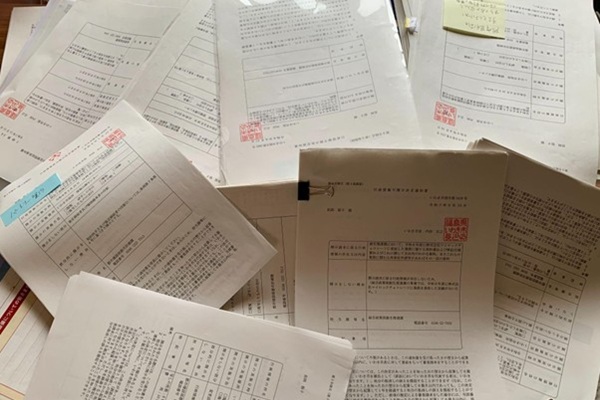
▲これまでに開示請求した資料の一部
11月後半に、家族の健康状態が悪化しました。街づくり問題から自ずと距離を取らざるを得ない状況となる中、この提訴の前手続きである住民監査請求の期限が近づいていることを気にしていました。
私は、この問題が無かったことにされてしまうのを恐れました。そして、私が調査したことは私にしか進めることができないという思いを奮い立たせて、なんとか住民監査請求を進めました。
その後、監査請求は棄却され、この住民訴訟に至ります。
一方、再開発の構想が進んでからというもの、再開発地区内の市営住宅の取り壊しと共に、その一階にあった七つの店舗が閉店しました。近くのミニシアターは、再開発の工事に伴う騒音と振動による経営困難を見越して閉店してしまいました。この訴訟に関する事業エリア内の複数の店舗も、開発後の家賃高騰などの不利や不透明な条件等によって閉店や移転を検討中と聞いています。中には関係法によって有無を言わさず撤退となったり、移転して事業を再開することが困難なお店もありました。
再開発とは一体何のため、誰のためなのかと疑問が深まるばかりです。
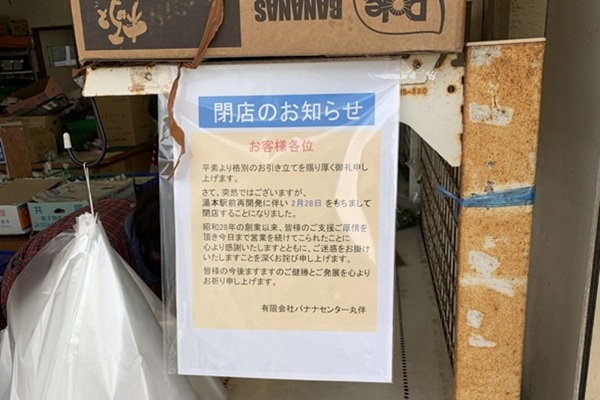
▲2026年2月末に再開発事業に伴い閉店した昭和28年創業の青果店
社会的意義
公共事業の民間業務委託に関する制度の脆弱性について
現在、公共事業の「官民連携」をもっともらしく謳う制度がいくつかみられます。しかしながら、このような公共事業の民間業務委託に関する制度が、不正に繋がりやすいという危険性があることに気付きました。
この訴訟を通して、こうした危険性等について、多くの方と共有できればと考えております。
たとえば、2024年福島県の国見町で「企業版ふるさと納税」制度を使った”寄付金還流”疑惑の事件がありました。この事件を報道した河北新報の記者による著書「過疎ビジネス」(横山 勲著・集英社新書・2025年7月17日発行)を読むと想像以上に多くの本件との類似性に思い当たり、気になるページに貼った付箋紙はまるでフリンジのようになりました。
このいわゆる「企業版ふるさと納税」制度は「寄付企業への経済的な見返りは禁止されていることです。しかし、(中略)この建前は、ほとんど守られていません。」(掛貝 祐太・茨城大学人文社会科学部准教授・月刊『住民と自治』 2025年5月号)と研究者によっても指摘されていることを知り、公共事業の民間業務委託が不正に陥りやすいという実情を、より理解することに繋がりました。
ここでふと、2025年9月にネパールの若者たちが起こした、「ネポキッズ」とそうでない普通の人々との、暮らしの格差をつくる政府に対する抗議行動のニュースを思い出しました。
「ネポキッズ」とは、縁故主義によって特権的な地位を得ているとされる若者を指す言葉とのことだそうですが、これは私たちが日常の会話で耳に、あるいは口にする「格差社会」「利権政治」「今だけ金だけ自分だけ」といった政治批判の言葉と同じ文脈にあり、こうした問題は本当に広くそして頻繁に起こっているのだと再認識しました。
いわき市の湯本町再開発事業においては、これまでいわき市とパートナーシップ協定を締結していた任意団体の役員もしている地元の土木・建築業や旅館業などの事業者等が、「株式会社ふらゆもり」を行政主導で設立しました。その後間もなく、事業実績がないまま、いわき市から公共事業を受託しました。そして、すぐに「ふらゆもり」は、いわき市と長らく関わりのある神奈川県のコンサルタント企業に再委託しており、これは、特定の関係性によって利益を得る構図を想わざるを得ない状況です。
市民と民主主義について
私がまちづくりの行政について疑問の声を上げ始めると、自分の住む町だけでなく、他の町の方から声をかけられることが多くなりました。そのお話のほとんどが、そこで暮らす当事者市民の意見が全く行政に届かず、行政や政治家に近い人や、大きな組織の声ばかりが届いているようだということです。
こうしたことからは、市民が本当に望むまちづくりを進めるためには、何らかの「障壁」があり、それを取り除いていかなければ声は届かないようになっていると感じました。そしてこの訴訟は、この「障壁」のひとつを可視化しているものでもあると思っています。
私たちの多くは、会議や記録や法律という技術を活用することからどれほど離れて暮らしているのかということも、この訴訟までの経過を通して感じています。
つまり、こうした面倒くさい民主主義の技術を、こちらからちゃんと活用していかなければ、私たち市民の権利はいとも容易く削り取られてしまうのだという怖さを、これまで民主主義について真面目に考えたこともなかった私は今更ながら痛いほど思い知りました。
「誰かにまかせられる」「楽しい」「何かやってくれそう」「前に進む」「新しい」といった、楽でポジティブな言葉に安易に乗っからないで、本当にまったく面倒ですけど、信頼のおける情報を探し、調べ、学び、時々でもいいから行政監視もして、市民の本当の思いを進めるための「障壁」を取り除いていかなければ、公正なまちづくりはできないなと考えているところです。
そうした「障壁」としての具体的な事実が示す問題性にできるだけ早く気づき、それに声をあげて修正を求めていくことについて、多くの方と共有できればと思います。
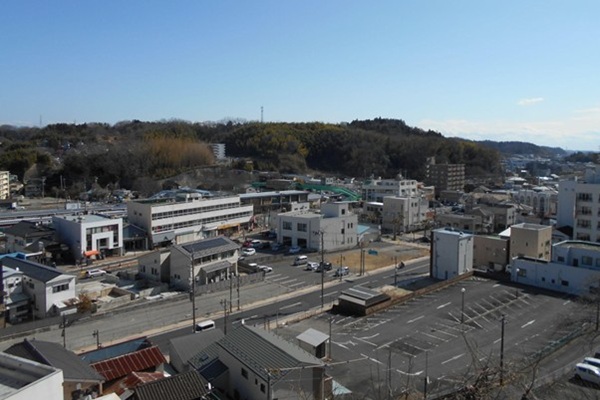
▲2026年2月現在のJR湯本駅周辺の写真。
再開発が徐々に進み、個人経営の店舗や公衆浴場がなくなり、民間駐車場も買収されて営業が止まり、人影もなくがらんとした様子。
寄付金の使途
・行政法学者への意見書費用
・訴訟事務費用(印紙代、郵便費用、印刷費等)
・弁護士費用
・原告と弁護士の交通費(いわき支部から福島本庁までのガソリン代・高速代)
・その他調査費用
原告の思い
原告 長岡裕子さん
この訴訟までに私は多数の行政情報開示請求を行いました。
自分の街の再開発に関わる災害リスクの不安や疑問を解きたい一心で始めたことですが、一つの行政情報を見ると、次々に疑問が生まれてきたと同時に多くの問題も見えてきたため、なかなか止めるわけにはいかなくなって今日に至ります。
そうしたこの訴訟とは別の視点として、この街再開発に関わる大多数の当事者が互いに話し合う場というものが、ほとんど持たれていないという問題もありました。と同時に、近隣市民や街に訪れる人、町内の住民、地権者、事業者などの当事者たちも、互いに話し合ったり、考えを深める場を自ら積極的に作ろうとしない様子もうかがえました。それは、私の実施した住民監査請求が、いわき市において実に15年ぶりの受理だったことにも表れているかと思います。
これらは、行政と市民とのこれまでの在り方が生んでしまった悪循環、あるいは悪しき慣習でもあるのだろうと思っています。
この悪循環、悪慣習が、今のこの暮らしにくい世の中を作ってしまったひとつの要因かと考えると、私もそれに加担してきてしまった「おとな」の一人としての自分を顧みずにはいられませんでした。
「社会は人間そのもので出来ているのではなく、人間のコミュニケーションでできている」という、経済学者の安冨歩氏の言葉を思い出すと、この訴訟を通してより真っ当で活発なコミュニケーションのきっかけを作り、今から少しでも良い社会に変えていくことに繋げたいと強く願うばかりです。

担当弁護士のメッセージ
原告の長岡さんから相談を受けたのは、地元公民館で行われた無料法律相談会が最初でした。
「湯本の再開発の契約関係に問題があります」ということで、大量の行政文書を提示しながら悪戦苦闘しつつも問題点を説明する長岡さんの姿を見て、その熱意に圧倒されっぱなしだったのを覚えています。
その後、長岡さん個人で行った住民監査請求が却下されたということで正式に依頼を受け、今回の訴訟を提起しました。
弁護団は6名、全て地元いわき市の弁護士です。
いわき市で暮らす法曹として、司法からのアプローチで地元行政の状況を変えるため、尽力する所存です。
担当弁護士の紹介
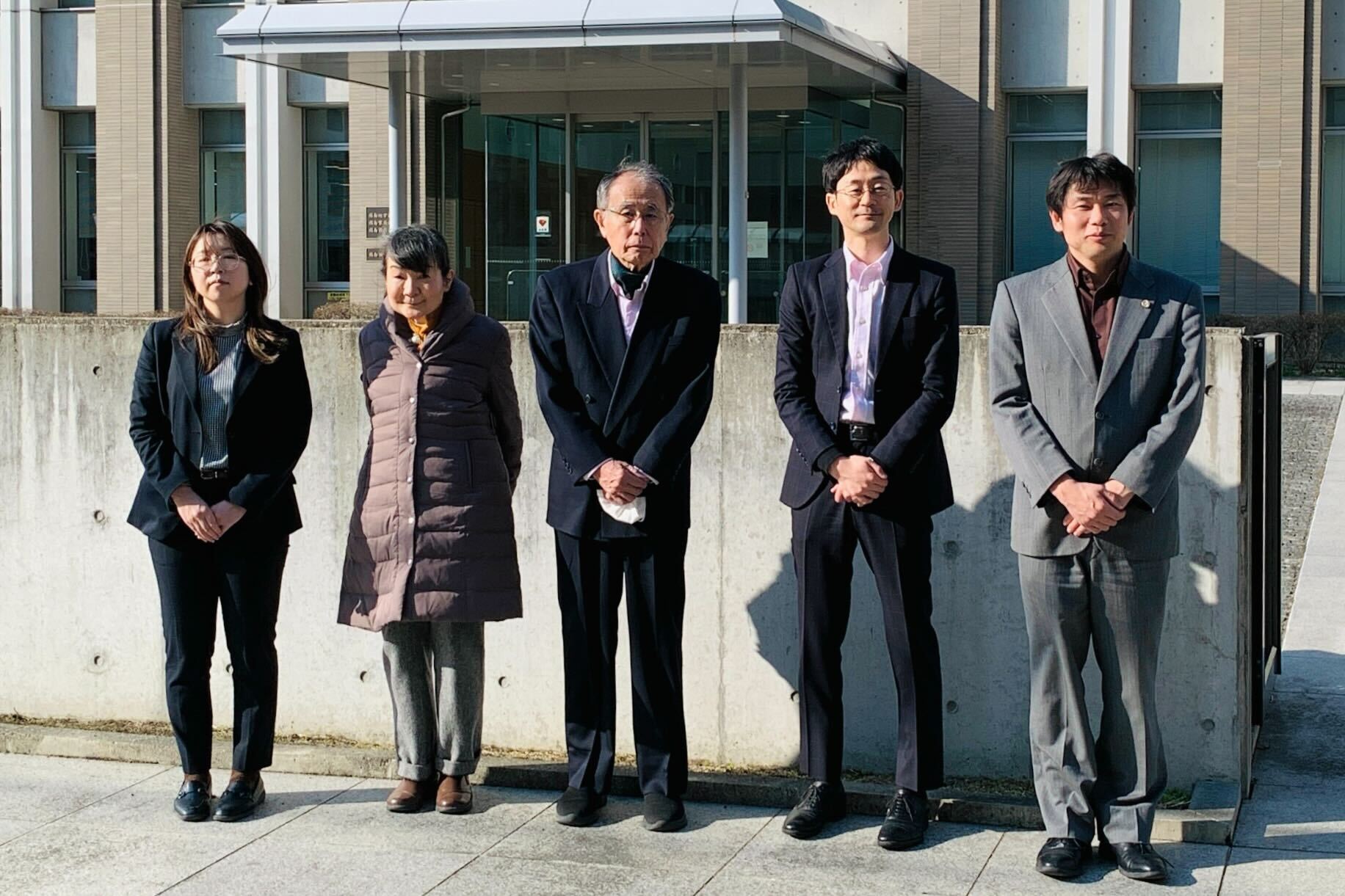
広田 次男 広田法律事務所
鈴木 延枝 麻のは法律事務所
磯 秀一良 昴法律事務所
大木 裕生 広田法律事務所
澤田 智幸 すがた法律事務所
杉原 悠記子 広田法律事務所
おわりに
この訴訟は、地方行政の契約の公平性、ひいては行政運営のあり方を問う裁判です。
この訴訟について多くの方々に知っていただき、それぞれのお住まいの自治体の運営のあり方にも興味を持つ人が一人でも増えることで、日本全国の地方自治体の運営がより良くなっていくはずだと私たちは考えています。
私たちはこの裁判を通して「地元いわき市の行政運営が少しでも改善されますように」「日本全国各地の地方行政がより良くなっていくきっかけを作れますように」との願いも込めて、この裁判を全力でたたかいます。
何卒ご支援をいただけますと幸いです。
*Translated by Google Translate
Introduction
I run a small bakery in town.
The reason I decided to file a lawsuit was that I heard a rumor that a new hot spring facility was going to be built on top of the park adjacent to the shop I run.
This park has very weak geological conditions and is designated as a special landslide hazard zone and a steep slope collapse risk zone in Fukushima Prefecture. We felt a strong sense of crisis that any new construction or related land development on such land would increase the risk of landslides and threaten our lives.
At the time, I had no idea where or by whom these discussions were taking place, so I started by trying to find a way to participate. When I finally managed to attend a related workshop, I was shocked to find that projects were being planned that disregarded the lives of local residents, and there were some concerning discussions about how the funds were being used and how the projects were being run.
Overwhelmed by this surprise and anxiety, I began by trying to understand how such a project was conceived, starting with contacting voluntary organizations that call themselves community development groups and researching administrative information.
What caught my attention amidst all of this was the outsourcing of work to private organizations, including the issues at play in this lawsuit. There were several unclear discretionary contracts in the outsourcing of public works projects, and in particular, public funds were being disbursed to organizations that were affiliated with the mayor's support groups or members of specific organizations, or the details of the disbursements were unclear. And since many of these were seemingly carried out following proper procedures, it seemed that the fraud was not easily detected.
I believe the transactions discussed in this lawsuit represent only a small fraction of the problematic administrative transactions that may exist.
▲While busy running my bakery, I learned about urban redevelopment issues and filed a lawsuit.
Summary of the case
This lawsuit takes place in the Joban Yumoto district of Iwaki City, Fukushima Prefecture.
The Joban Yumoto area, home to Yumoto Onsen and Spa Resort Hawaiians, is currently undergoing a redevelopment project in front of Yumoto Station by Iwaki City in an effort to revitalize the region.
In connection with this redevelopment project, the mayor of Iwaki City entered into a contract with a newly established corporation just one month prior. The contract, which was a discretionary contract where the administration arbitrarily selected the contractor, included tasks such as investigating the intentions of individuals and businesses with rights related to the redevelopment area, and considering the project schedule and scheme. The fee for this contract exceeded 9 million yen.
The contract at issue in this lawsuit (the service contract in question)
Under the Local Autonomy Act, contracts made by the government are, in principle, to be made through open competitive bidding, and discretionary contracts in which the government selects a specific contractor are permitted only in exceptional cases.
I believe this outsourcing contract is illegal because it does not meet the requirements for a negotiated contract.
The main issues with this contract are the following two:
① The city has arbitrarily selected contractors who lack the capacity to perform the contract and entered into discretionary contracts with them.
② The city has paid the contractor fees without pointing out that the contractors who received the contract for services from the city have performed inadequate work considering the nature of the work, which is urban development.
This lawsuit seeks to compel the mayor of Iwaki City to return 9,342,300 yen, which was paid to Furayumori Co., Ltd., as a service fee for the "Support Services for the Formation of a Community Exchange Hub Area in the Joban District."
Issues in the trial
The action at the heart of this lawsuit is the mayor's order to pay out outsourcing fees.
The legality of the outsourcing contract (Outsourcing contract for support services for the formation of a community exchange hub area in the Joban district), which forms the basis of the expenditure order, is also being questioned.
History of the outsourcing contract
The main issues in this lawsuit are the following two points:
1. Whether this service contract falls under an exceptional case where it is permissible as a discretionary contract.
The Local Autonomy Act Enforcement Ordinance stipulates that, as a general rule, administrative bodies must use the open competitive bidding method when placing orders, and contracts where the administrative body arbitrarily selects a contractor and concludes a contract (negotiated contract) are permitted only in exceptional circumstances.
The source of funds for payments made by the government through contracts is public money (taxes), so "ensuring fairness," "ensuring economic efficiency," and "equal opportunities for participation" are required.
If this service contract does not fall under the exceptional cases where negotiated contracts are permitted (Article 167-2, Paragraph 1, Item 2 of the Local Government Act Enforcement Ordinance, "those whose nature or purpose is not suitable for competitive bidding"), then the conclusion of this service contract is illegal, and the order to pay the service fee will also be deemed illegal.
In terms of legal interpretation, when entering into a discretionary contract for the reasons stated in item 2, it is generally understood that the other party must be "the only contracting party capable of achieving the purpose of the contract (uniqueness)."
In this case, there are two main problems, and it is considered unacceptable to conclude the contract through a negotiated agreement.
(1) Arbitrary selection of contracting parties <br> The content of this outsourcing contract was to "conduct study sessions with local businesses, investigate their intentions, and consider business schedules and schemes."
However, Furayumori Co., Ltd., the city's contractor, is a corporation that was established only about a month before the contract was signed. It also has no track record in urban development projects.
Despite this lack of ability to perform the job, the city of Iwaki selected Furayumori as the contractor.
Approximately one month after signing the contract, Furayumori subcontracted the work (essentially handing it over entirely) to a company outside the prefecture, paying about two-thirds of the contract fee (6,022,500 yen). This also shows that Furayumori lacked the ability to perform the work. In other words, it is clear that Furayumori was not the "only contracting party," and the contract made by Iwaki City lacked the "fairness" and "equal opportunity to participate" that are expected of an administrative body.
(2) Irrationality of the estimate <br> The service fee of 9,342,300 yen was adopted as is from the estimate submitted by Furayumori.
However, the estimate used a template typically used in civil engineering and construction design, which was unsuitable for the actual work performed, and there was no documentation suggesting that the legality of the unit prices had been reviewed.
The conclusion of a business outsourcing contract in this manner is considered to fall under the category of cases where, according to case law, the contract itself is deemed invalid, "there are special circumstances in which the local government that concluded the prior contract made a significant deviation from or abuse of its discretionary power, and failing to invalidate the prior contract would negate the intent of Article 2, Paragraph 14 of the Local Autonomy Act and Article 4, Paragraph 1 of the Local Finance Act" (see Supreme Court Judgment of January 18, 2008).
2. Is it illegal for the mayor to issue a payment order without proper consideration, despite the insufficient performance of the contracted work?
Even if the contract is not invalid, there is a problem with the mayor issuing the expenditure order without proper consideration despite the insufficient performance of the commissioned work.
The key aspects of this contract included conducting study sessions with existing and new store owners and other stakeholders to facilitate smooth agreement in the redevelopment of the area around Yumoto Station, and to ascertain their intentions.
However, when the plaintiffs actually conducted a survey, it became clear that many of the existing stores in the development area were unaware of the study sessions held by Furayumori and had not participated in them.
The city should have inspected Furayumori's operations and instructed them to hold supplementary training sessions. If the issues were not rectified, they should have considered terminating the contract. Despite this, they simply paid the full amount of the outsourcing fee.
This violates the general accounting principles for government administration, which state that "expenditures must not exceed the necessary and minimum limits" and "the minimum necessary to achieve the greatest effect," and should be considered an illegal financial accounting practice.
Background
For approximately two years, from the time I first became interested in the urban redevelopment issue until filing this lawsuit, I have been pursuing information disclosure requests and investigations with administrative agencies.
In parallel, I consulted relevant books and papers as much as possible, actively attended workshops, briefings, and other meetings related to the redevelopment, inquired about the business plan, offered my opinions, and kept records to the greatest extent possible.
For me, running a small confectionery shop in town, it wasn't easy to take time off work to attend meetings, to read books and papers in fields largely unrelated to my work, and to connect these things and articulate the issues. However, doing so deepened my understanding of the issues and further increased my interest.
However, as our understanding deepens, so does our concern that the issues surrounding redevelopment will directly impact our lives. Imagining a future where we overlook this concern, I couldn't stop thinking about the problem.
Amidst these circumstances, we conducted a signature campaign regarding a land readjustment project within this redevelopment, submitted a written opinion to the prefectural governor by the rights holders, and also presented our opinions orally. However, our desire for a review of the project was rejected.
I consulted with several city council members, regardless of their political affiliation, and also brought the matter to the attention of council members who attended several opportunities to present their opinions.
I have also filed an appeal against the non-disclosure of administrative information. Ultimately, the information I appealed against remained undisclosed, and since I lacked the resources to pursue it further, I abandoned the idea of pursuing any higher-level legal action.
▲Some of the documents that have been requested to be disclosed so far
In the latter half of November, my family's health deteriorated. As I was forced to distance myself from the urban development issue, I was concerned about the approaching deadline for the resident audit request, which is a preliminary step to filing this lawsuit.
I was afraid that this issue would be swept under the rug. And I mustered the courage to proceed with the resident audit request, believing that what I had investigated could only be advanced by me.
Subsequently, the audit request was dismissed, leading to this residents' lawsuit.
Meanwhile, since the redevelopment plan progressed, seven shops located on the ground floor of the municipal housing complex within the redevelopment area have closed down, along with its demolition. A nearby mini-theater has also closed down, anticipating financial difficulties due to noise and vibration from the redevelopment construction. I have heard that several other shops within the project area involved in this lawsuit are also considering closing or relocating due to unfavorable conditions such as soaring rents after the development and uncertain terms. Some shops have been forced to withdraw without any choice due to relevant laws, or it has been difficult for them to relocate and restart their businesses.
My questions only deepen: what is the purpose of this redevelopment, and for whom is it intended?
▲A greengrocer founded in 1953 that closed at the end of February 2026 due to a redevelopment project.
Social Significance
Regarding the vulnerabilities of the system for outsourcing public works projects to private companies.
Currently, there are several systems that plausibly promote "public-private partnerships" in public works projects. However, I have come to realize that these systems for outsourcing public works projects to private companies are prone to corruption.
Through this lawsuit, I hope to share information about these risks with many people.
For example, in 2024, there was a case in Kunimi Town, Fukushima Prefecture, involving allegations of "donation kickbacks" using the "corporate version of hometown tax" system. When I read "Depopulation Business" (by Isao Yokoyama, Shueisha Shinsho, published July 17, 2025), a book written by a reporter from the Kahoku Shimpo newspaper that reported on this case, I realized there were far more similarities to this case than I had imagined, and the sticky notes I placed on the pages that interested me became like a fringe.
I learned that researchers have pointed out that this so-called "corporate version of hometown tax donation" system "prohibits providing financial rewards to donating companies. However, (omitted) this principle is hardly ever followed" (Yuta Kakegai, Associate Professor, Faculty of Humanities and Social Sciences, Ibaraki University, Monthly Journal "Residents and Local Government," May 2025 issue). This helped me better understand the reality that the outsourcing of public works projects to private companies is prone to corruption.
This reminded me of the news about the protests in September 2025 by young people in Nepal against the government that created a disparity in living standards between "Nepo Kids" and ordinary people.
"Nepo Kids" apparently refers to young people who are said to have obtained privileged positions through nepotism. This term is in the same context as political criticisms we hear or use in everyday conversation, such as "unequal society," "privileged politics," and "only thinking about money and oneself for the moment," and it made me realize again that these problems are truly widespread and frequent.
In the Yumoto-machi redevelopment project in Iwaki City, local civil engineering, construction, and innkeeping businesses, whose executives also serve on a voluntary organization that had previously entered into a partnership agreement with Iwaki City, established "Furayumori Co., Ltd." under government leadership. Shortly thereafter, without any prior business experience, they received a public works contract from Iwaki City. Then, "Furayumori" immediately subcontracted the work to a consulting firm in Kanagawa Prefecture that has long had ties with Iwaki City, a situation that inevitably raises suspicions of profiting from specific relationships.
On citizens and democracy
When I started raising concerns about the administration's approach to community development, I began receiving many inquiries not only from people in my own town but also from people in other towns. In most of these conversations, the complaint was that the opinions of the residents themselves were not reaching the administration at all, and that only the voices of people close to the administration and politicians, or those from large organizations, were being heard.
From these observations, I felt that there are some "obstacles" to realizing the kind of community that citizens truly desire, and that unless these obstacles are removed, their voices will not be heard. I also believe that this lawsuit makes one of these "obstacles" visible.
This lawsuit has made me realize just how disconnected many of us are from the tools of meetings, record-keeping, and law.
In other words, I have now painfully realized, belatedly, the terrifying reality that if we do not properly utilize these troublesome democratic techniques, our rights as citizens can be easily eroded—a realization I had never seriously considered before.
Instead of easily jumping on the bandwagon of easy, positive phrases like "someone can take care of it," "it's fun," "it seems like they'll get something done," "it's moving forward," and "it's new," I believe that we cannot create a fair city unless we, though it's incredibly troublesome, search for reliable information, research, learn, and even occasionally monitor the administration, thereby removing the "barriers" that prevent citizens from realizing their true desires.
I hope to share with many people the importance of recognizing the problems revealed by these specific "barriers" as quickly as possible, and speaking out to demand corrections.
▲A photo of the area around JR Yumoto Station as of February 2026.
As redevelopment gradually progresses, privately owned shops and public baths disappear, private parking lots are acquired and cease operations, and the area is deserted with hardly a soul in sight.
Use of Donations
- Fees for expert opinions from administrative law scholars and litigation fees (stamp duty, postage, printing costs, etc.)
- Attorney fees - Transportation costs for the plaintiff and attorney (gasoline and highway tolls from the Iwaki branch to the Fukushima main office)
Other investigation costs
Plaintiff's thoughts
Plaintiff: Yuko Nagaoka
Prior to this lawsuit, I filed numerous requests for disclosure of administrative information.
I started this project with the sole aim of resolving my anxieties and questions about disaster risks related to the redevelopment of my own town. However, as I looked at one piece of administrative information, more and more questions arose, and at the same time, many problems became apparent, so I found it difficult to stop, and that's how I've ended up here today.
Apart from this lawsuit, there was also the problem that the vast majority of parties involved in this urban redevelopment project had virtually no opportunity to talk to each other. At the same time, it was evident that the stakeholders, including neighboring residents, visitors to the town, town residents, landowners, and businesses, were not actively trying to create opportunities to talk to each other or deepen their understanding. This is reflected in the fact that my resident audit request was the first to be accepted in Iwaki City in 15 years.
I believe these are a vicious cycle, or perhaps a harmful practice, that has resulted from the way the relationship between the government and citizens has been up until now.
When I consider that this vicious cycle and bad practice may be one of the factors that have created the difficult world we live in today, I couldn't help but reflect on my own role as an "adult" who has contributed to it.
Recalling the words of economist Ayumi Yasutomi, "Society is not made up of people themselves, but of human communication," I sincerely hope that this lawsuit will serve as an opportunity to create a more wholesome and active communication environment, and that it will lead to a slightly better society starting now.
Message from the Legal Team
My first encounter with the plaintiff, Mr. Nagaoka, was at a free legal consultation held at the local community center.
I remember being completely overwhelmed by Mr. Nagaoka's passion as he struggled to explain the problems with the contractual relationships for the redevelopment of Yumoto, presenting a large number of administrative documents along the way.
After that, Mr. Nagaoka's personal request for a resident audit was rejected, so we formally requested his assistance and filed this lawsuit.
The defense team consists of six lawyers, all from the local city of Iwaki.
As a legal professional living in Iwaki City, I intend to dedicate myself to changing the local administrative situation through a judicial approach.
Introduction of the Legal Team
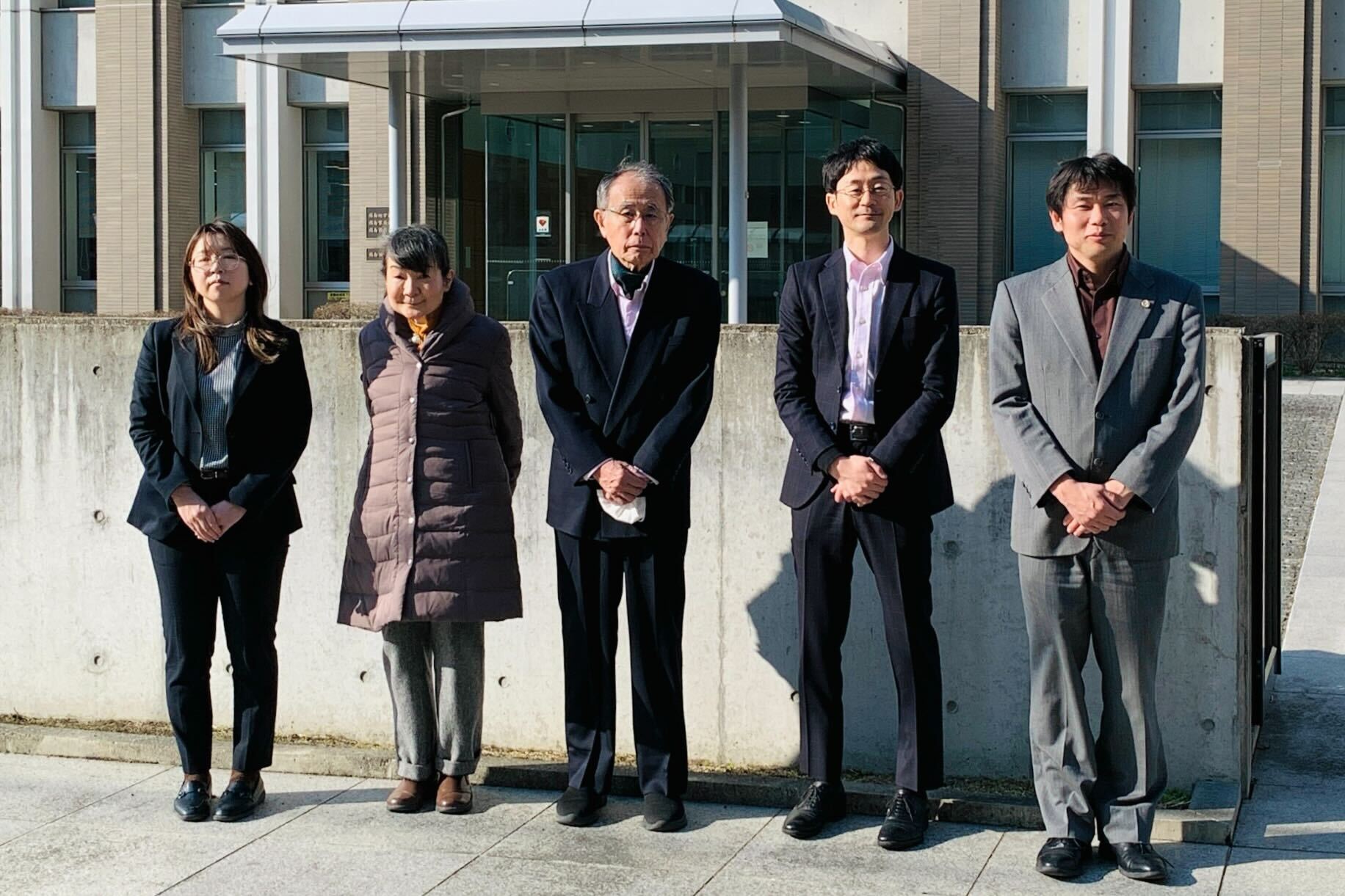
Hirota Tsuguo, Hirota Law Office
Suzuki Nobue, Asano Law Office
Iso Shuichiro, Subaru Law Office
Oki Yuusei, Hirota Law Office
Sawada Tomoyuki, Sugata Law Office
Sugihara Yukiko, Hirota Law Office
In Conclusion
This lawsuit questions the fairness of contracts in local government and, by extension, the way in which government is run.
We believe that if more people become aware of this lawsuit and take an interest in how their local government is run, then the operation of local governments throughout Japan will surely improve.
We are fighting this lawsuit with all our might, hoping that "the administration of our local city of Iwaki will be improved even a little" and "that it will serve as a catalyst for the improvement of local administrations throughout Japan."
We would be grateful for your support.

長岡裕子
お菓子屋の私が、お店近くの公園再整備事業案に疑問と危機感を持ったことがきっかけとなり、提訴に至るまでの約2年の間にいろいろ学びました。この訴訟ばかりでなく、行政の民間委託業務は、他所でもこんなにも謎が多いのものでしょうか。
調べ、学び続けながら、暮らしやすい世の中を作るために、たくさんの方々と問題を考える視点を共有したいと思っています。
こちらの訴訟についてのお問い合せは、以下の訴訟代理人事務所へご連絡ください。
訴訟代理人 広田法律事務所
〒970-8026
福島県いわき市平字八幡小路66番地9
TEL:0246-24-2340 FAX:0246-24-2342
調べ、学び続けながら、暮らしやすい世の中を作るために、たくさんの方々と問題を考える視点を共有したいと思っています。
こちらの訴訟についてのお問い合せは、以下の訴訟代理人事務所へご連絡ください。
訴訟代理人 広田法律事務所
〒970-8026
福島県いわき市平字八幡小路66番地9
TEL:0246-24-2340 FAX:0246-24-2342
あなたにおすすめのケース Recommended case for you



- 外国にルーツを持つ人々 Immigrants/Refugees/Foreign residents in Japan
- ジェンダー・セクシュアリティ Gender/Sexuality
- 医療・福祉・障がい Healthcare/Welfare/Disability
- 働き方 Labor Rights
- 刑事司法 Criminal Justice
- 公正な手続 Procedural Justice
- 情報公開 Information Disclosure
- 政治参加・表現の自由 Democracy/Freedom of Expression
- 環境・災害 Environment/Natural Disasters
- 沖縄 Okinawa
- 個人情報・プライバシー Personal information/Privacy
- アーカイブ Archive
- 全てのケース ALL