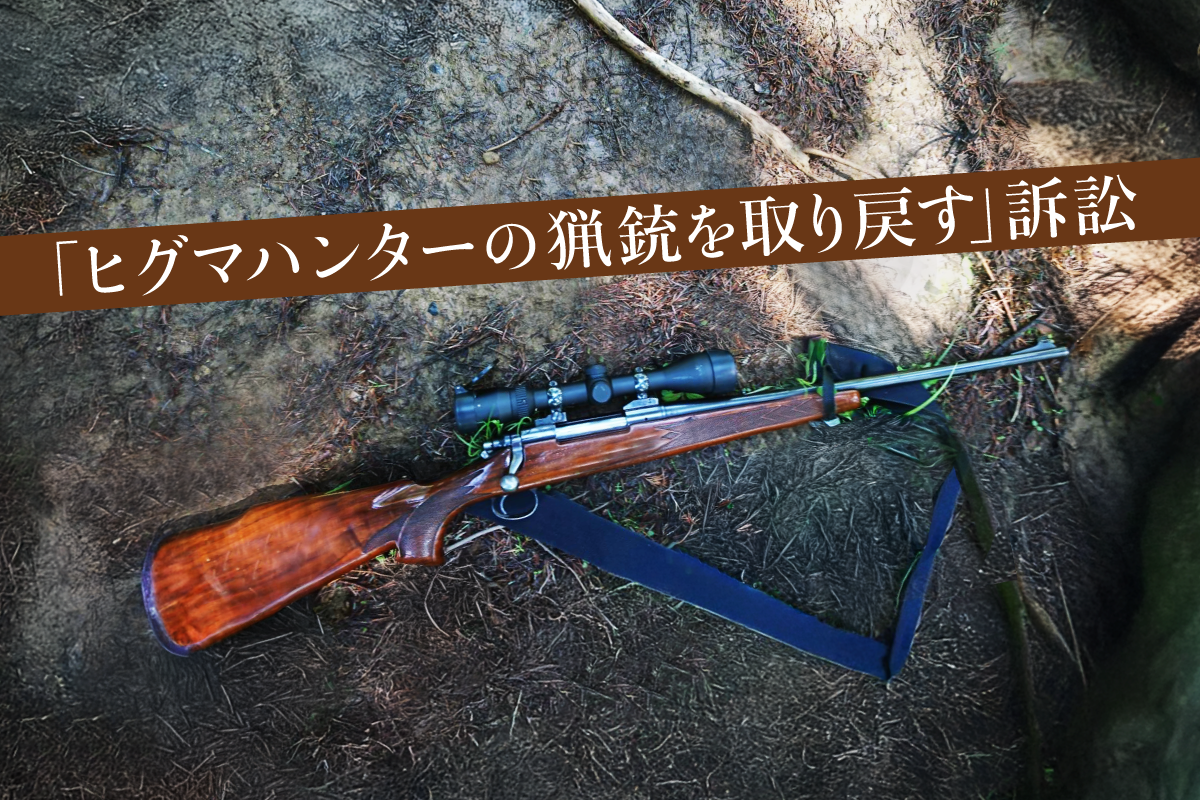
「ヒグマハンターの猟銃を取り戻す」訴訟【アーカイブ】 Lawsuit to Challenge the Unreasonable Gun License Revocation of Bear Hunter in Hokkaido
#公正な手続
#Procedural Justice
#アーカイブ
#Archive
現在の寄付総額 Current Total Raised
2,725,500円 ¥ 2,725,500
目標金額 Target amount
3,000,000円 ¥ 3,000,000
サポーター Supporter
280 人 280 supporters
 寄付の募集は終了しました
Fundraising Closed
寄付の募集は終了しました
Fundraising Closed


その日、原告が一匹の子グマに対して放った弾丸は、紛れもなく、近隣住民をクマ被害から守るためのものでした。原告は市から依頼を受け、周囲の状況に配慮して発射しましたが、その8ヶ月後、危険な発射行為だったとして、原告が猟銃を所持する許可が取り消されてしまいます。このケースは、猟銃所持の許可の取消しは違法であると主張し、クマ被害に対応するハンターの地位、市民の安全や平穏な生活環境を守るための訴訟です。 The plaintiff in this case is a hunter who protected local residents by culling a brown bear at the request of the local municipality. However, two months after the incident, his gun license was revoked for allegedly “dangerous” shooting. This lawsuit aims to reverse this unreasonable revocation and ensure that hunters in Japan could continue to cull bears without fears of arbitrary government decisions.
【2025年12月27日 目標金額を増額いたしました】
本件訴訟では、お蔭様で当初のクラウドファンディングの目標額(100万円)を達成できました。多くの方々の温かいご支援に心より感謝いたします。当初は主に交通費等に充てるためのご寄付をお願いさせていただきましたが、このたびセカンドチャレンジとして、ネクストゴール(300万円)を設定させていただきました。ご寄付は、弁護士費用のほか、最高裁判決後あるいは判決確定後の報告会・集会等の資金等に充てさせていただきます。
最高裁で弁論が開かれることになった本件訴訟は、北海道のみならず全国に影響があり、行政の運用のみならず立法政策にも影響を与えうるものであり、公共訴訟として大きな意義があります。皆様におかれましては、この訴訟の弁護等に関する活動についてぜひご評価いただき、ご寄付をいただけますと幸いです。
よろしくお願いいたします。
事案の概要
原告は北海道砂川市に住むハンターです。
北海道猟友会砂川支部の支部長を務めているほか、砂川市の委嘱する鳥獣被害対策実施隊の隊員も務めています。
原告は北海道公安委員会からライフル銃の所持許可を受け、日々有害鳥獣駆除業務に従事していました。
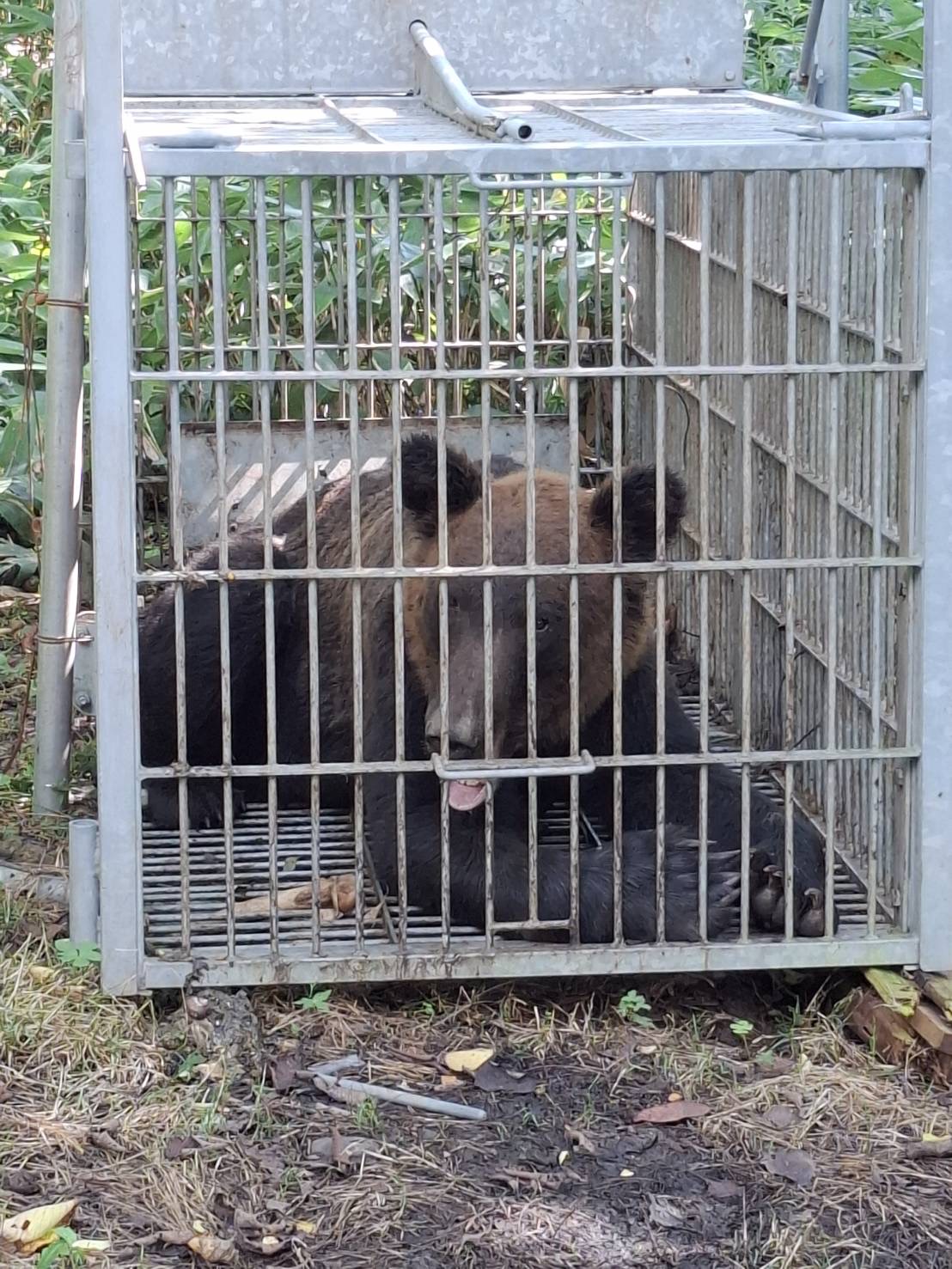
平成30年8月21日、市からクマ駆除の要請を受けた原告は、ヒグマ目撃現場に共猟者とともに赴きました。その当時現場では、3日間にわたりヒグマが相次いで目撃されており、周辺住民の不安の声が高まっていました。
目撃されたヒグマがまだ子グマだったこともあり、当初原告はヒグマを見逃すことを提案します。しかし、市の職員からは、強く駆除を要請されました。 3日連続でヒグマが出没しており、今後も食べ物を当てにして繰り返し現れる可能性が高いこと、地域住民も生活上の不安を強く訴えていることがその理由でした。
市の要請を受けて原告はヒグマの駆除を決意しました。駆除にあたっては、ヒグマの背後に高低差8mもの安土があることを確認しています。さらに原告は、ヒグマが立ち上がるのを待って発砲しました。弾丸はヒグマに命中し、駆除は成功裏に終わりました。
駆除終了後、共猟者も含め特段の異常がないことを確認し、当日は解散しました。
しかし2ヶ月後、「原告の弾丸が跳ね返って共猟者の猟銃に当たり、猟銃が破損した」との共猟者の被害申告をきっかけに、原告の発射行為についての捜査が開始されます。
もっとも、捜査の結果、検察は原告を起訴しなかったのみならず、北海道知事も、鳥獣保護管理法の違反を理由としての猟銃許可の取消しは行いませんでした。
鳥獣の保護及び管理並びに狩猟の適正化に関する法律 第38条3項
弾丸の到達するおそれのある人、飼養若しくは保管されている動物、建物又は電車、自動車、船舶その他の乗物に向かって、銃猟をしてはならない。
にもかかわらず北海道公安委員会は、平成31年4月24日、以下のとおり判断し、原告のライフル銃を所持する許可を取り消します。原告の発射行為は、その弾丸が周囲の「建物」に到達する可能性があり、鳥獣保護管理法の規定に反して銃砲を発射した。そのような発射行為は銃刀法10条2項に違反し、猟銃許可の取消し事由に該当する、と。
銃砲刀剣類所持等取締法
第10条2項
第4条・・・の規定による許可を受けた者は、次の各号のいずれかに該当する場合を除いては、当該許可を受けた銃砲等を発射してはならない。
一 第4条第1項第1号の規定により狩猟又は有害鳥獣駆除の用途に供するため猟銃若しくは空気銃・・・所持の許可を受けた者が、当該用途・・・に供するため、鳥獣の保護及び管理並びに狩猟の適正化に関する法律の規定によりこれらを使用して鳥獣の捕獲等をする場合。(以下略)
二 (略)
第11条1項
都道府県公安委員会は、第四条・・・の規定による許可を受けた者が次の各号のいずれかに該当する場合においては、その許可を取り消すことができる。
一 この法律若しくはこれに基づく命令の規定若しくはこれらに基づく処分(前条第一項の指示を含む。)又は第四条第二項の規定に基づき付された条件に違反した場合
二 (略)
これまでの経緯
訴訟の提起
原告は、公安委員会による猟銃所持許可の取消しは不当であるとして、行政不服審査を求めましたが、棄却されました。
そのため、当該行政処分の取消しを求めて訴訟を提起しました(許可を取り消した公安委員会の処分が取り消されると、原告は猟銃の所持を許可された状態に戻ります)。
審理では、
① 原告の発射行為が「建物」に向けられたものかどうか、
② 発射された弾丸が建物に到達するおそれがあるかどうか、
③ 仮に「弾丸の到達するおそれのある建物」に向けての発砲だとして、本件において所持許可を取り消すことが妥当かどうか、
等が争われました。
札幌地裁の判断(判決全文はこちら)
地方裁判所では、原告の主張が認められ、猟銃所持許可取消処分が違法であるとされました。
札幌地裁は③について、原告は住民の不安が高まる中での要請に応じて出動しており、公共の利益に沿った行動であったこと、ヒグマの背後には高さ8mの草木に覆われた土手があり、発射時の原告の位置からは建物はほとんど見えなかったであろうこと、ヒグマの駆除の後、周辺住民からは安心の声があったことなどを考慮し、猟銃所持の許可の取消しは不合理であり、取消処分は違法であると認定しました。
札幌地裁では、争点に関係ないといいつつも、共猟者の証言の信用性についても詳細に検討し、その証言は信用出来ないと認定しています。
札幌高裁の判断(判決全文はこちら)
しかし、地方裁判所の判断から一転、高等裁判所では原告の主張を認めず、猟銃許可所持の取消しは適法であると認定します。札幌高裁の具体的な判断は以下のとおりです。まず、①および②について、原告による誤射の可能性や跳弾(岩などに当たって跳ね返り、思わぬ方向に飛んでいく弾のこと)の可能性を考慮すれば、発射された弾丸がヒグマに命中していたとしても、その後の弾道の変化によって周辺の建物に到達するおそれがあった。
③について、跳弾により弾丸が建物に到達しうるだけでなく、現場にいた共猟者や警察官、職員にも危険が生じていたことなどから、不合理とはいえない。
また、従来から公的機関はヒグマ駆除について、猟友会の献身的な活動に依存しており、道内でのクマ被害は多発しているものの、これらの事実と取消し処分の違法性は関係がない。
原告は、猟友会の献身的な活動や社会貢献を度外視し、ことさらに跳弾の可能性を強調した高等裁判所の判決に到底納得できず、最高裁判所への上告を決意しました。
裁判の争点
このケースでは、跳弾の危険性を強調する半面、公益活動に従事していたという事実を無視してなされた許可取消し処分の正当性が争点です。前提として、①「建物に向けての発砲」といえるかが問題となり、それが認定されても、次に②取消処分が相当か否かが問題となります。
① 発射行為の安全性
そもそも「弾丸の到達するおそれのある建物」に向けての発砲かどうかが問題です。
原告の発射した弾丸が建物に到達する可能性が否定されれば、猟銃所持を取り消す理由はなくなるため、公安委員会の取消処分は違法といえます。
控訴審では、安土に当たった弾丸が跳弾することで「建物」に到達するおそれがあるのかが問題とされました。
原告が発射を行った当時、ヒグマの背後にあった斜面は、ごく普通の草木の生い茂った山でした。その普通の里山の斜面が「跳弾の可能性」ありとされると、日本全国どこの山でも、有害駆除活動が出来なくなります。札幌高裁は、跳弾が生じるわずかな可能性と、その跳弾が複数回生じうるというさらにわずかな可能性を重視していますが、不合理であると言わざるを得ません。
このような判断が確定すれば、およそいかなる発砲行為も建物に到達可能性があると判断されかねません。
② 取消処分の相当性
万が一建物に弾丸が到達するおそれを完全に否定出来なかったとしても、それを理由に猟銃所持許可を取り消すかどうかはまた別の問題です。
本件においては、有害鳥獣駆除という公益的な業務に従事し、かつ被害なく駆除を成功させたにも関わらず、所持許可を取り消された事件です。控訴審判決が確定すると、ハンターは安心して有害鳥獣駆除業務を行えません。
実際に、この事件が報道されてから、ハンターたちからは、安心して発砲出来ないという苦情が多く寄せられており(萎縮的効果)、現場に混乱を生じさせています。(古畑航希「クマ駆除『要請応じない』支部判断も容認 北海道猟友会が通知へ」朝日新聞デジタル2025年11月24日・同月25日更新)
本件のような許可取消しが横行すれば、人材育成への悪影響や有害駆除の担い手の減少すら招きかねません。公安委員会の処分は著しく不合理であり、違法です。
③ その他の問題点
原告らは、高等裁判所の審理や判断の不合理性についても主張します。
◆ 捜査の端緒と処分の理由食い違い
そもそも、このケースの発端は、共猟者からの、銃が破損したとの被害申告でした。しかし、公安委員会は、原告の発射した弾丸が「人」ではなく、建物に到達する可能性があったとして、許可を取り消しています。
そのため、ことの発端(「人」への到達可能性)と許可取消し処分の理由(「建物」への到達可能性)とで食い違いが生じていますが、このケースは処分の取消しの違法性が問題となっており、「建物」への到達可能性が本来的な問題です。
実際に第1審や第2審の争点整理の段階では、共猟者の被弾は本件とは関係がないとされていました。
◆ 「人」への跳弾の認定
一方で、札幌高裁は「人」である共猟者が跳弾により被弾したと認定し、それが本件発砲行為の危険性を裏付けるものであるとして、公安委員会の所持許可取消の判断は正当だったと認定しています。これは「建物」への到達可能性の問題であるにも関わらず、取消処分正当化の根拠を共猟者(「人」)の被弾に求めるものであり、実質的に処分の構成要件を骨抜きにするものです。
さらに、共猟者の被弾を認めた札幌高裁の事実認定にも問題があります。本件では、跳弾したとされる弾丸は見つかっていません。共猟者の銃床に跳弾によって生じたとされる損傷も、たった1枚の写真が添付されているだけで、発砲行為との因果関係については、硝煙反応の有無や金属片の付着の有無など、なんら科学的捜査による裏付けもなされていません。
加えて、第1審では「疑問を差し挟むべき不自然な点が多々みられるものといわざるを得ない」とされた共猟者の証言について、札幌高裁は一切、証言の信用性について判断していません。一審判決を覆すのに、一審判決の判決理由の批判を全くしないまま、札幌高裁は一審を破棄したのです。
社会的意義
我々の目的は、池上さんに銃を取り戻させることだけではありません。
将来のハンターが安心して有害駆除活動に従事する環境を取り戻すことが一番の目的です。
併せて、広範な裁量権をもつ公安委員会が、恣意的な裁量権行使をしないようにさせることも本訴訟の目的です。
有害鳥獣の駆除という役割の尊重
各所で報道されているとおり、昨今はクマ被害が急激に増加しており、有害鳥獣を駆除するという社会的役割の重要性が非常に高まっています。(環境省「クマ類の生息状況、被害状況等について」5頁等参照)
現場の混乱や萎縮的効果を取り除くこと
高裁判決を受け、北海道猟友会の会長が本件発射地点を確認しに訪れました。
会長も、本件現場の斜面について「これがバックストップではないと判断されれば、われわれはどこも撃てない。(判決が確定すれば)ヒグマ駆除の要請があっても撃つのは非常に厳しい」と述べています。
北海道猟友会としても、今後自治体からのヒグマの駆除要請に対し、自治体や警察との連携が不十分な支部に対しては要請を拒否することを検討するなど、有害駆除現場には多大な混乱が生じています。
近隣住民の保護・駆除にあたる人材の確保
こうした現状を放置すれば、近隣住民の安全や財産、平穏な生活環境が害されてしまううえ、有害鳥獣の駆除にあたる人材の確保がより一層難しくなり、担い手の減少も招きかねません。
寄付金の使途
ファーストゴールを100万円に設定しました。
以下のとおり、確定した経費だけですでに60万円ほど支出する必要があります。これに弁護士の報酬を加えた額として上記金額となりました。
令和6年12月20日に上告理由書・上告受理申立理由書を提出してから、早1年が経過しました。今後、最高裁での弁論が開始された場合、池上さんと弁護団が最高裁判所に出廷する必要があります。
今のところ予想する経費は下記のとおりです。
① 訴訟提起のための必要経費 現時点で3万9,000円+α
一審の貼用印紙額 1万3,000円
上告のための印紙額 2万6,000円
その他、コピー代や書類郵送用の切手代等が発生しています。
② 旅費交通費 現時点で52万8,000円
北海道からの上京費用 8万×4回分=32万円
1回につき前後泊予定。中村と池上の2人で、2回の出廷を予定しています。
三重からの上京費用 3万2,000円×4回分=12万8,000円
伊藤弁護士の上京費用です。新幹線での日帰りの予定です。
三重から砂川の現場検証立会のための旅費 約8万円
令和6年1月に、伊藤弁護士が三重県から現場検証に立ち会いました。約8万円の支出が必要でした。
さらに、最高裁判所の判決が破棄自判ではなく破棄差戻しとなった場合、札幌高等裁判所で再び審理されることとなります。
その場合、口頭弁論期日だけでなく、現場検証を再度やり直すことがあるかも知れません。
③ 弁護士費用
上記の経費を補填した残りが生じた場合、3人の弁護士の報酬に充てさせていただけると助かります。
原告の思い
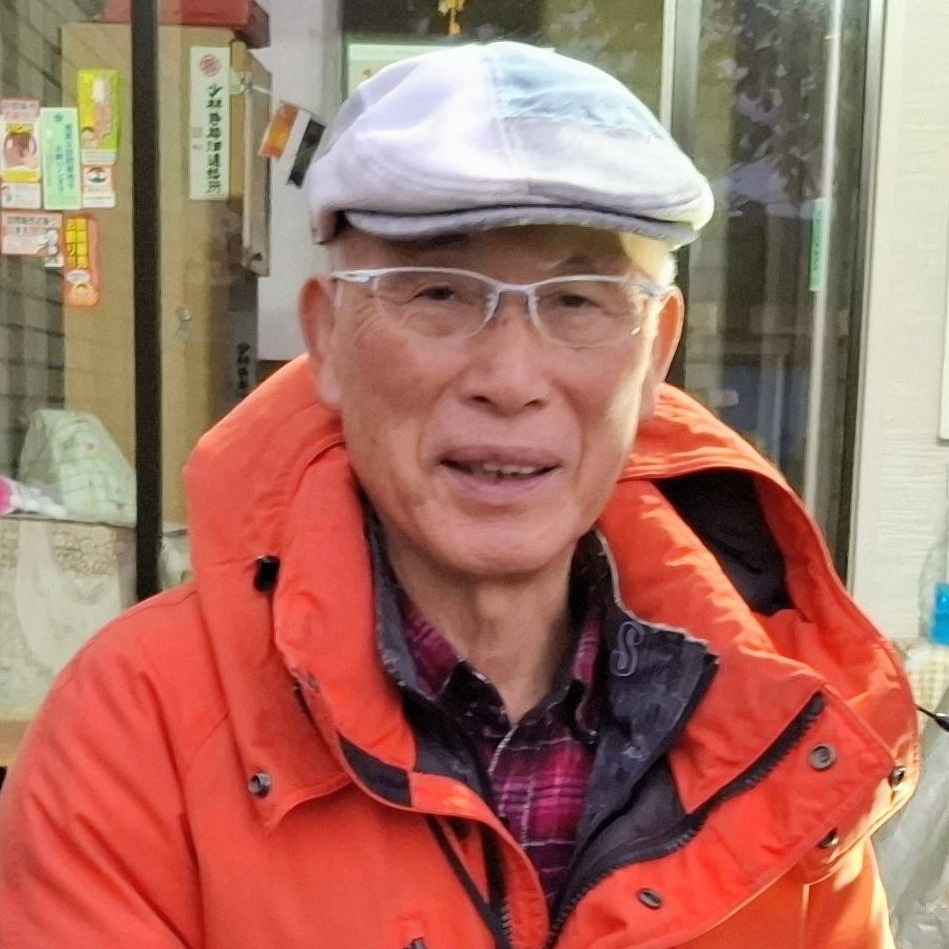
原告 池上治男さん
池上治男です。私は昭和56年に猟銃所持許可を受けて以来、砂川市から鳥獣対策委員を拝命し、砂川市のみならず近隣市町村においてもヒグマをはじめとする有害鳥獣の駆除の業務に携わってきました。
平成30年に本件銃所持許可取消処分を受け、ライフル銃を取り上げられましたが、北海道からは引き続き狩猟免許の更新を受けておりますし、砂川市の鳥獣対策委員も引き続き拝命しております。
そのため、銃を取り上げられた後もほぼ毎朝、ヒグマの出没を確認するための見回りを行っていますし、行政からの要請を受け、ヒグマの出没情報があれば現場に駆けつけて助言を行い、箱罠の設置等も行っています。
今回の処分の対象となったヒグマの駆除も、市の要請に基づくものでした。私は、ヒグマが子熊であったことから、ヒグマを追い払えばよいと当初考えたのですが、連日親子グマが出没していたことから近隣住民の不安が強く、市からも駆除を求められたため、やむなく駆除に至ったものです。
令和7年は、例年になくヒグマの出没の多い年でした。不幸なことに、北海道内でも2件の死亡事故が発生しましたし、クマによる人身被害は北海道のみならず全国で多数発生するようになりました。私の事件のせいで、猟友会員ら有害駆除に従事する現場からは、安心して発砲出来ないという不安の声が多く寄せられています。
最高裁には、ハンターが安心して発砲できるよう、判断してもらいたいと思います。皆様のご協力をお願いします。
私の活動については、下記動画や報道記事でも紹介されております。ご高覧ください。
担当弁護士のメッセージ
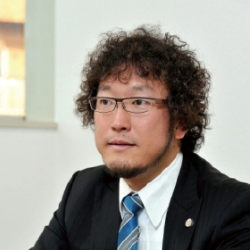
弁護士の中村は、池上さんと同じ北海道猟友会砂川支部に所属するハンターです。
本件については、本件処分が下される前の刑事事件から関与しています。刑事事件で池上さんは不起訴となったものの、本件取消処分に向けた行政手続が開始されたことから、聴聞手続、処分決定後の行政不服審査を経て、本件訴訟も一審から闘ってきました。今までは、池上さん個人の事件ではなく公益的な事件であるということで、費用をいただいておりませんでした。
中村の力不足で、札幌高等裁判所から逆転敗訴判決を受けてしまいました。
その際に、手弁当で弁護団への加入を申し入れていただいたのが、三重県猟友会の顧問弁護士を務めている伊藤正朗弁護士でした。
さらに、上告審を闘うための理論的援助が必要であったため、行政法の研究者でもある平裕介弁護士にもご加入いただきました。なお、平弁護士は、行政裁量の統制について研究しており、また、法律雑誌で本件の札幌地裁判決の評釈を書いています(平裕介「猟銃所持許可取消処分に係る裁量権の逸脱・濫用」法学セミナー806号(2022年)119頁)。
このようにして、少数ながら最強の援護を受けられる体制が整いました。
本件は、処分をするか否かの裁量権をもつ公安委員会が、その裁量を逸脱・濫用して権力を行使した事件です。
本件発砲がなされたヒグマの駆除活動には、警察官も臨場していました。臨場した警察官は、現場では何も問題がなかったと法廷でも証言しています。今回の処分は、現場にはいなかった別の警察官が決定したものです。
すでに述べたとおり、今回の処分のきっかけは、共猟者からの通報が発端です。この通報は原告による発砲後、2か月も経過した後になされたものですし、発砲後から通報がなされるまでの約2ヶ月間、本件発砲行為が問題視されることもありませんでした。
一審では、共猟者の証言は詳細に吟味され、信用性が否定されましたが、控訴審判決では、共猟者の証言の信用性については一切触れられないまま、なぜか跳弾の事実が認定されてしまいました。
公務員に対して異常に甘い裁判所の認定にも異議を唱えたいです。
担当弁護士の紹介
中村憲昭 札幌弁護士会 中村憲昭法律事務所
伊藤正朗 三重県弁護士会 南新町法律事務所
平 裕介 東京弁護士会 AND綜合法律事務所
おわりに
今回の事件は、池上さん個人の問題にとどまらず、有害駆除業務に従事するハンター全員の利益を守るための訴訟です。
のみならず、恣意的な行政権の行使を防止するという意味でも、あるいはヒグマの被害を防止するという意味でも、市民にとっても利害関係のある、公益的な訴訟であると我々は判断しています。
以上のことから、本件はまさに「公共訴訟」です。私たちの活動を市民の皆さんがどのように評価していただけるのか、不安でもあり、また期待もしています。短期間での寄付のお願いになってしまいますが、ぜひご協力をお願いします。
*Tranlated by Google translate
[The target amount was increased on December 27, 2025]
Thanks to your support, we were able to reach our initial crowdfunding goal (1 million yen) for this lawsuit. We are truly grateful for the generous support of so many people. Initially, we asked for donations mainly to cover travel expenses, but we have now set a next goal (3 million yen) as our second challenge. Donations will be used to cover legal fees as well as funds for report sessions and meetings after the Supreme Court ruling or the ruling is finalized.
This lawsuit, which is now being heard at the Supreme Court, will have an impact not only on Hokkaido but on the entire country, and may have an impact not only on administrative operations but also on legislative policy, making it a public lawsuit of great significance. We would appreciate your appreciation for our activities related to the defense of this lawsuit and any donations you may make.
Thank you very much.
Overview of the case
The plaintiff is a hunter living in Sunagawa City, Hokkaido.
He serves as the branch chief of the Sunagawa branch of the Hokkaido Hunters' Association, and also serves as a member of the Bird and Animal Damage Control Team commissioned by Sunagawa City.
The plaintiff received a permit to possess a rifle from the Hokkaido Prefectural Public Safety Commission and was engaged in the daily work of exterminating harmful birds and animals.
On August 21, 2018, the plaintiff, who had received a request from the city to exterminate a bear, went to the site of a brown bear sighting with a fellow hunter. At the time, brown bears had been spotted one after another over a three-day period, causing growing concern among local residents.
Because the brown bear spotted was still a cub, the plaintiff initially suggested leaving it alone. However, city officials strongly urged them to exterminate it. The reason given was that the bear had been seen for three consecutive days, and there was a high possibility that it would continue to appear in search of food, and local residents were also expressing strong concerns about its impact on their lives.
At the request of the city, the plaintiff decided to exterminate the brown bear. Before exterminating the bear, he confirmed that there was a 8m height difference behind the bear. The plaintiff then waited for the bear to stand up before firing. The bullet hit the bear, and the extermination was successful.
After the extermination was completed, we confirmed with our fellow hunters that there were no particular abnormalities, and disbanded for the day.
However, two months later, an investigation into the plaintiff's firing of the gun was launched after a fellow hunter reported that the plaintiff's bullet had ricocheted off and hit the fellow hunter's hunting rifle, damaging it.
However, as a result of the investigation, not only did the prosecution not indict the plaintiff, but the Governor of Hokkaido also did not revoke the plaintiff's hunting rifle permit on the grounds of violating the Wildlife Protection and Management Act.
Law Concerning the Protection and Management of Birds and Beasts and the Rationalization of Hunting Article 38, Paragraph 3 <br>Hunting with a gun is prohibited at people, kept or stored animals, buildings, or trains, automobiles, ships, or other vehicles that may be within the reach of the bullets.
Despite this, on April 24, 2019, the Hokkaido Prefectural Public Safety Commission ruled as follows and revoked the plaintiff's rifle permit: The plaintiff's firing of a firearm violated the Wildlife Protection and Management Act, as the bullets could have reached nearby buildings. Such firing violated Article 10, Paragraph 2 of the Swords and Firearms Control Act, and constituted grounds for revocation of the hunting rifle permit.
Firearms and Swords Possession Control Act
Article 10, Paragraph 2<br>A person who has received permission pursuant to the provisions of Article 4... shall not fire the firearm or other weapon for which he has received permission, except in any of the following cases:
(i) When a person who has been granted permission to possess a hunting rifle or air rifle for the purpose of hunting or exterminating harmful birds and animals pursuant to the provisions of Article 4, Paragraph 1, Item 1, uses such a rifle or air rifle to capture birds and animals for that purpose pursuant to the provisions of the Act on the Protection and Management of Birds and Animals and the Rationalization of Hunting. (Omitted)
Two (omitted)
Article 11, Paragraph 1 <br>The Prefectural Public Safety Commission may revoke the license granted pursuant to the provisions of Article 4 if the person falls under any of the following items:
(i) In the event of a violation of the provisions of this Act or orders thereunder, or dispositions thereunder (including the instructions under Paragraph (1) of the preceding Article), or conditions imposed pursuant to the provisions of Paragraph (2) of Article 4; (omitted)
History
Filing of lawsuit
The plaintiff filed an administrative appeal, claiming that the Public Safety Commission's revocation of his hunting rifle permit was unjust, but the appeal was dismissed.
Therefore, a lawsuit was filed seeking the cancellation of the administrative action (if the Public Safety Commission's action to revoke the license is cancelled, the plaintiff will once again be permitted to possess a hunting rifle).
At the hearing,
1) Whether the plaintiff's firing was directed at a "building"
② Whether there is a risk that the fired bullets will reach the building,
3) If the shooting was aimed at a "building where the bullets could reach," would it be appropriate to revoke the possession permit in this case ?
etc. were contested.
Sapporo District Court ruling (full text here )
The district court ruled in favor of the plaintiff and ruled that the revocation of his hunting rifle license was illegal.
Regarding ③, the Sapporo District Court took into consideration the fact that the plaintiff had responded to a request amid growing anxiety among residents and that his actions were in the public interest; that there was an 8m-high embankment covered with vegetation behind the brown bear and that the buildings would have been barely visible from the plaintiff's position when the shot was fired; and that local residents had expressed relief after the bear was exterminated, and therefore found the revocation of the hunting rifle permit to be unreasonable and the revocation order to be illegal.
Although the Sapporo District Court stated that this was not relevant to the issue at hand, it also carefully examined the credibility of the testimony of the fellow hunter and determined that the testimony was not credible.
Sapporo High Court ruling (full text here )
However, in a complete reversal of the District Court's decision, the High Court rejected the plaintiff's argument and ruled that the revocation of the hunting rifle permit was lawful. The Sapporo High Court's specific ruling is as follows: Regarding ① and ②, taking into consideration the possibility of the plaintiff firing an incorrect shot or a ricochet (a bullet that bounces off a rock or other object and flies in an unexpected direction), even if the bullet had hit the brown bear, there was a risk that the subsequent change in trajectory could have led to it reaching a nearby building.
Regarding ③, not only could the bullet have ricocheted and reached the building, but it also posed a danger to fellow hunters, police officers, and staff at the scene, so it cannot be said to be unreasonable.
Furthermore, public institutions have traditionally relied on the dedicated efforts of hunting associations to exterminate brown bears, and although there have been many bear attacks in Hokkaido, these facts have no bearing on the illegality of the cancellation order.
The plaintiffs were completely dissatisfied with the High Court's ruling, which ignored the dedicated activities and social contributions of the hunting association and specifically emphasized the possibility of ricochets, and decided to appeal to the Supreme Court.
Issues in the trial
In this case, the issue is the legitimacy of the revocation of the permit, which was made while emphasizing the risk of ricochets and ignoring the fact that the person was engaged in public interest activities. The first issue is whether the incident can be considered "firing at a building," and even if this is recognized, the next issue is whether the revocation was appropriate.
① Safety of launching
The first issue is whether the shots were fired at a "building that the bullets could reach."
If the possibility that the bullet fired by the plaintiff could reach the building is denied, there is no reason to revoke his hunting rifle possession, and therefore the Public Safety Commission's cancellation order can be said to be illegal.
In the appeals court, the issue raised was whether there was a risk that the bullet that hit Azuchi could ricochet and reach the "building."
At the time the plaintiff fired the shot, the slope behind the brown bear was a mountain with ordinary vegetation. If this ordinary satoyama slope were deemed to have the "possibility of a ricochet," it would make it impossible to carry out pest control activities on any mountain in Japan. The Sapporo High Court emphasized the slight possibility of a ricochet and the even more slight possibility that the ricochet could occur multiple times, but this must be said to be unreasonable.
If such a determination is confirmed, it could be determined that almost any shooting could reach the building.
② Reasonableness of the cancellation
Even if it is not possible to completely rule out the possibility of a bullet reaching a building, whether or not to revoke a hunting rifle permit for that reason is another matter.
In this case, the hunter engaged in the public service of exterminating harmful birds and animals, and despite successfully exterminating them without causing any damage, his license was revoked. If the appeal court's decision becomes final, hunters will no longer be able to carry out their work of exterminating harmful birds and animals with peace of mind.
In fact, since this incident was reported, many hunters have complained that they can no longer fire their guns safely (a chilling effect), causing confusion on the ground. (Furuhata Koki, "Hokkaido Hunters' Association to Issue Notice Accepting Branch Decision to Refuse to Comply with Bear Extermination Requests," Asahi Shimbun Digital, November 24, 2025, updated November 25, 2025)
If license revocations like this one become widespread, it could have a negative impact on human resource development and even lead to a decrease in the number of people involved in pest control. The Public Safety Commission's disciplinary action is grossly unreasonable and illegal.
3) Other issues
The plaintiffs also argue that the High Court's hearing and decision were unreasonable.
◆ Discrepancies between the start of the investigation and the reasons for the punishment
The case began when a fellow hunter reported that his gun had been damaged. However, the Public Safety Commission revoked the permit, stating that the bullet fired by the plaintiff could have hit a building rather than a person.
Therefore, there is a discrepancy between the origin of the matter (the possibility of reaching a person) and the reason for the revocation of the permit (the possibility of reaching a building), but in this case the issue is the illegality of the revocation of the permit, and the real issue is the possibility of reaching a building.
In fact, at the stage of clarifying the issues in the first and second trials, it was determined that the shooting of the fellow hunter was unrelated to the case.
◆ Recognition of ricochets to "people"
On the other hand, the Sapporo High Court found that the fellow hunter, who was a "person," was hit by a ricochet, and that this confirmed the danger of the shooting in question, and therefore found that the Public Safety Commission's decision to revoke the possession permit was justified. This requires the fellow hunter ("person") to be hit by a bullet, even though the issue is whether the "building" can be reached, and essentially undermines the elements of the sanction.
Furthermore, there are problems with the Sapporo High Court's findings of fact, which found that the fellow hunter was shot. In this case, the alleged ricochet bullet was never found. The damage to the fellow hunter's gun stock that was allegedly caused by the ricochet was only shown in a single photograph, and the causal relationship between the shooting and the bullet was not supported by any scientific investigation, such as whether there was a gunpowder reaction or whether there were any metal fragments attached.
Furthermore, the Sapporo High Court did not make any judgment on the credibility of the testimony of the fellow hunter, which in the first instance was deemed to contain "numerous unnatural points that should raise doubts." In overturning the first instance judgment, the Sapporo High Court did not criticize the reasons for the first instance judgment at all.
social significance
Our goal is not just to get Mr. Ikegami his gun back.
Our main goal is to restore an environment where future hunters can safely engage in pest control activities.
Another purpose of this lawsuit is to prevent the Public Safety Commission, which has broad discretionary power, from exercising that power arbitrarily.
Respect for the role of exterminating harmful birds and animals
As has been reported in various media, there has been a sudden increase in bear damage in recent years, and the importance of the social role of exterminating harmful birds and animals has become extremely high. (See page 5 of the Ministry of the Environment's "On the habitat and damage caused by bears").
Eliminate confusion and chilling effects on the job site
Following the high court ruling, the chairman of the Hokkaido Hunters' Association visited the launch site to confirm the incident.
The chairman also said about the slope at the site of the incident, "If it is determined that this is not a backstop, we will not be able to shoot anywhere. (If the ruling is finalized) it will be very difficult to shoot even if there is a request to exterminate the brown bears."
The Hokkaido Hunters' Association is also considering refusing requests from local governments to exterminate brown bears from branches that do not cooperate sufficiently with local governments and the police, causing great confusion at the pest extermination sites.
Securing personnel to protect and exterminate nearby residents
If this situation is left unchecked, it will not only harm the safety, property, and peaceful living environment of local residents, but it will also make it even more difficult to secure personnel to exterminate harmful birds and animals, which could lead to a decrease in the number of people who can do this work.
Use of donations
We set our first goal at 1 million yen.
As shown below, we have already had to spend approximately 600,000 yen on confirmed expenses alone. The amount above is the sum of this amount plus attorney's fees.
It has already been a year since the filing of the Statement of Grounds for Appeal and the Statement of Grounds for Acceptance of Appeal on December 20, 2024. If the trial at the Supreme Court begins in the future, Mr. Ikegami and his legal team will need to appear in court.
Currently, the estimated costs are as follows:
① Necessary expenses for filing a lawsuit: Currently, 39,000 yen + α
The amount of stamp duty required for the first instance trial was 13,000 yen, and the amount of stamp duty required for the appeal was 26,000 yen.Other costs incurred included the cost of copying and postage for mailing documents.
② Travel expenses: 528,000 yen at present <br> Expenses for travelling from Hokkaido to Tokyo: 80,000 yen x 4 times = 320,000 yen
They plan to stay overnight before and after each appearance. Nakamura and Ikegami are scheduled to appear in court twice.
The cost of travelling from Mie to Tokyo is 32,000 yen x 4 times = 128,000 yen. This is the cost of Attorney Ito travelling to Tokyo. It is planned to be a day trip by Shinkansen.
Travel expenses from Mie to Sunagawa to attend the on-site inspection: approximately 80,000 yen. In January 2024, Attorney Ito attended the on-site inspection from Mie Prefecture. This required expenditure of approximately 80,000 yen.
Furthermore, if the Supreme Court's decision is reversed and remanded rather than reversed, the case will be heard again at the Sapporo High Court.
In that case, not only may oral argument be held, but on-site inspections may also need to be redone.
③ Attorney's fees <br>If there is any remaining money after covering the above expenses, we would appreciate it if you could use it to pay the fees of our three attorneys.
Plaintiff's thoughts
Plaintiff Haruo Ikegami
My name is Haruo Ikegami. Since I received my hunting rifle license in 1981, I have been appointed as a wildlife control committee member by Sunagawa City, and have been involved in the extermination of harmful birds and animals, including brown bears, not only in Sunagawa City but also in neighboring cities and towns.
In 2018, my gun possession permit was revoked and my rifle was confiscated, but I continue to receive renewed hunting licenses from Hokkaido and continue to serve as a wildlife control committee member in Sunagawa City.
For this reason, even after his gun was confiscated, he continues to patrol almost every morning to check for the presence of brown bears, and upon request from the government, if there is information about a brown bear sighting, he rushes to the scene to provide advice and set up box traps, etc.
The extermination of the brown bear that was the subject of this disciplinary action was also at the request of the city. Since the brown bear was a cub, I initially thought that it would be enough to just chase the bear away, but as the mother and cub had been spotted every day, local residents were very concerned, and the city also requested that the bear be exterminated, so I was forced to exterminate it.
The year 2025 was an unusually high year for brown bear sightings. Unfortunately, two fatal accidents occurred in Hokkaido, and bear-related injuries have become numerous not only in Hokkaido but across the country. Because of my incident, many members of the hunting association and others engaged in pest control have expressed concern that they can no longer fire their guns safely.
We hope that the Supreme Court will make a decision that will allow hunters to fire their guns with peace of mind. We ask for your cooperation.
My activities are also introduced in the videos and news articles below. Please take a look.
Message from the lawyer in charge
Lawyer Nakamura is a hunter who belongs to the same Sunagawa branch of the Hokkaido Hunters' Association as Ikegami.
We have been involved in this case since the criminal case, before the disposition was handed down. Although Mr. Ikegami was not indicted in the criminal case, administrative procedures were initiated to revoke the disposition, and we have been fighting this lawsuit from the first instance, going through the hearing procedures and the administrative appeal review after the disposition was decided. Until now, we have not received any expenses because this is a case in the public interest, not a personal case involving Mr. Ikegami.
Due to Nakamura's lack of ability, the Sapporo High Court reversed the case and ruled against him.
At that time, lawyer Masaaki Ito, who serves as legal advisor to the Mie Prefecture Hunters' Association, offered to join the legal team at no cost to us.
Furthermore, because theoretical support was needed to fight the appeal, we also brought on attorney Yusuke Taira, who is also a researcher in administrative law. Taira has researched the control of administrative discretion and has written a commentary on the Sapporo District Court ruling in this case in a legal journal (Yusuke Taira, "Abuse and Abuse of Discretionary Power in the Revocation of Hunting Rifle Possession Permits," Law Seminar No. 806 (2022), p. 119).
In this way, a system was put in place that allowed us to receive the strongest support possible, even if we were a small group.
This case involves the Public Safety Commission, which has discretion over whether or not to take disciplinary action, exceeding and abusing that discretion in its exercise of power.
Police officers were also present during the bear extermination operation in which the shooting occurred. The police officers who were present testified in court that there were no problems at the scene. The punishment was decided by another police officer who was not present at the scene.
As already mentioned, the trigger for this disciplinary action was a report from a fellow hunter. This report was made two months after the plaintiff fired the shot, and in the two months between the shooting and the report, the shooting in question had not been considered a problem.
In the first trial, the testimony of the co-hunter was examined in detail and its credibility was denied, but in the appeal court ruling, the fact of the ricochet was somehow acknowledged without any mention of the credibility of the co-hunter's testimony.
I would also like to challenge the court's unusually lenient rulings toward public servants.
Introduction of the lawyer in charge
Noriaki Nakamura, Sapporo Bar Association Noriaki Nakamura Law Office Masaaki Ito, Mie Bar Association Minami-Shinmachi Law Office Yusuke Taira, Tokyo Bar Association AND Sogo Law Office
Conclusion
This case is not just a personal issue for Mr. Ikegami, but a lawsuit to protect the interests of all hunters engaged in pest control work.
Furthermore, we believe that this is a lawsuit in the public interest that also has a stake in the citizens, in the sense of preventing the arbitrary exercise of administrative power and preventing harm to brown bears.
For all of the above, this case is truly a "public lawsuit." We are both anxious and hopeful about how our activities will be evaluated by the public. We are asking for donations in the short term, but we would appreciate your cooperation.

「ヒグマハンターに猟銃を取り戻す」訴訟弁護団
ヒグマ駆除という公益活動に従事し、それが成功したにも関わらずライフル銃を取り上げられてしまった、池上治男さんの弁護団です。
ご連絡先:
札幌市中央区南一条西10丁目 南一条法務税務センター8階
中村憲昭法律事務所
電話 011-272-1266 FAX 011-272-1288
Email:naka-nori-lo@muse.ocn.ne.jp
ご連絡先:
札幌市中央区南一条西10丁目 南一条法務税務センター8階
中村憲昭法律事務所
電話 011-272-1266 FAX 011-272-1288
Email:naka-nori-lo@muse.ocn.ne.jp
あなたにおすすめのケース Recommended case for you



- 外国にルーツを持つ人々 Immigrants/Refugees/Foreign residents in Japan
- ジェンダー・セクシュアリティ Gender/Sexuality
- 医療・福祉・障がい Healthcare/Welfare/Disability
- 働き方 Labor Rights
- 刑事司法 Criminal Justice
- 公正な手続 Procedural Justice
- 情報公開 Information Disclosure
- 政治参加・表現の自由 Democracy/Freedom of Expression
- 環境・災害 Environment/Natural Disasters
- 沖縄 Okinawa
- 個人情報・プライバシー Personal information/Privacy
- アーカイブ Archive
- 全てのケース ALL