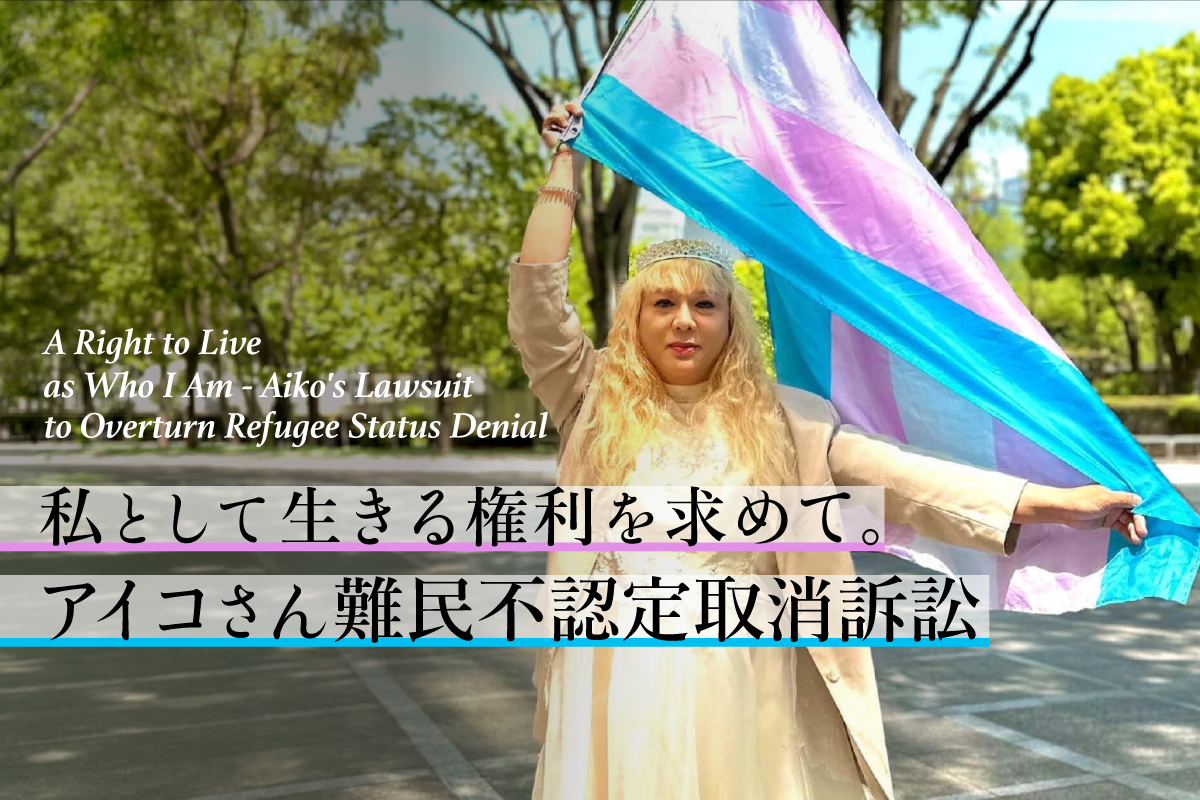
私として生きる権利を求めて。アイコさん難民不認定取消訴訟 A Right to Live as Who I Am - Aiko’s Lawsuit to Overturn Refugee Status Denial
#外国にルーツを持つ人々
#Immigrants/Refugees/Foreign residents in Japan
#ジェンダー・セクシュアリティ
#Gender/Sexuality
現在の寄付総額 Current Total Raised
91,000円 ¥ 91,000
目標金額 Target amount
1,000,000円 ¥ 1,000,000
サポーター Supporter
18 人 18 supporters
 寄付する
Donate Now
寄付する
Donate Now


アイコさんは、フィリピン出身のトランス女性として、越境するトランスの生存権の闘いを追求しています。1999年に、フィリピンでのLGBTQIA+存在への迫害のため、日本に逃れました。フィリピンで迫害を受ける恐れのある重大なリスクに晒されるため、日本での庇護を求めています。彼女は現在、安全に暮らせるよう、東京入国管理局を相手取り、難民不認定の取り消しを求めて、東京地方裁判所で訴訟を起こしています。 Aiko is a transwoman from the Philippines pursuing a cross-border fight for trans rights to survive. In 1999 she fled to Japan due to persecution of LGBTQIA+ existence in the Philippines. She is seeking asylum in Japan due to serious risks of violence and discrimination she faces as transgender in the Philippines, and is now fighting a lawsuit in the Tokyo District Court against the Tokyo Immigration Bureau to revoke its non-refugee recognition decision so that she can live safely in Japan.
※このページには、性暴力やトランスジェンダーの方への暴力・差別に関する体験談や描写が含まれています。これらの内容により精神的な苦痛や不快感を感じる可能性のある方は、ご自身の状態に応じて閲覧をご判断ください。
はじめに
本件は、トランスジェンダー女性である原告が、フィリピンにおいて深刻な暴力や差別を受け、日本で難民認定を求めたものの不認定とされたため、その取消しを求めている訴訟です。
原告は、フィリピンで性暴力や脅迫、差別を受け、日本で保護を求めました。しかし、日本政府は難民とは認めませんでした。
本件では、性的マイノリティに対する迫害を、日本の難民認定制度が適切に評価しているのかが問われています。
原告からのメッセージ
原告 アイコさん
私はトランスジェンダー女性として、フィリピンで長年、差別や暴力、性暴力にさらされながら生きてきました。仕事の機会も限られ、1999年、日本へ来ました。
日本ではじめて、フィリピンで経験してきたような暴力や深刻な差別を受けずに暮らすことができました。東京には大切な家族もいて、姪や甥の成長をそばで見守りたいと思っています。
しかし、日本で難民申請をしたものの、2023年、私は難民として認められませんでした。トランスジェンダーの人々が迫害の対象となり得ることは国際的にも認められているにもかかわらず、私の経験や恐怖は十分に理解されませんでした。
フィリピンでは今も、トランスジェンダーの人々に対する暴力やヘイトが続いています。私自身も幼いころから虐待や性暴力を受け、帰国した際にも差別や侮辱を経験してきました。その記憶はいまも深い傷となって残っています。
私は、この裁判を自分自身の安全のためだけでなく、フィリピン、そして世界中のトランスジェンダーの人々に対する差別や迫害を終わらせるためにも闘っています。
これまで支えてくださった皆さまに心から感謝しています。どうか、この裁判に関心を寄せ、応援していただけたら嬉しいです。
Makibeki ‘wag mashokot! (恐れず、トランスジェンダーの人々の味方になってください!)
Wakasan ang diskriminasyon! (差別を終わらせましょう!)

この訴訟で問われていること
この訴訟を通じて、トランスジェンダーを含むクィアの難民が日本でさらに認められるようになることを目指しています。
今日、日本における難民受け入れは依然として非常に少ないといえます。日本で難民認定を申請した人々のうち、実際に認定されるのはわずか1〜2%にすぎず、認定率も年々下がっています。また、在留資格の無い外国人は、入国者収容所及び地方出入国在留管理局の収容場(以下「入管収容施設」という。)に拘留される危険にさらされており、この中にはトランスジェンダーの当事者も含まれています。入管収容施設に拘留されている間、適切な医療措置を受けられなかったために亡くなる人や、自殺する人もいます。
さらに、日本でジェンダーアイデンティティを根拠に難民として認定される例は多くありません。今までの難民認定判断では、根拠となる難民条約の1)迫害を行っている人・組織や2)迫害の種類についての基準が限定的であるといえます。 この訴訟では日本政府による条約の法解釈を広げようとしています。
フィリピンに限らず、世界中で激しさを増しているトランスヘイトは、深刻な暴力であり、各国の法制度に影響を与え、当事者の生活を窮地に追い込んでいます。原告のアイコさんは、辛くても自分の人生について話すことで、LGBTQIA+の権利と迫害の構造について皆さんに伝える義務があると感じています。
そして、この法廷で議論されていることを日本や世界の方々に伝えることで、この問題に関する議論がより活発になればと考えています。
原告が受けた被害・フィリピンの状況
アイコさんは幼いころから自分がトランスジェンダー女性という性的マイノリティであることに気づき、それを理由に家族や周囲から虐待や性暴力の被害に遭ってきました。フィリピンでは社会全体として性的マイノリティに対する嫌悪感が強いことに加え、政府や警察によるあからさまな嫌がらせも頻発しています。トランスジェンダー女性が殺害される事件も引き続き報告されています。残虐な事件の頻発や自身が体験した体験からトラウマを抱えているケースも多く、フィリピン在住LGBTQ+の若者は同じ世代のほかの若者と比べて自殺のリスクが高いとの調査結果も出ています。
フィリピンでのこうした暴力的な環境から逃れようと、アイコさんは1999年に興行ビザで初来日しました。その際、悪質な日本人リクルーターにパスポートを取り上げられ、フィリピン人の上司から性暴力を受けるなど、人身取引のような環境で働くことを強要されていました。数年後、アイコさんはその職場から離れることに成功し、日本で生活を続けました。アイコさんは母親に会うため何度か一時帰国していましたが、その度にフィリピンで酷いトランスジェンダー差別に遭いました。アイコさんは長年にわたる辛い体験から心に傷を負っており、これ以上フィリピンで差別と暴力に遭うと精神的に破綻してしまうと感じています。
難民認定とは
そもそも、難民とは、紛争や人権侵害などから自分の生命を守るために、やむを得ず母国から逃げなければならない人々を指します。難民として他国で保護を受けるためには「難民」と認定されなければなりません。まず、出入国在留管理庁(以下、入管といいます。)へ難民申請書という書類を提出し、その後、入管による審査を受けます。ここで難民認定の可否が出ます。不認定の場合は、不服申立てをすることができ、再度審査を受けることになります。この審査で「難民」と認定される割合が日本では極めて低く、裁判で「難民」と認めるよう請求する場合もあります。本件は、これに該当します。
日本におけるLGBTQ難民認定の状況・世界との比較
世界、特に欧米と日本のLGBTQ難民認定の傾向は大きく違います。
まずは、難民に関する取り決めやLGBTQ難民の保護の歴史をみていきます。
1951年に「難民条約」、1967年に「難民の地位に関する議定書」が発行され、両方もしくはどちらかに批准・加入した国は、現在147カ国に上ります。第二次世界大戦時もナチス政権下で同性愛者やトランスジェンダーの人を迫害の対象としていたように、LGBTQに対する迫害は難民条約締結時にはすでに存在していました。しかし、当時は欧米諸国も同性愛行為を処罰の対象としたため、LGBTQであることによる迫害を理由にした難民申請は、事実上できない状況でした。ところが、1990年にWHOが同性愛を国際疾病分類の精神疾患から除外し、同性婚を認める国がオランダはじめ欧米を中心に増えていきました。2000年代に入ると、性的指向や性自認という「変更不可能な特性やアイデンティティ」によって迫害をうけるおそれがある場合、難民条約の定める保護の対象になることがガイドラインや原則として示されました。
「LGBTへの迫害状況:国別レポート」(https://refugeestudies.jp/wp/wp-content/uploads/2020/12/Country-report-the-criminalization-of-LGBT.pdf)によると2020年12月9日までに性的マイノリティであることやジェンダーを起因にする難民申請をした者の受入国は、14カ国以上でアジア1カ国、アフリカ1カ国、ヨーロッパ8カ国、北アメリカ2カ国、オセアニア2カ国でした。日本は入っておらず、ヨーロッパ、北アメリカ、オセアニアは、アジアに比してLGBTQ難民の受け入れを行っています。
こういったLGBTQ 難民保護の世界的な流れの中で、日本では、欧州から遅れ20年ほどの2018年に初めて、性的指向による迫害を理由に難民認定が公的に発表されました。公開されている情報が限られていますが、「難民として認定した事例等について」(平成24年〜令和2年版)によると、LGBTQであることを理由とした難民申請のうち2018年に1件と2020年に2件、合計3件は難民として認定されています。2023年3月には、出入国管理庁が「難民該当性判断の手引き」(https://www.moj.go.jp/isa/content/001393172.pdf)において性的マイノリティであることやジェンダーに起因する迫害について「特定の社会集団に属するもの」と正式に認めました。
欧米に比べて日本では、トランスジェンダーを始めとする性的マイノリティであることやジェンダーに起因する迫害の難民認定件数は、現状非常に少ないといえます。
訴訟の争点・原告が難民認定されるべき理由
この訴訟の争点は、1951年の難民条約、1967年の難民の地位に関する議定書の「難民」の該当性で、本訴訟で争点となっているのは、
(1)トランスジェンダーに対する迫害が「特定の社会的集団の構成員であること」を理由とした迫害にあたるか
(2)申請者の国籍国の保護を受けることができないか
(3)原告に対する迫害のおそれが十分に理由のある恐怖を有すると言えるか
が問題となります。
1. トランスジェンダーに対する迫害が「特定の社会的集団の構成員であること」を理由とした迫害にあたるか
トランスジェンダーに対する差別や迫害は、難民条約上の「特定の社会的集団の構成員であること」を理由とする迫害に該当します。LGBTQIA+であることを理由とする迫害については、過去のウガンダ難民判決や北アフリカ難民判決においても、日本で難民性が認められています。
さらに、国連難民高等弁務官事務所(UNHCR)の「国際的保護に関するガイドライン第 9号」(2012年)では、トランスジェンダーとは、男女二元論に合致しないから、社会的な価値観を脅かす存在とみなされ、トランスジェンダーは迫害を受けるおそれにさられる、との指摘があります。これはトランスジェンダーが「特定の社会的集団」に該当し、その存在自体が集団的な迫害のリスクを生むことを意味します。
2. 申請者の国籍国の保護を受けることができないか
難民条約が定義する「国籍国による保護を受けることができない者」の該当性については、トランスジェンダー保護の立法が国会でなされておらず、現行の刑法や行政法規によってもトランスジェンダーの人に対して差別的な取り扱いがされています。
また、アイコさんを直接迫害する主体は、フィリピン社会に蔓延している私人によるものですが、保護すべき政府や警察も保護をせずに放置して差別しています。
以上の点で、難民条約が定義する「国籍国による保護を受けることができない者」に該当します。
フィリピンでは政府が発行する証明書上のジェンダー・マーカーを修正するのはほぼ全面的に禁止されています。そのため、多くのトランスジェンダーのフィリピン人が自身の性別と一致しない書類しか所持していません。この不一致は、警察対応、行政手続き、雇用機会、教育、医療など、色々な場面で制度的に不利な状況を生み出しています。
法的性別認定法案や性的指向・性自認・性表現・身体の性的特徴(SOGIESC)平等法案の可決は、議会議員、大統領政権、キリスト教団体などにおけるや縁故主義的な取引や保守的な価値観によって、25年以上わたり妨げられてきました。
市民社会団体、記者、研究者、国連機関などによると、警察当局はトランスジェンダー女性に対し嫌がらせをし、私人による差別から保護を求める声を無視することは頻繁に起こります。同時に、様々な地域で私人によるトランス殺害事件が相次ぎ起こっています。2014年にジェニファー・ラウデ氏、2025年に記者のアリ・マカリンタル氏と大学生のジャン・モリ―ナ氏が殺された件などの報告と当局の無関心と相まってトランスジェンダーコミュニティに深い傷を残しています。
フィリピン人権委員会による声明、2025年6月27日
「これらの殺害事件は特に残忍でありながら、犯人は処罰されず、トランスフェミサイド(トランスジェンダー女性に対するジェンダーに基づく殺害)という憂慮すべきパターンを明らかにします。これは女性嫌悪、トランスフォビア、そしてトランスジェンダー女性は使い捨ててもいいという概念によって引き起こされます。」
ヘイトクライム禁止法が存在しない中で、法執行機関と司法制度は偏見に基づき動機を考慮した調査をほとんど行わず、トランス被害者の性別が公式記録で誤記されるなど捜査に支障が生じています。さらに、保守的な政治家の発言に見られるヘイトスピーチとスティグマはメディア機関や社会一般にも反映され、トランスジェンダーが構造的に脆弱な状況に置かれる環境が容認され続けています。
3. 原告に対する迫害のおそれが十分に理由のある恐怖を有すると言えるか
原告に対する迫害のおそれは難民条約が定義する「十分に理由のある恐怖」であるかどうかは、以上の国家事情に加えてアイコさんが直接に経験したことを考慮すると明らかに該当します。
アイコさんはケソン市で生まれ、子どもの頃からトランスジェンダー女性であることを理由に差別や迫害を受け続けました。
幼いころからトランス女性であると表明しはじめ、家族や近所の人から虐待、性暴力、ヘイトスピーチを受け続けてきました。父と彼の兄弟は警察と弁護士であったのに、アイコさんを対象にした暴力と保守的な概念の普及を意図的に続けました。搾取しない雇用先が見つからなかったためフィリピンから日本への逃げ道を探そうとしても、興行ビザの業界で人身取引に引き込まれ、上司による性暴力も繰り返されました。時がたってフィリピンに数日しかいなかった時も、公の場で蔑視され、女性トイレなどから追い出されたことも再び体験しました。こうした経験をとおして積み重ねられたトラウマとPTSDから、再びフィリピンでトランス差別に遭うことは身体・精神健康に危険な状況に陥らせかねません。
トレバー・プロジェクトが調査したフィリピン在住LGBTQ+若者(5,515名)、2024年
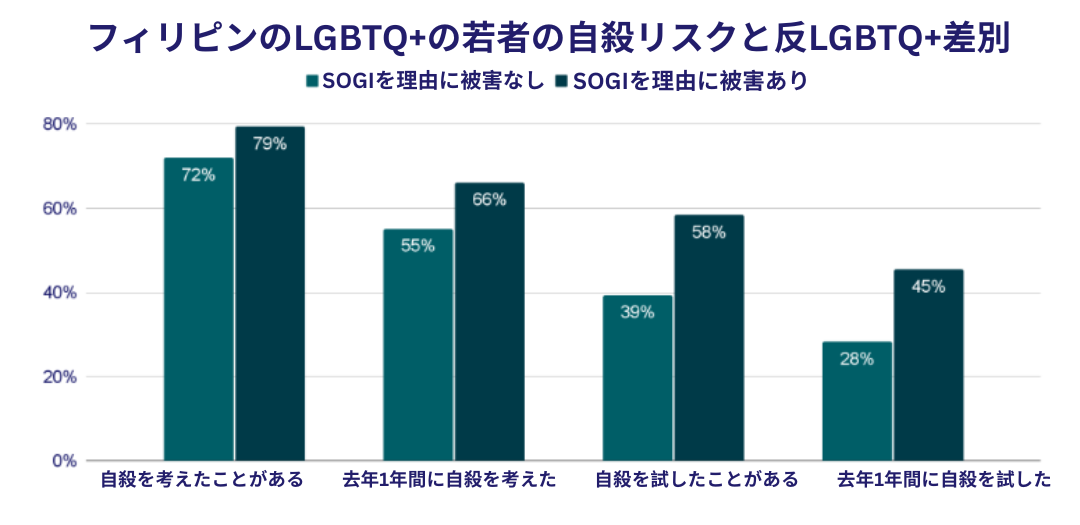
また、以上のアイコさんに対する差別・迫害のおそれ以外にも、フィリピンにおいて、トランスジェンダー差別とそれによる殺人なども行われていることから、迫害の恐れはフィリピン全般についても言えることです。
フィリピンにおける迫害とアイコさんに差し迫る迫害のおそれの両方を裁判では主張して難民の認定を求めています。
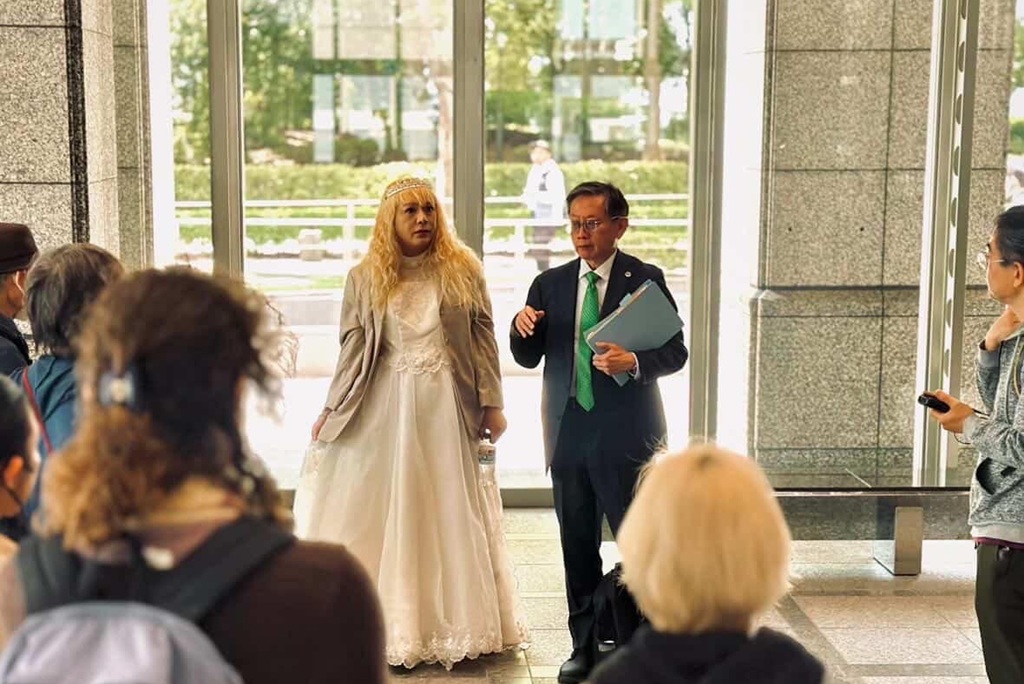
これまでの経緯
アイコさんは、フィリピンのケソン市出身です。フィリピンでは、性的マイノリティに対する嫌悪が酷く、他人だけでなく家族からも侮辱されてきました。これまで、数々の暴行やレイプの被害に遭い、今もトラウマを抱えながら生きている状態です。来日後はクラブで働き、そこで出会った人と結婚をしましたが、離婚したことで配偶者ビザを喪失してしまいました。在留資格を失ったアイコさんは、フィリピンに帰国すればまた迫害に遭う可能性があったため、難民申請をしました。しかし、申請は認められず、その後も難民審査参与員*による審査を受けましたが、却下され、現在に至ります。
この訴訟では、トランスジェンダー女性である自身が、難民条約上の「特定の社会的集団の構成員であること」に該当するとして、難民認定を求めています。
(*難民審査参与員は、入管による審査で不認定とされ、不服を申し立てた人を再度審査する役割を担っています。その審査の中で「この人は難民と認めるべきだ」という意見書を提出できますが、最終的には法務大臣が認定するかどうかを決めます。)
寄付金の使途
訴訟費用: 印紙や切手などの実費費用
弁護団、原告などの交通費: 原告や弁護団の一部が裁判に出頭する際の交通費、専門家の方などに東京にお越しいただく際の交通費を寄付金から支出する予定です。
陳述書・意見書費用:フィリピンのNPO団体及び専門弁護士に国家情勢についての専門資料の作成および調査を依頼しています。
診察及び医療証明書:本人が受けた暴力が残した精神的なトラウマについて、入管と裁判官に信ぴょう性が疑われる場合、専門資料が主張に必要になります。
イベント開催・広報費用:この裁判に関するイベントや広報費用にも寄付金を用いたいと考えています。
弁護士費用:今後の控訴審など
担当弁護士のメッセージ
アイコさんは、入管が難民認定をしなかった後に、フィリピンには帰れないという切迫した思いで難民認定を求める裁判を起こすことを決意しました。
トランスジェンダーの人が、社会の中でいろいろな差別や迫害を受けていることを私自身もアイコさんから学び、フィリピンに帰ることは到底できない状況がわかりこの裁判に全力で取り組んでいます。日本の難民認定率が低い中でも、アイコさんは、自らのためにも、トランスジェンダーの人たちが差別されないためにも、立ち上がりました。是非とも多くのみなさまのサポートをお願いします。裁判傍聴は誰でもできますので、今後の裁判傍聴にも来ていただけるとアイコさんへの励みになります。
担当弁護士の紹介
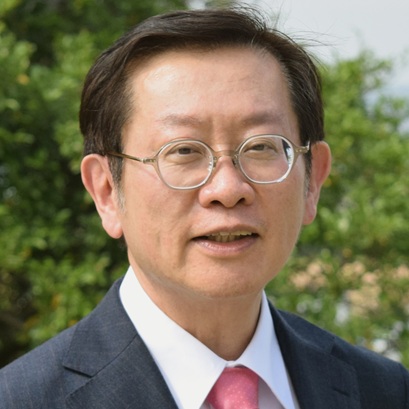
笹本 潤 弁護士
笹本潤はアジア太平洋弁護士連盟(COLAP)の会長であり、国際民主法律家協会(IADL)の事務局メンバーである。国際法と政治の専門家である。フィリピン出身のトランスジェンダー女性アイコが日本で難民認定を求めた事例を含む、多数の難民が移民当局を相手取った訴訟において代理人を務めた経験を持つ。また、入国管理収容施設で暴力的虐待を受けた被害者マリベス・ドミンゴの代理人も務めている。
おわりに
移民と入国管理局の被害者の人権と尊厳を守る闘いを継続するため、皆様の温かいご支援をお願い申し上げます。
これまでの裁判では裁判費用の免除を認められず、弁護士費用やその他の訴訟費用を自ら負担せざるを得ない状況でした。正義を求める闘いが個人の経済力に依存する事態を絶対に防がねばなりません。
日本で「在留資格不認定」状態にある人々は、社会で最も脆弱な立場に置かれています。地方自治体への住民登録を拒否され、ほぼ全ての公共サービスを利用できず、健康保険への加入も認められず、生計を立てるための就労権すら奪われています。彼らは強制的に依存状態に閉じ込められ、たとえ命の危険が伴う場合でも、闘いを諦めて母国へ帰還するよう圧力をかけられています。
アイコさんの正義を求める闘い、そしてすべてのクィア難民申請者の尊厳と権利のための闘いに、どうかご支援をお願いいたします。
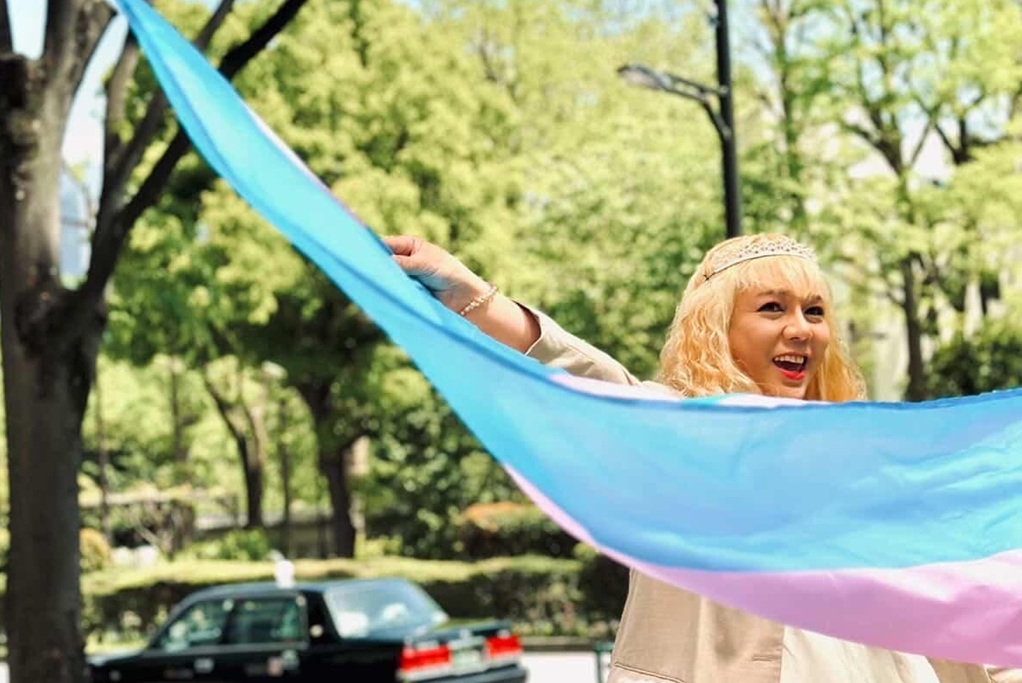
この訴訟に関する報道・解説動画:
弁護士JPニュース編集部 2025年07月29日 「フィリピン人トランスジェンダー女性が「難民認定」求めて会見 母国には「迫害」存在する…当事者標的の“殺人事件”も多発」
https://www.ben54.jp/news/2516
8BitNews 2025年07月28日 「フィリピン人トランスジェンダー女性の“難民認定”求める裁判始まる」
※担当弁護士がこの訴訟の内容を解説しています。よろしければご覧ください。
*This page contains personal accounts and descriptions of sexual violence and violence or discrimination against transgender people. Please take care and consider your well-being before continuing.
Introduction
This case is a lawsuit where the plaintiff, as a transgender woman seeking asylum in Japan, is asking for the judge to overturn the denial of her refugee status, after having faced severe violence and discrimination in the Philippines.
The plaintiff sought protection in Japan after suffering sexual violence, threats, and discrimination in the Philippines, but the Japanese government did not recognize her as a refugee.
This case questions whether Japan’s refugee recognition system appropriately evaluates persecution against gender and sexual minorities.
Message from the plaintiff
Plaintiff Aiko
As a transgender woman, I have lived through years of discrimination, violence, and sexual abuse in the Philippines. Job opportunities for transgender people were extremely limited, and I came to Japan in 1999.
For the first time in my life, I was able to live without the severe violence and discrimination that I had experienced in the Philippines. I also have family in Tokyo, and I want to watch over my niece and nephew as they grow up.
However, when I applied for refugee status in Japan, my application was denied in 2023. Even though persecution against transgender people is internationally recognized, my experiences and fears were not fully understood.
In the Philippines, violence and hate against transgender people continue today. Since childhood, I have faced abuse, sexual violence, humiliation, and discrimination. Those experiences left deep emotional scars that I still carry with me.
I am fighting this case not only for my own safety, but also to challenge the discrimination and persecution faced by transgender people in the Philippines and around the world.
I am deeply grateful to everyone who has supported me so far. I hope you will continue to follow this case and stand with us.
Makibeki ‘wag mashokot! (Don’t be afraid, join the struggle with transgender people!) Wakasan ang diskriminasyon! (End the discrimination!)

What is this Lawsuit Fighting for?
This lawsuit aims to ensure that the situations of queer and transgender refugees can be more widely recognized in Japan.
Today, refugee acceptance in Japan remains very low; only 1–2% of applicants are granted refugee status, and this rate is decreasing every year. Furthermore, undocumented foreigners without resident status—including transgender individuals—face the risk of being detained in Japan’s central and regional immigration control facilities, where some have even died due to a lack of medical treatment or by suicide.
In face of this dire situation, there are few publicized cases in Japan where individuals have been recognized as refugees based on their gender identity. Concerning refugee status determinations until now,Japan has had limited standards based on the Refugee Convention about 1) who is considered a persecutor and 2) what constitutes persecution. This case seeks to expand the Japanese government’s legal interpretations of the Convention.
The rising wave of trans hate, not just in the Philippines but globally, is a form of severe violence that affects legal systems and pushes individuals into desperate situations. Even though it can be a great hardship, Aiko feels a responsibility to speak about her life to tell others about LGBTQIA+ rights and the structures of persecution.
By sharing what is being argued and decided in the court with the people in Japan and the world, we hope to spark more active discussions about these issues.
Persecution against the Plaintiff and Conditions in the Philippines
From a young age, Aiko realized that she is a gender minority—a transgender woman—and because of this, she suffered abuse and sexual violence at the hands of her family and those around her. In the Philippines, in addition to strong societal hatred toward sexual and gender minorities, blatant harassment by the government and police occurs frequently. There are also recurring reports of transgender women being murdered. Due to the frequency of such brutal incidents and her own personal history, Aiko carries deep trauma. Research even indicates that LGBTQ+ youth in the Philippines face a higher risk of suicide compared to their peers.
To escape this violent environment in the Philippines, Aiko came to Japan on an entertainer visa in 1999. At that time, she was coerced into a trafficking environment where malicious Japanese recruiters seized her passport, and she was repeatedly subjected to sexual violence by her Filipino bosses. Years later, Aiko successfully escaped that environment and continued her life in Japan. Although she returned to the Philippines a few times to visit her mother, she faced severe anti-transgender discrimination each time she was there. Scarred by years of these painful experiences, Aiko feels that she would have a mental breakdown when facing any further discrimination or violence in the Philippines.
What is Refugee Status Recognition?
Refugees are those who are forced to flee their home countries to protect their lives from conflict, human rights violations, and other dangers. By being recognized as a refugee, one can receive protection in another country. First, an application for refugee status is submitted to immigration, followed by an examination by the Immigration Services Agency (below, ISA). This is where the approval or denial of refugee recognition is determined. In the case of non-recognition, an appeal can be filed, and the case will undergo review again. The rate of refugee recognition is extremely low in Japan. There are instances where the applicants go to the court to seek a refugee status designation. This case falls into that category.
LGBTQ Refugee Recognition Trends in Japan and the World
At a global scale, Japan's trends of LGBTQ refugee recognition are very different from those in Europe and North America in particular.
First, let's consider the history of refugee decisions and protection for LGBTQ refugees.
Currently, there are 147 countries that have ratified and/or become parties to the 1951 Refugee Convention and 1967 Protocol Relating to the Status of Refugees. Anti-LGBTQ persecution already existed at the time of the Refugee Convention's adoption, including persecution against gay and transgender people by the Nazi regime during World War II. Even so, European and North American states also had criminalized homosexuality, so refugee applications on the grounds of persecution towards LGBTQ identity was not actually possible. However, in 1990, the World Health Organization removed homosexuality from its International Classification of Diseases, and starting with the Netherlands, more countries in Europe and North America recognized gay marriage. From the 2000s, guidelines and principles were developed that designated the Refugee Convention as covering persecution against sexuality and gender identity as "immutable characteristics and identities."
According to Japan's Refugee Studies Forum's report on persecution against LGBT people (https://refugeestudies.jp/wp/wp-content/uploads/2020/12/Country-report-the-criminalization-of-LGBT.pdf), there were at least 14 countries that approved refugee applications based on sexuality minority or gender reasons by December 9th 2020: 1 in Asia, 1 in Africa, 8 in Europe, 2 in North America, and 2 in Oceania. Japan is not included in this list, and Asia is taking in a lower proportion than other regions.
In the midst of this global wave of LGBTQ refugee protection, Japan has lagged behind Europe by around 20 years, with its first refugee recognition based on persecution due to sexuality only officially announced in 2018. Public documentation on this issue is limited, but according to the government's list of example refugee approvals from 2012 to 2020, three refugee applicants, one in 2018, and two in 2020, were approved as refugees based on LGBTQ identity i. In March 2023, ISA formally recognized in its Refugee Eligibility Decision Manual (https://www.moj.go.jp/isa/content/001393172.pdf) that persecution on sexual minority or gender grounds constitutes "membership in a particular social group."
In contrast to Europe, it can be said that Japan's rate of refugee recognition based on persecution of transgender, as well as any other gender or sexuality minority, identity is extremely low.
Lawsuit Claims and Reasons for Plaintiff’s Refugee Status Recognition
The issues in this lawsuit concern eligibility for Refugee status under the 1951 Refugee Convention and 1967 Protocol Relating to the Status of Refugees.
This involves whether:
1) persecution towards transgender people is persecution on the basis of “membership of a particular social group,”
2) the applicant can or cannot receive protection by their country of citizenship, and
3) the fear of persecution towards the plaintiff is a well-founded fear.
1. Discrimination and persecution against transgender people constitute persecution based on “membership of a particular social group.”
Persecution on the grounds of discriminating against LGBTQIA+ identity has been recognized in Japan in recent court rulings on refugees from Uganda and Northern Africa. Further, the Guidelines on International Protection No. 9 by the United Nations High Commissioner for Refugees defines how transgender people, due to their non-conformity to male-female gender binaries in many societies, are often viewed as threatening to social values, and thus are at risk of persecution. This means that transgender identity is eligible as a “particular social group” and existence itself bears a risk of group-based persecution.
2. Is it possible to receive protection from the applicant's country of nationality?
Concerning being “unable or, owing to such fear, is unwilling to avail [one]self of the protection of that country,” legislation that would protect transgender people has not been passed and the current penal code and legal framework has been used to discriminate against transgender people.
Additionally, the direct persecution towards Aiko is done by private citizens, and it occurs rampantly in Philippines society, but the government and police that ought to provide protection, failed to prevent the persecution.
On these grounds, Aiko shall be considered as one who is “unable to receive protection of the country of one’s nationality.”
The Philippines has banned almost any attempts to correct one’s gender marker on government and civil registry identification documents. Many transgender Filipinos only hold documents that do not match their gender. This difference creates many systematic impacts against their interests, including in situations with police, bureaucracy, employment, education, and healthcare.
For over 25 years, proposals for a Legal Gender Recognition Law and Sexual Orientation, Gender Identity and Expression, and Sexual Characteristics (SOGIESC) Equality Law have been obstructed by cronyism and conservative values amongst congress members, presidential regimes, and Christian organizations.
According to civil society organizations, journalists, academics, UN institutions, and others, police bureaus frequently harass transgender women while ignoring pleas for protection from public discrimination. At the same time, reports continue of trans murders by civilians across many regions. Such reports of Jennifer Laude in 2014 and reporter Ali Macalintal and student Kierra Apostol in 2025, along with apathy from authorities, leave deep wounds in the trans communities.
Statement by the Commission on Human Rights of the Philippines, 2025.06.27
“These killings, marked by cruelty and impunity, reflect a disturbing pattern of transfemicide — gender-based killings of transgender women — driven by misogyny, transphobia, and the systemic belief that their lives are disposable”
In the absence of a Hate Crime law, the Philippines criminal justice system rarely conducts investigations with motives of prejudice in mind. Many cases are dropped for reasons including incorrect gender records of the victims. Further, the stigma within conservative politicians’ statements is reflected in media institutions and the public, and maintains acceptance of an environment where transgender people are structurally vulnerable.
3. Can it be said that the plaintiff has a sufficiently reasonable fear of persecution?
Concerning whether the plaintiff’s fear of persecution is a “well-founded fear” as defined by the Refugee Convention, it is clear that Aiko’s fear is eligible when considering the country conditions and her personal experiences.
Aiko, born in Quezon City, endured discrimination and persecution on the basis of being transgender since childhood.
After starting to express her transfeminine identity from a young age, Aiko was abused, sexually assaulted, bullied, and derided with hate speech from her family, the neighborhood, and at school. Even though her father and uncles were policemen and lawyers, they intentionally targeted her for violence and propagated conservative anti-trans mindsets. As Aiko was unable to find a nonexploitative workplace, she sought to escape to Japan, but was pulled into human trafficking in the entertainer visa industry, and was repeatedly sexually assaulted by her Filipino bosses. Years later when in the Philippines for only a few days, she was again mocked in public places and kicked out of women’s bathrooms. The trauma and PTSD from these accumulated experiences is deep, and contact with discrimination in the Philippines is likely to throw her physical and mental health into a dangerous state.
The Trevor Project, Survey of 5,515 LGBTQ+ Youth in the Philippines, 2024
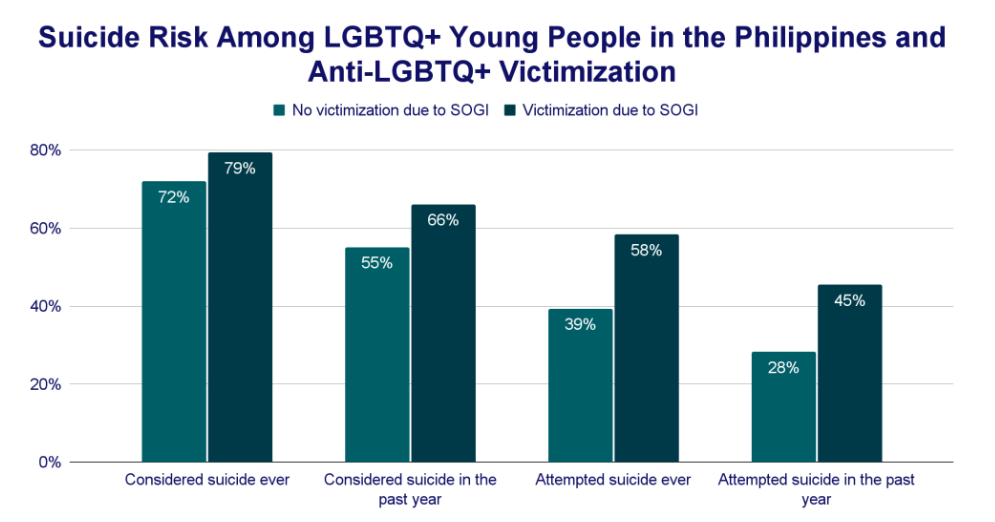
Besides fears of these sorts of discrimination and persecution towards Aiko, there are other forms of anti-trans discrimination and murders occurring in the Philippines, such that we can say this fear of persecution extends to the whole of the Philippines.
In the court, we are seeking an approval of Aiko’s refugee status through these claims of both fear of persecution in the Philippines and fear of impending persecution towards Aiko.
Events Leading up to the Lawsuit
Aiko is from Quezon City in the Philippines. In the Philippines, hatred toward sexual and gender minorities is severe, and she has been demeaned not only by strangers but also by her own family. She has been targetted through numerous assaults and rapes, and continues to live with that trauma. After coming to Japan, she worked at a club and married a person she met there, but she lost her spouse visa following their divorce.
Having lost her status of residence, in fear of facing further persecution if she returned to the Philippines, Aiko applied for refugee status in Japan. However, her application was not recognized, and even after an appeal for administrative review by Refugee Examination Counselors, her application was still rejected, leading to her current situation. In this lawsuit, she is seeking refugee recognition, asserting that as a transgender woman, she qualifies as a "member of a particular social group" under the Refugee Convention.
(Refugee Examination Counselors System: Refugee Examination Counselors are responsible for re-examining appeals of individuals whose refugee applications were denied in the initial review by the Immigration Services Agency. A written opinion stating that "this person should be recognized as a refugee" can be submitted, but the Minister of Justice makes the final decision on whether to grant recognition.)
Use of Donations
Lawsuit fees: For printing, stamps, and other expenses.
Travel expenses for legal team, plaintiff, and others: Covering the public transit fees for the plaintiff and legal team to appear in court, as well as compensation for specialists invited to Tokyo.
Statement and testimony expenses: For requests for Philippines organizations and specialists to write formal documents and carry out investigations on conditions in the Philippines.
Medical appointment and certificate fees: In the case that Aiko’s trauma left by her experiences of violence are interrogated by ISA and judges as a lack of credibility, specialist diagnosis documents will be required.
Event and publicity fees: For assisting in holding events and creating educational materials about the trial.
Lawyer expenses:including future appeal hearings.
Message from the Representing Lawyer
After the ISA refused to approve Aiko’s refugee status, she decided to fight in the court for refugee status with the urgent pressure of not being able to return to the Philippines.
I myself have learned from Aiko about the various forms of discrimination and persecution that transgender people face in society, and I am putting my full effort into this case with the understanding that it is impossible for her to return to the Philippines. Even while Japan’s refugee approval rate is low, Aiko has stood up for herself and for other transgender people to not be discriminated against.
I sincerely ask for everyone’s support. Anyone can attend the court hearings, and Aiko is motivated by your presence.
Introduction of the Representing Lawyer
Jun Sasamoto, Attorney at Law
Sasamoto Jun is the President of the Confederation of Lawyers of Asia and the Pacific (COLAP) and a Bureau Member of the International Association of Democratic Lawyers (IADL). His specialization is in international law and politics. Attorney Sasamoto has experience as the representing lawyer on many lawsuits around refugee and residence status cases, including this lawsuit for Aiko’s refugee status in Japan as a transgender woman. He is currently also representing the lawsuit of Maribeth Domingo, who was violently abused by ISA officers in a detention facility.
Conclusion
We ask for your warm support to continue the fight for the human rights and dignity of migrants and victims of the immigration authorities.
In this and similar court cases, the court has not granted an exemption from legal fees, placing the burden of lawyer and other expenses on the plaintiff. We must prevent the fight for justice from being dependent upon one's financial resources.
Asylum applicants who are denied residence status in Japan are placed in the most vulnerable position in society. They are refused registry as legally recognized residents with local authorities, they are denied access to nearly all public services, they are refused access to health insurance and refused the right to work in order to sustain themselves. They are forcibly trapped in a dependent state, pressure mounted upon them to give up their fight and return to their country even if that is a life threatening risk.
We ask for your help in Aiko’s struggle for justice, and the wider struggle of all queer asylum seekers.
Media coverage and explanatory video regarding this lawsuit:
Lawyer JP News Editorial Department, July 29, 2025 “Filipino transgender woman holds press conference seeking refugee recognition: ‘Persecution’ exists in her home country, where murders targeting transgender individuals have also frequently occurred”
https://www.ben54.jp/news/2516
88BitNews, July 28, 2025 “Trial begins seeking refugee recognition for a Filipino transgender woman”
The attorney in charge explains the details of this lawsuit in the video. Please feel free to watch it if you are interested.

Queer Asylum: Justice for Aiko
フィリピン出身で、日本で難民認定を求めているトランス女性・アイコさんと連帯する草の根グループです。現在、仮放免中のアイコさんは、日本で安心して暮らしていくために、裁判を通して入管と闘っています。
We are a grassroots group working in solidarity with Aiko, a transpinay seeking refugee recognition and residence status in Japan. Aiko is currently on provisional release and fighting against the Japanese government in court for a safe life in Japan.
ご連絡先:Instagram: @qajfa.info
We are a grassroots group working in solidarity with Aiko, a transpinay seeking refugee recognition and residence status in Japan. Aiko is currently on provisional release and fighting against the Japanese government in court for a safe life in Japan.
ご連絡先:Instagram: @qajfa.info
あなたにおすすめのケース Recommended case for you



- 外国にルーツを持つ人々 Immigrants/Refugees/Foreign residents in Japan
- ジェンダー・セクシュアリティ Gender/Sexuality
- 医療・福祉・障がい Healthcare/Welfare/Disability
- 働き方 Labor Rights
- 刑事司法 Criminal Justice
- 公正な手続 Procedural Justice
- 情報公開 Information Disclosure
- 政治参加・表現の自由 Democracy/Freedom of Expression
- 環境・災害 Environment/Natural Disasters
- 沖縄 Okinawa
- 個人情報・プライバシー Personal information/Privacy
- アーカイブ Archive
- 全てのケース ALL