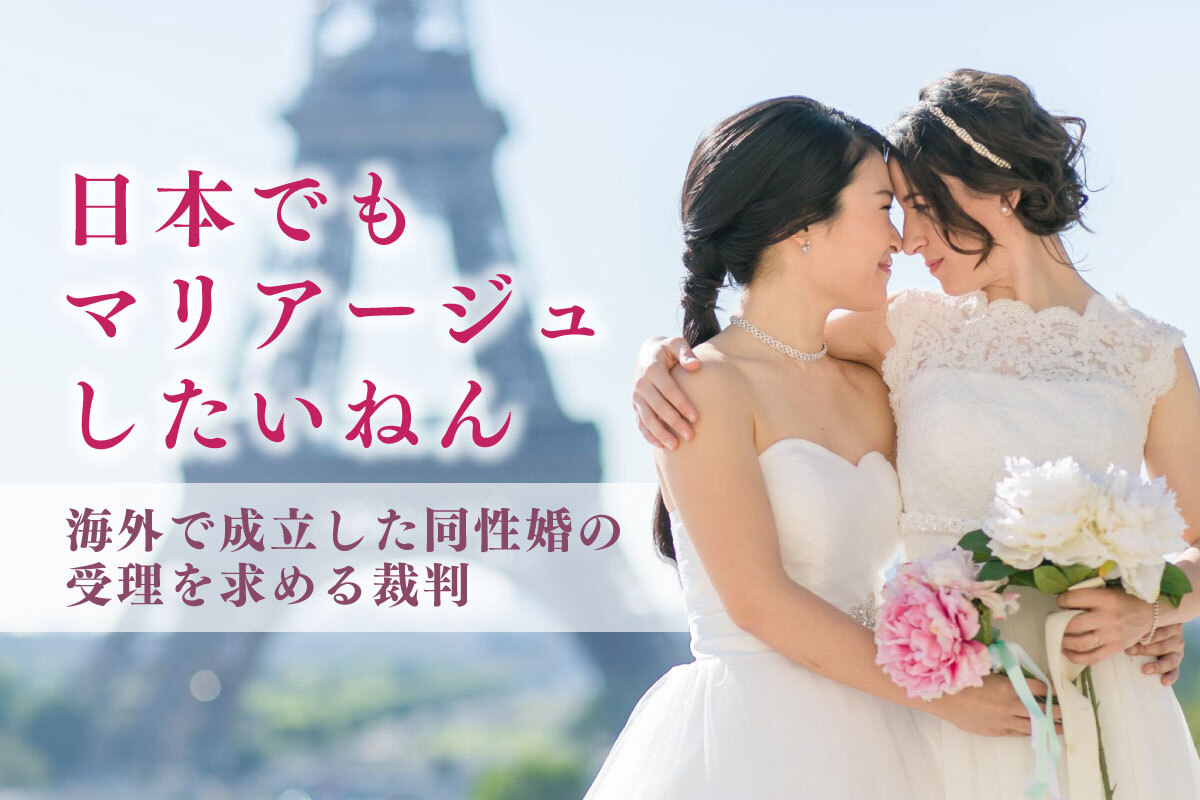
日本でもマリアージュしたいねん~海外で成立した同性婚の受理を求める裁判~ Lawsuit for Foreign Same-sex Marriages to be Accepted in Japan - “Married in France, Married in Japan Too!
#ジェンダー・セクシュアリティ
#Gender/Sexuality
現在の寄付総額 Current Total Raised
126,000円 ¥ 126,000
目標金額 Target amount
1,000,000円 ¥ 1,000,000
サポーター Supporter
17 人 17 supporters
 寄付する
Donate Now
寄付する
Donate Now


法令上同性カップルである私たち(日本人とフランス人)はフランスで結婚しているのに、日本では他人同士。日本でも法的に「ふうふ」になるためには「同性が結婚できないことは憲法違反」という判断だけでは足りず、2人の婚姻届が市役所に受理される必要があります。この裁判はそのための裁判です。将来安心して子どもを迎えるためにも、同じように暮らす国際クイア家族の未来のためにも。「日本でもマリアージュしたいねん!」 While we are legally married same-sex couples (Japanese and French) in France, we are recognized as nothing more than “strangers” by Japanese legal system. Merely having a constitutional decision for same-sex marriage is not sufficient, because it is also necessary for marriage registrations to be actually accepted. This lawsuit is significant not only in considering we can take our children to Japan in the future, but also in it is a lawsuit that affect lives of queer families all over the world.
はじめに
「もしあなたが、家族として生活しているパートナーと、外国に行っただけで"他人"だと言われるとしたら――どう感じますか?」
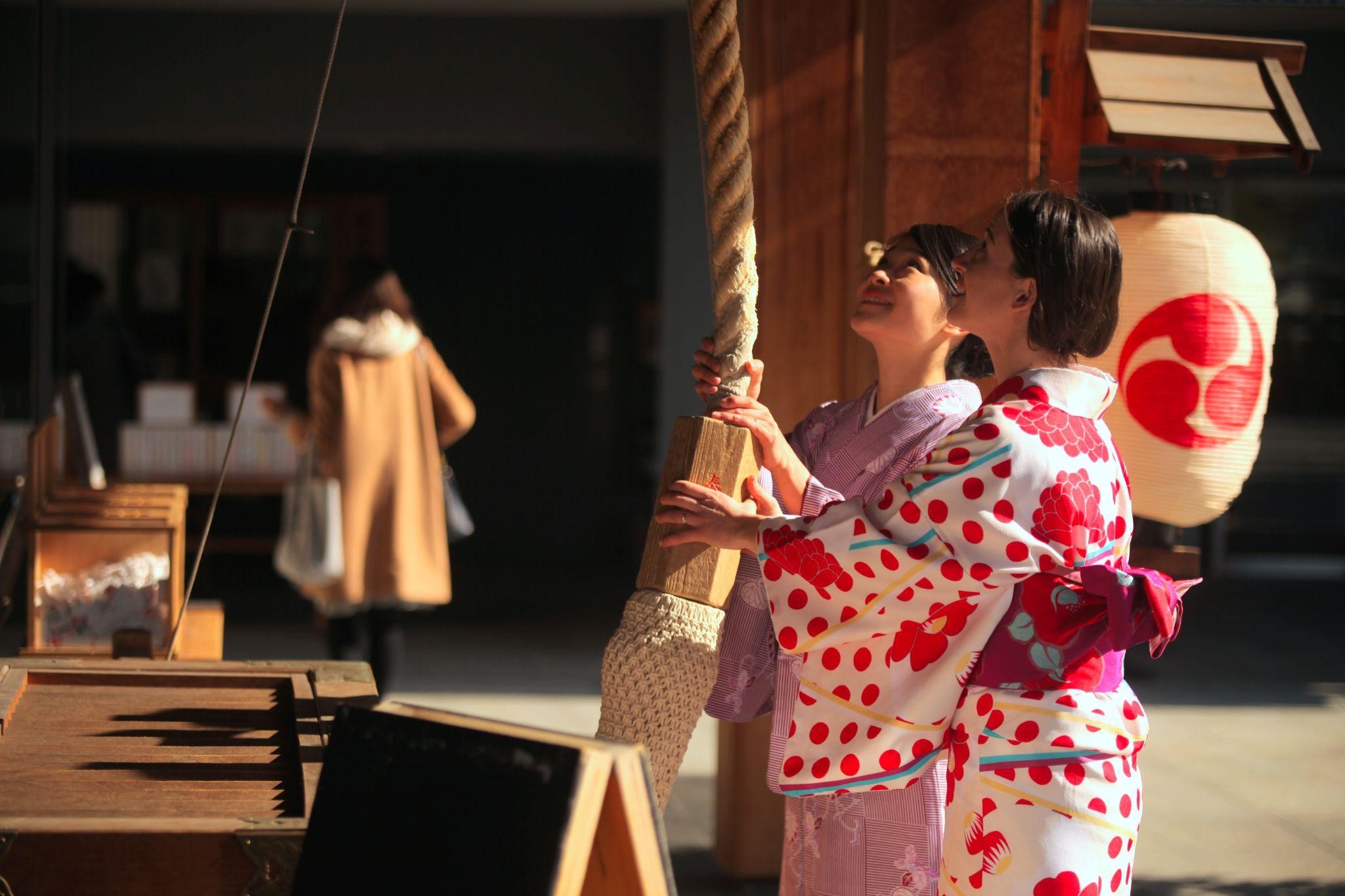
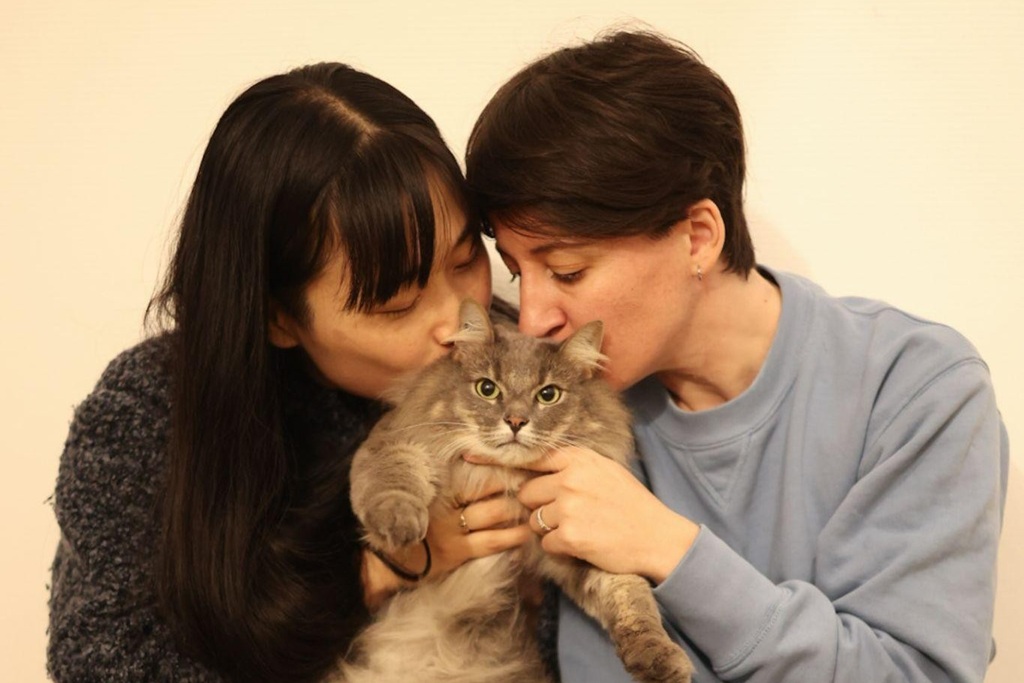
私たちは、イギリスの演劇学校で出会った、日本人の俳優・礼とフランス人の映画監督・コガリの日仏「ふうふ」です。2018年にフランスで結婚し、現在映画制作の仕事をしながら、公私ともにパートナーとして、フランスで暮らしています。
しかし、日本では今もなお同性婚が認められておらず、海外で正式に結婚していても、日本では私たちの関係は戸籍に反映されません。司法の個別判断、行政解釈等で救済される可能性があるとしても、配偶者として扱われないリスクが常にある、ということです。この状態は、私たちの未来や家族形成に深刻な不安をもたらしています。私たちは、「日本でも家族として認められたい」という当たり前の願いを胸に、法に訴える決断をしました。
最高裁が「同性が結婚できないのは憲法違反」と言ってくれるだけでは、市役所で同性の婚姻届が受理されるわけではないことも知りました。この裁判は「市役所での婚姻届の受理」を目指す手続きです。一日でも早く、「日本でも家族として認められたい」、その思いで取り組んでいます。
裁判の内容
2019年に始まった「結婚の自由をすべての人に訴訟」は、国家賠償請求訴訟という枠組みの中で、「同性が結婚できないのは憲法違反だ」という裁判所の判断を勝ち取ってきました。最高裁でも、違憲の判断が期待されています(私たちも大いに期待しています。)(2025年12月現在)。
しかし、最高裁が「同性が結婚できないのは違憲」の判断を出しただけでは、2人は法的な「ふうふ」になれません。
最高裁が「同性が結婚できないのは違憲」と判断したときには、「国会は、その違憲と言われた制度を直さなければいけない」というルールになっていますが、実際に制度が変わって適用されるのがいつになるかはわかりません。その間、同性カップルの婚姻届は受理されず、ただ待っていなければなりません。このことに危機感を抱いて始まったのが、この裁判です。
申立人である渡邉プロスペル・礼とコガリは、フランスで婚姻したことについて、礼の本籍地である兵庫県尼崎市長に報告的婚姻届出(戸籍法41条)をしましたが、市長は「日本では、憲法及び民法において、婚姻については男女間におけるものであることを前提としており、同性間の婚姻の規定がないことから、無効な婚姻と解される」として受理しませんでした。
この裁判では、同性カップルである私たちの婚姻届も、国会の法改正は待たずに、今すぐそのまま受理するよう求めています。この裁判で勝つことができれば、私たちは直ちに、日本でも「ふうふ」になることができます。
申立人の思い
この裁判を始めることにしたのは、礼の母国・日本で、最愛のパートナーと「家族」として認められる未来を諦めたくなかったからです。
私たちはイギリスの演劇学校で出会い、互いの仕事や人生観に惹かれ合い、2018年にフランスで結婚しました。現在は、フランスで共に映画を制作しています。この裁判のさなかにも、短編映画『Kotowari 断り』を発表し、日本でも配信しました。愛するフランス人同性パートナーとフランスで暮らすため、滞在許可証を受け取ることに奮闘する日本人女性の物語で、私たちの実体験をもとにしています。

フランスでは、普段から、法の下で守られた「ふうふ」として暮らせています。きっと将来もそうでしょう。
けれど、日本に一緒に一時帰国した際、何気ない会話の中で「フランスで結婚してるんですよ」と伝えると、冗談だと思われ、笑われてしまいました。同性婚が制度として存在しない日本では、私たちの関係性は、人々の想像の外にあるものなのだと痛感しました。
将来、子どもを迎えることを考えていますが、日本では私たちは「家族」ではなく、法律上は「赤の他人」。何かあった時に守られる保証がない現状が、不安でなりません。 同じような状況にある国際クイアカップルは少なくありません。そのカップルたちが「日本で暮らす」という選択肢を持てるように。そして、次の世代が「日本も私の国だ」と誇りを持って言えるように。その一歩を、この裁判で踏み出したいと思いました。
二人の婚姻届を受理すべき理由
1. 民法には、同性婚NGとは書いていない
民法に、同性同士は結婚できない、とは書いていません。
たしかに、現行の民法には「夫婦」や「夫」「妻」といった同性婚を認めていないかのように読める条文はあります。しかしこれらは、結婚の効果、つまり結婚した「後」の話であり、結婚が成立するかを定めたルールではありません。これらの条文は、同性カップルの結婚が成立するかどうかには関係がなく、結婚が成立した後、その「ふうふ」にこれらの条文が適用されるかを検討すればよいのです。
そのうえで、私たちは、婚姻、離婚、親子(実の親子、養子縁組)、相続など、家族に関する民法の条文を「全チェック」しましたが、これらの結婚後のルールはいずれも、同性同士の婚姻関係の存在と矛盾せず、両立することも確認しています。
2. 「同性婚NG」と言ってきた民法学説に一貫した「根拠」はない
民法の研究者達はこれまで、当然のように「民法は同性婚を認めていない」と言ってきました。ところが、その「根拠」に注目してみると、明治~大正~昭和~平成と時代を経るにつれ、「民法が同性婚を認めていないと言える根拠」は次々に変わっていて、一貫した根拠はありません。「民法は同性婚を認めていない」という見解は、けっして、確固たる民法解釈ではありません。
3. 民法は憲法を踏まえて解釈すべきであること
民法より憲法のほうが上位の法なのですから、民法は「同性が結婚できないのは違憲である」という憲法論を踏まえて解釈しなければなりません。「結婚の自由をすべての人に訴訟」の高裁判決6つのうち5つが、「同性カップルの婚姻を認めないことは違憲」と判断しています。なかでも札幌高裁と福岡高裁は、「同性婚は憲法で保障されている」と判断しています。民法に同性同士の結婚を禁止する条文がない以上、同性が結婚できないのが憲法違反であることを踏まえ、民法上も同性同士の婚姻を認めなければなりません。
このように現行民法を解釈した結果、今回の不受理には理由がなくなるのですから、立法的解決を待たず、届出を受理すべきです。
もし、民法・戸籍法が同性婚について何も定めていないという立法不作為が憲法違反であるならば、国会が民法を改正するまで、2人の結婚は認められません。しかし、それでよいのでしょうか。私たちは、2人の結婚が認められることこそがゴールであると考えています。
ですから、同性婚を認めるという民法が存在しないことが憲法違反なのであれば、裁判所は、国会による改正を待つのではなく、2人の結婚を認めるために民法を柔軟に解釈すべきです。たとえば、結婚を希望する2人が「異性である」こと以外の婚姻の要件をすべて満たしているならば、裁判所が民法を補充して解釈することにより、2人に民法上の結婚を認めるべきなのです(合憲補充(拡張)解釈)。
憲法違反という判断を得ても、2人の結婚が認められなければ、2人の願いはかないません。私たちは、裁判所が2人の結婚を認めることを求めています。
▼すでに同性婚が実現している国で婚姻関係にある二人についての主張
4. 身分関係の承認論(国際私法分野の主張)
私たちは、国際私法における「身分関係の承認論」(外国で承認された身分関係はできる限り承認すべきであるという理論)を主張しています。フランスでは2人はれっきとした「配偶者」であり、2人は、異性要件以外は日本の婚姻の要件も満たしているのですから、フランスで認められた婚姻を、そのまま日本でも承認すべきです。
5. 家事事件手続法79条の2の適用(国際私法分野の主張)
「外国の公的判断は、家事審判で承認せよ」という国際私法分野の主張をしています。
社会的意義
一日も早い同性婚の実現。このことに尽きると思います。
この裁判の目的は、「2人が実際に日本でもふうふになること」です。
2人が「ふうふ」になるためには「2人の婚姻届が実際に受理されること」が必要です。
そのため、「2人の婚姻届を受理することを市長に命じてください」という裁判手続(家事審判)を選びました。
民法や戸籍法、国際私法等の解釈により、裁判所が同性カップルの結婚を認めれば、その日から、日本でも同性カップルの結婚が認められることになります。最高裁がこの判断を支持すれば、同性婚のある社会を待ちわびてきた多くの同性カップルに希望の光が射すはずです。
寄付金の使途
① 研究者による意見書の謝礼
② 意見交換会、勉強会、文献・法令調査のための交通費・宿泊費
③ 発信活動のための会場費、交通費・宿泊費
④ 印紙代、裁判所等に提出する書類の印刷代、郵便代
⑤ 書籍購入費
⑥ 弁護士費用
弁護団の思い
私たち弁護団は「日本でもふうふになりたい」という2人の願いをかなえるために、この事件を受任しました。私たちにとっては、裁判をして憲法違反の判断を得ても、2人の結婚が認められなければ、ゴールを達成したことにはなりません。
同性同士の結婚を民法が認めていないという解釈に立ってしまえば、たとえ同性が結婚できないことが憲法違反であるとしても、民法が改正されない限り、2人の結婚は認められません。同性婚の導入についてはさまざまな意見があり、裁判所が憲法違反と判断しても、直ちに民法の改正がなされない可能性は十分にあります。
こうしたとき、多数派とはいえない2人を救済することこそが、違憲審査権を付与され、少数者の権利保護を役割とする裁判所の使命ではないでしょうか。
私たちは、立法による解決のほかにも、裁判による解決という選択肢を増やしたいと考え、この裁判に取り組んでいます。

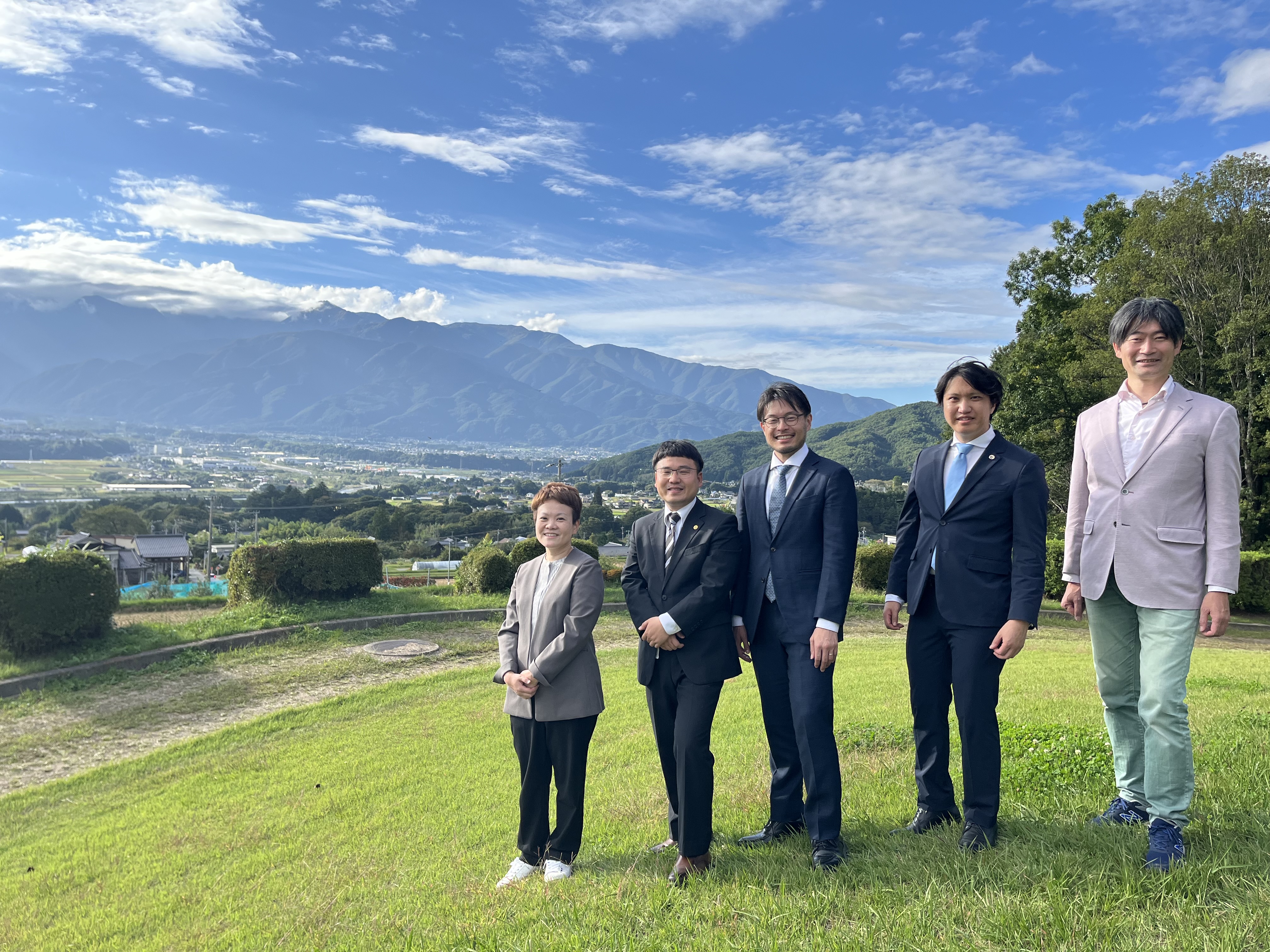
▲憲法学の泰斗・芦部信喜先生が生まれ育った、長野県駒ヶ根市にて
担当弁護士の紹介
宮井 麻由子(長野県弁護士会):弁護団長。民法が同性婚を認めていないのかに関する全条文のチェック、明治時代から現代までの民法学説の検証などを担当しています。日頃から家事事件に関心をもって取り組んでいます。
金枝 真佐尋(長野県弁護士会):哲学科出身。「特養あずみの里事件」では、東京高裁での逆転無罪判決を勝ち取りました。普段から憲法論に関心を持っています。
吉田 修一(長野県弁護士会):アディーレ法律事務所松本支店。主に広報や渉外を担当しています。
及川 裕貴(長野県弁護士会):事務局長。特急あずさ窃盗冤罪事件の再審弁護団の主任弁護人。
伊藤 建(富山県弁護士会):憲法論担当。生活保護基準引下げ訴訟で最高裁の逆転勝訴判決を勝ち取った実績あり。憲法に関する著書・論文多数。
*Translated by Google Translate
Introduction
"How would you feel if you were told that you were a 'stranger' just because you went abroad with your partner, with whom you live as a family?"
We are a Japanese-French couple, Rei, a Japanese actor, and Coralie, a French film director, who met at drama school in the UK. We got married in France in 2018 and now live in France as partners both in our personal and professional lives, working in film production.
However, same-sex marriage is still not recognized in Japan, and even though we are officially married overseas, our relationship is not reflected in the family register in Japan. Even if there is a possibility of relief through individual judicial decisions or administrative interpretations, there is always the risk that we will not be treated as spouses. This situation causes serious anxiety about our future and the formation of a family. With the natural desire in our hearts to be recognized as a family in Japan, we decided to take legal action.
We also learned that just because the Supreme Court has ruled that "not allowing same-sex couples to marry is unconstitutional" does not mean that same-sex marriage registrations will be accepted at city hall. This lawsuit is a procedure aimed at "accepting marriage registrations at city hall." We are working with the hope that "we will be recognized as a family in Japan as soon as possible."
Contents of the trial
The "Freedom of Marriage for All" Lawsuit, which began in 2019, has won a court ruling that "not allowing same-sex couples to marry is unconstitutional" within the framework of a lawsuit seeking compensation from the state. It is expected (and we have high hopes) that the Supreme Court will also rule it unconstitutional (as of December 2025).
However, just because the Supreme Court ruled that "it is unconstitutional for same-sex couples not to be able to marry" does not mean that the two can become legally "spouses."
When the Supreme Court rules that "it is unconstitutional for same-sex couples not to be able to marry," the rule is that "the Diet must correct the system that has been deemed unconstitutional," but it is unclear when the system will actually be changed and put into practice. In the meantime, same-sex couples' marriage registrations will not be accepted, and they will simply have to wait. This lawsuit was launched out of a sense of crisis about this situation.
The plaintiffs, Watanabe Prosper Rei and Coralie, filed a marriage notification (Article 41 of the Family Register Act) with the mayor of Amagasaki City, Hyogo Prefecture, where Rei has her registered domicile, regarding their marriage in France. However, the mayor did not accept the notification, stating that "in Japan, the Constitution and Civil Code presuppose that marriage is between a man and a woman, and since there is no provision for same-sex marriage, the marriage is deemed invalid."
In this lawsuit, we are seeking to have our marriage registration accepted immediately as a same-sex couple, without waiting for the Diet to amend the law. If we win this lawsuit, we will be able to become a married couple in Japan right away.
The petitioner's thoughts
The reason why we decided to start this lawsuit was because we did not want to give up on the future where we would be recognized as a "family" in Rei's home country, Japan.
We met at drama school in the UK, were attracted to each other's work and outlook on life, and married in France in 2018. We are currently working together on a film in France. Even in the midst of this trial, we released a short film, "Kotowari 断り," which was also released in Japan. It tells the story of a Japanese woman's struggle to obtain a residence permit so that she can live in France with her beloved French same-sex partner, and is based on our own experiences.
In France, we are able to live as a married couple protected by the law, and I'm sure that will continue to be the case in the future.
However, when we returned to Japan together for a short visit, we mentioned in casual conversation that we got married in France, and people thought we were joking and laughed. We realised that in Japan, where same-sex marriage is not a legal system, our relationship is beyond people's imagination.
We are thinking about having children in the future, but in Japan we are not a "family" but, legally, "strangers." The current situation leaves us feeling very anxious, with no guarantee that we will be protected if something were to happen. There are many international queer couples in similar situations. We want these couples to have the option of "living in Japan." And so that the next generation can proudly say, "Japan is my country, too." We wanted to take that first step in this lawsuit.
Reasons why you should accept their marriage registration
1. The Civil Code does not prohibit same-sex marriage
The Civil Code does not state that same-sex couples cannot marry.
It is true that the current Civil Code contains provisions that may be read as not recognizing same-sex marriage, such as terms like "husband and wife," "husband," and "wife." However, these provisions concern the effects of marriage, that is, what happens "after" a marriage is established, and are not rules that determine whether a marriage is valid. These provisions have no bearing on whether a same-sex couple's marriage is valid; after a marriage is established, it is sufficient to consider whether these provisions apply to the "couple."
Based on this, we have conducted a "full check" of all provisions of the Civil Code relating to family matters, such as marriage, divorce, parent-child (biological parent-child and adoption), and inheritance, and have confirmed that none of these post-marriage rules contradict or are compatible with the existence of same-sex marital relationships.
2. There is no consistent basis for the civil law theory that says same-sex marriage is not allowed
Until now, civil law researchers have taken it for granted that "the Civil Code does not recognize same-sex marriage." However, if we look at the "basis" for this, we see that as the eras have passed from Meiji to Taisho to Showa to Heisei, the "basis for saying that the Civil Code does not recognize same-sex marriage" has changed one after another, and there is no consistent basis. The view that "the Civil Code does not recognize same-sex marriage" is by no means a firm interpretation of the Civil Code.
3. The Civil Code should be interpreted in light of the Constitution
Because the Constitution is a higher law than the Civil Code, the Civil Code must be interpreted based on the constitutional argument that "it is unconstitutional not to allow same-sex couples to marry." Five of the six high court rulings in the "Freedom of Marriage for All Lawsuit" have ruled that "not recognizing same-sex couples' marriage is unconstitutional." In particular, the Sapporo High Court and the Fukuoka High Court have ruled that "same-sex marriage is guaranteed by the Constitution." Since the Civil Code does not contain any provisions prohibiting same-sex marriage, same-sex marriage must be recognized under the Civil Code, given that not allowing same-sex couples to marry is unconstitutional.
As a result of interpreting the current Civil Code in this way, there is no longer any reason for the current non-acceptance, so the marriage registration should be accepted without waiting for a legislative solution.
If the legislative inaction of the Civil Code and Family Registration Act, which stipulate nothing about same-sex marriage, is a violation of the Constitution, then their marriage will not be recognized until the Diet amends the Civil Code. But is that really the right thing to do? We believe that the goal is for their marriage to be recognized.
Therefore, if the absence of a civil law that recognizes same-sex marriage is unconstitutional, the courts should interpret the civil law flexibly to recognize the marriage of two people, rather than waiting for an amendment by the Diet. For example, if two people who wish to marry meet all the requirements for marriage except for being "of the opposite sex," the courts should supplement and interpret the civil law to recognize the marriage of two people under the civil law (constitutional supplementary (expanded) interpretation).
Even if the court rules that "not recognizing same-sex couples' marriage is unconstitutional", if their marriage is not recognized, their wishes will not be fulfilled. We are asking the court to recognize their marriage.
▼Claim about couples in a marriage in a country where same-sex marriage is already legal
4. Theory of Recognition of Personal Status (Arguments in the Field of Private International Law)
We advocate the "recognition of status relationships" theory in private international law (the theory that status relationships recognized in other countries should be recognized as much as possible). Since the two are legitimate "spouses" in France and meet the requirements for marriage in Japan except for the opposite-sex requirement, their marriage recognized in France should also be recognized in Japan.
5. Application of Article 79-2 of the Domestic Relations Proceedings Act (Arguments in the Field of Private International Law)
In the field of private international law, he argues that "public decisions of foreign countries should be recognized in family courts."
Social significance
We think it all comes down to realizing same-sex marriage as soon as possible.
The purpose of this trial is for the Rei and Coralie to actually become a married couple in Japan.
In order for two people to become a married couple, their marriage registration must actually be accepted.
Therefore, we chose to take legal action (family court proceedings) and asked the mayor to order the couple to accept their marriage registration.
If the court recognizes marriage for same-sex couples based on its interpretation of the Civil Code, Family Registration Act, and private international law, then same-sex marriage will be recognized in Japan from that day on. If the Supreme Court upholds this decision, it will be a ray of hope for the many same-sex couples who have been waiting for a society that allows same-sex marriage.
Use of Donations
- Honoraria for expert opinions prepared by researchers
- Transportation and accommodation expenses for opinion-exchange meetings, study sessions, and literature/legal research
- Venue rental fees, transportation, and accommodation expenses for outreach and public communication activities
- Revenue stamps, printing costs for documents submitted to courts and other authorities, and postage
- Book and publication purchase expenses
- Attorneys’ fees
The defense team's thoughts
Our legal team took on this case in order to fulfill the couple's wish to become a married couple in Japan. Even if we go to court and receive a ruling that "not recognizing same-sex couples' marriage is unconstitutional", we will not have achieved our goal unless their marriage is recognized.
If we take the interpretation that the Civil Code does not recognize same-sex marriage, then even if not allowing same-sex marriage is unconstitutional, their marriage will not be recognized unless the Civil Code is amended. There are various opinions regarding the introduction of same-sex marriage, and even if the courts rule it unconstitutional, there is a risk that the Civil Code will not be amended immediately.
In such a situation, isn't it the mission of the court, which is endowed with the power to review constitutionality and whose role is to protect the rights of minorities, to provide relief to these two people who cannot be considered part of the majority?
We are working on this lawsuit with the hope of increasing the option of judicial resolution in addition to legislative resolution.
▲ In Komagane City, Nagano Prefecture, where Professor Nobuyoshi Ashibe, a leading figure in constitutional law, was born and raised.
Introduction of the lawyer in charge
Mayuko Miyai (Nagano Bar Association) : Head of the defense team. She is responsible for checking all provisions of the Civil Code to see if same-sex marriage is permitted, and examining civil law theories from the Meiji era to the present day. She is always interested in family law cases.
Masahiro Kaneda (Nagano Bar Association) : Graduated from the Department of Philosophy. In the "Azuminosato Special Nursing Home Case," he won a not guilty verdict at the Tokyo High Court. He has always been interested in constitutional theory.
Shuichi Yoshida (Nagano Bar Association) : Matsumoto Branch of Adire Law Office. Mainly in charge of public relations and external relations.
Hiroki Oikawa (Nagano Bar Association) : Secretary General. Lead defense attorney for the retrial defense team in the Azusa Express theft false accusation case.
Takeru Ito (Toyama Bar Association) : Constitutional law specialist. Has a track record of winning a Supreme Court reversal in a lawsuit to lower the standard of public assistance. Has written numerous books and articles on the constitution.

「日本でもマリアージュしたいねん裁判」弁護団
礼さんとコガリさんに日本でもふうふになってもらうための裁判をしている弁護団です。
唐澤佳秀法律事務所 弁護士 宮井麻由子
〒399-8201 長野県安曇野市豊科南穂高504番地17
TEL 0263-87-3892
唐澤佳秀法律事務所 弁護士 宮井麻由子
〒399-8201 長野県安曇野市豊科南穂高504番地17
TEL 0263-87-3892
あなたにおすすめのケース Recommended case for you


- 外国にルーツを持つ人々 Immigrants/Refugees/Foreign residents in Japan
- ジェンダー・セクシュアリティ Gender/Sexuality
- 医療・福祉・障がい Healthcare/Welfare/Disability
- 働き方 Labor Rights
- 刑事司法 Criminal Justice
- 公正な手続 Procedural Justice
- 情報公開 Information Disclosure
- 政治参加・表現の自由 Democracy/Freedom of Expression
- 環境・災害 Environment/Natural Disasters
- 沖縄 Okinawa
- 個人情報・プライバシー Personal information/Privacy
- アーカイブ Archive
- 全てのケース ALL